

What Is an IP Mesh Radio and How Does It Work?
2025-10-24


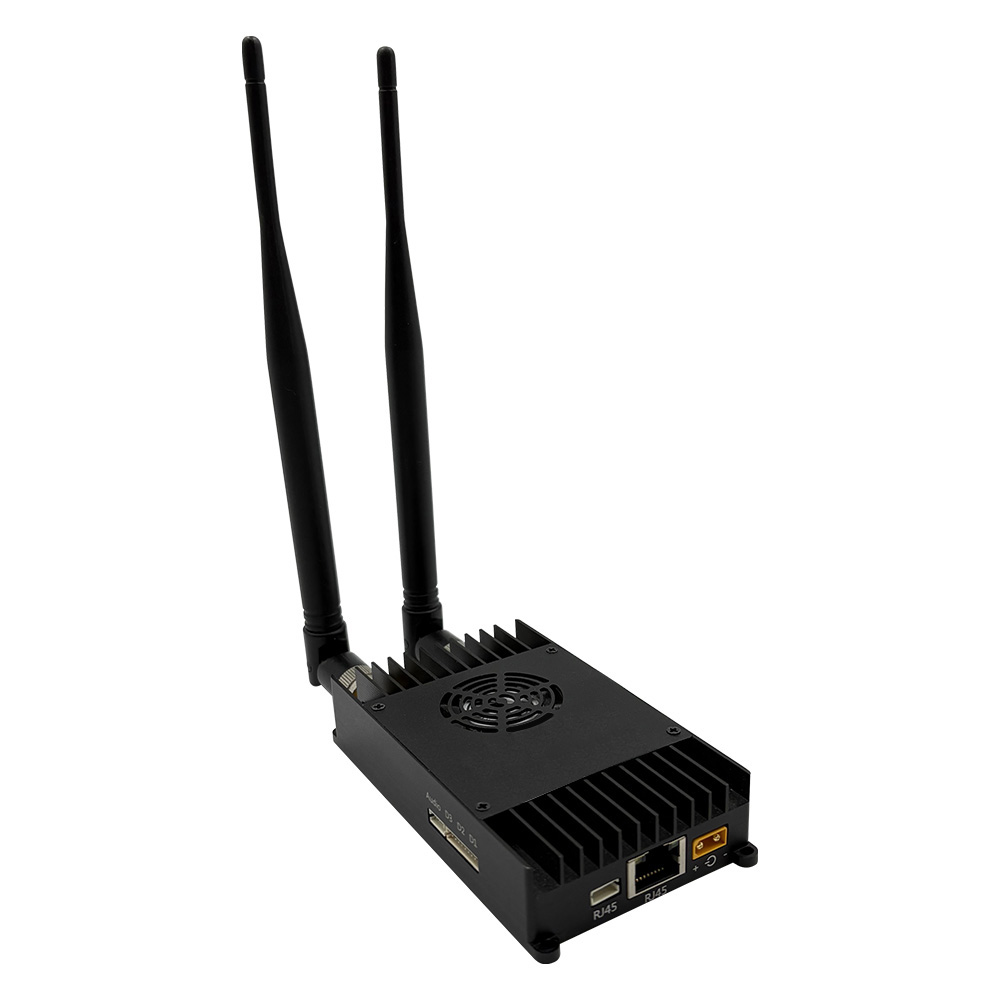
With the widespread use of UAVs (Unmanned Aerial Vehicles) in logistics, surveying, and emergency response, efficient data transmission has become a critical requirement. UAV Data Transmission Stations are gradually becoming an essential component of the UAV ecosystem. Through reliable Point-to-Point Wireless Networks, UAVs can transmit collected data in real time to ground control centers, ensuring accuracy and operational efficiency.
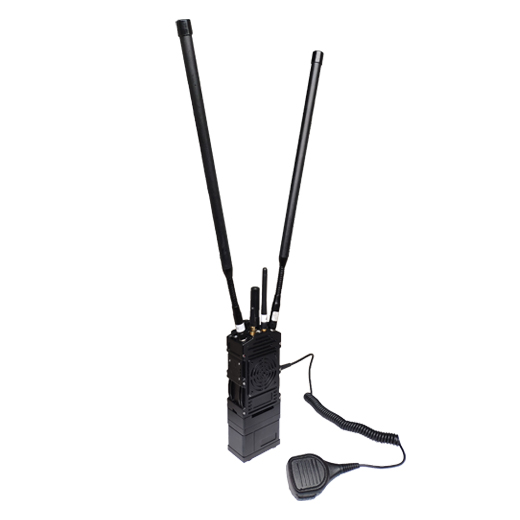
In modern communication networks, the development of IP Mesh and Mesh Radio Network technologies provides more flexible and stable solutions for UAV data transmission. IP Mesh networks allow self-organizing capabilities, enabling nodes to automatically establish communication links without fixed topologies, which improves network reliability. Mesh Radio Networks, on the other hand, use multi-hop forwarding and dynamic routing to extend coverage, ensuring stable data transmission even in complex environments.
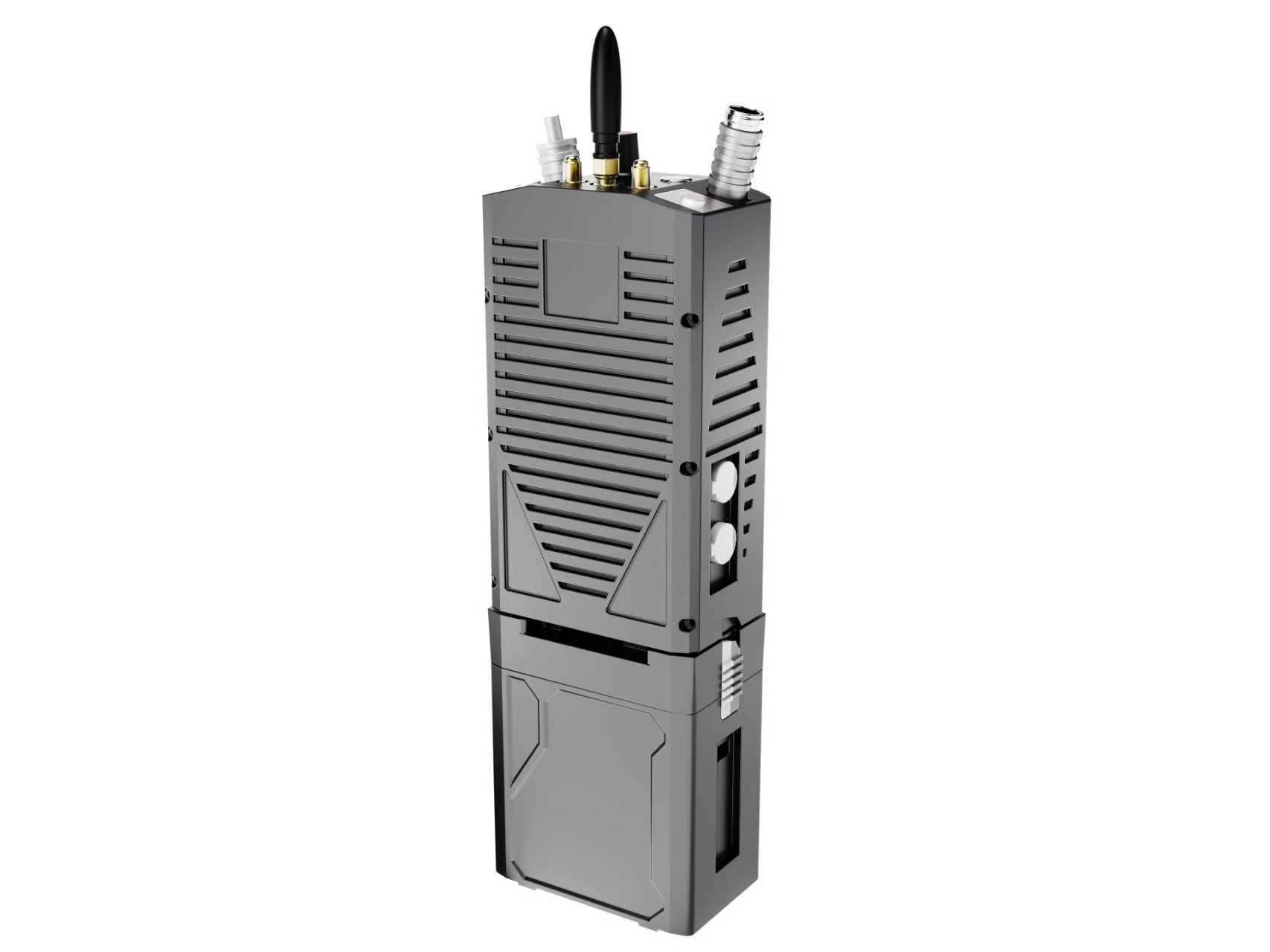
For long-distance transmission requirements, Point-to-Point Wireless Links and Point-to-Point Internet technologies offer stable communication capabilities. Combined with the four major types of microwave transmission—including linear, point-to-point, point-to-multipoint, and satellite microwave transmission—network deployments can be optimized for different scenarios, meeting UAV real-time data transmission and large-scale monitoring needs.
In summary, as UAV applications diversify, data transmission systems based on point-to-point wireless networks, IP Mesh, and Mesh Radio Networks are becoming industry standards, enhancing UAV data processing efficiency and mission execution capability.
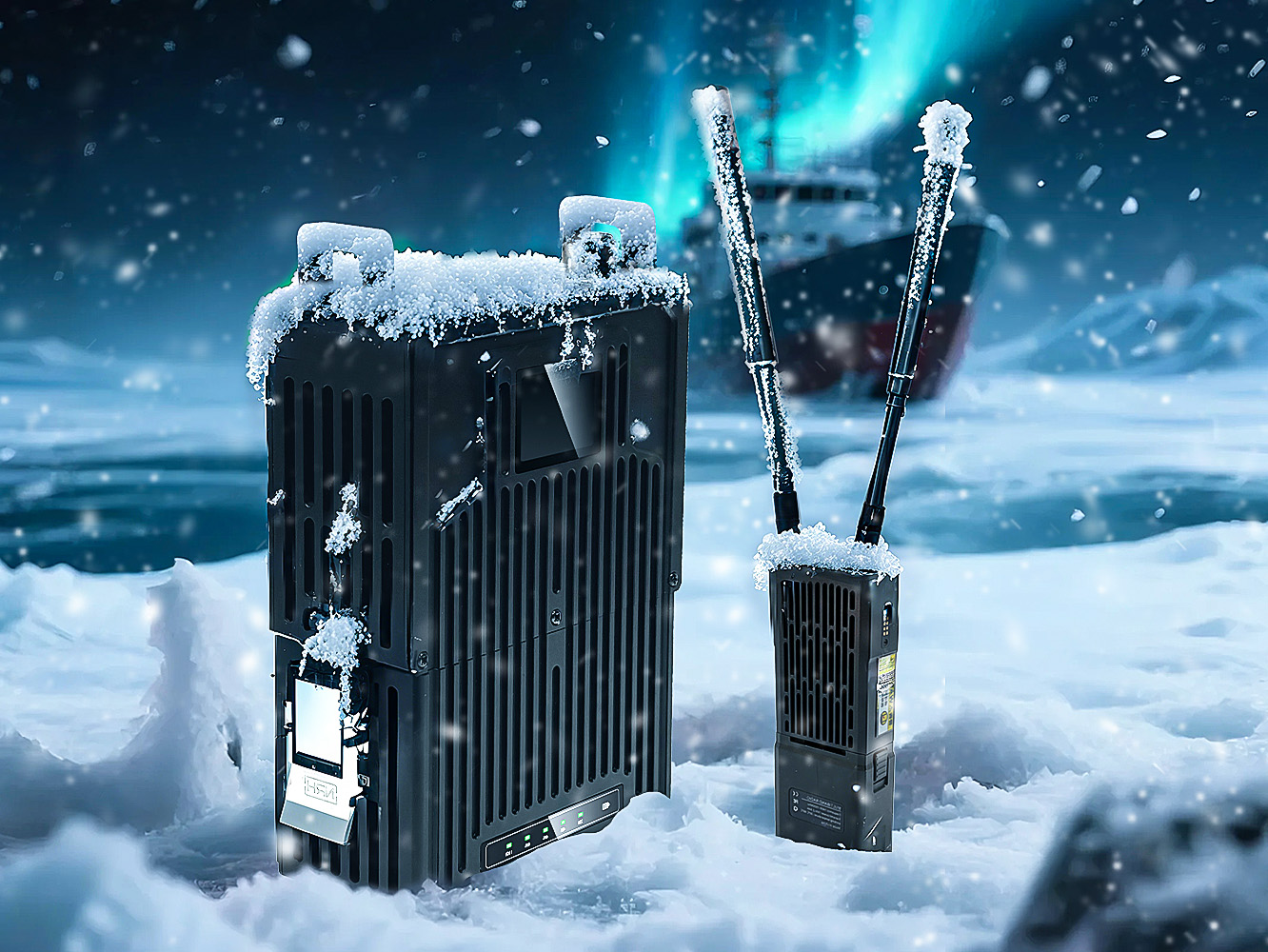
TuQian is dedicated to the precision manufacturing of military communication equipment, safeguarding national communication security through rigorous engineering and craftsmanship. From material selection and precision machining to environmental adaptability testing and secure production management, every stage of manufacturing is strictly controlled in accordance with military standards to ensure stable operation even in extreme environments.
TuQian products are widely applied across sectors such as emergency response, firefighting, maritime operations, civil defense, public security, power systems, water conservancy, and aerospace.
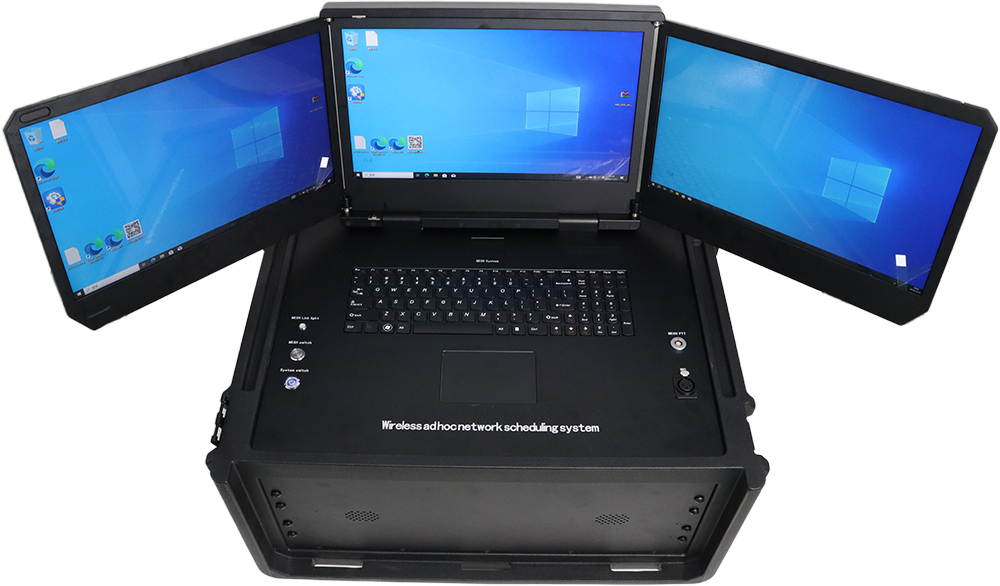
The solutions support broadband communication interconnection across multiple platforms, including personnel (dismounted units), vehicles (manned and unmanned), aerial platforms (manned aircraft, unmanned aerial vehicles, and unmanned aerostats), and surface platforms (unmanned surface vessels, manned ships, and floating platforms). This enables the establishment of integrated air, land, and sea data links, combined with backend visualization, command, and dispatch systems.
Looking ahead, TuQian will continue to advance communication technologies through innovation-driven development, supporting the construction of a safer and more intelligent national defense communication system, and positioning itself as a reliable shield for protecting the information domain.