

IP Mesh vs Traditional Wireless Network: What’s the Difference?
2025-10-28


Western Easter, a day symbolizing resurrection and rebirth, brought death to Sri Lanka instead!
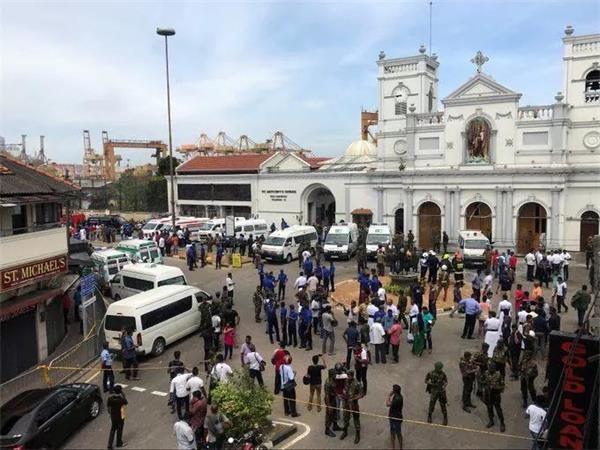
On April 21st, eight explosions occurred in the capital of Sri Lanka, ranging from churches to upscale hotels. As of the time of this report, according to CCTV, the death toll has risen to 290, including two Chinese nationals, and about 500 people were injured. The number of explosion sites, the density of the incidents, and the severity of the casualties have caused global shock. Among the eight explosions, two were suspected to be suicide bomb attacks. Currently, the Sri Lankan government has suspended all military flights within the country, imposed a curfew, and also shut down social media and communication services. The Sri Lankan Defense Minister stated that the perpetrators were religious extremists. On March 6th, the country had declared a 10-day state of emergency.
In times of peace, large-scale wars have become extremely rare. Nowadays, the greatest threat to people's lives is the unpredictable terrorist attacks. The "9·11" incident that occurred in the United States in 2001 has passed 18 years, but its psychological impact on people still lingers. For such terrorist attacks targeting the general public, the key lies in preventing them from happening in the first place and firmly suppressing them at the bud stage. However, once they occur, how to handle and deal with them within the shortest time is also a test of a government's emergency response capability.
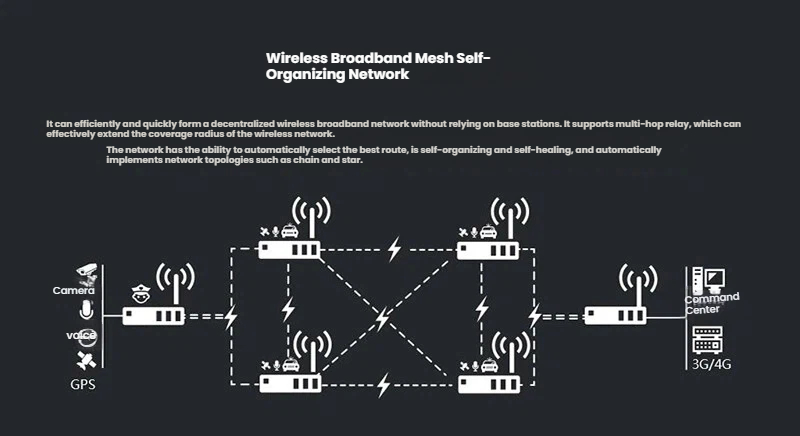
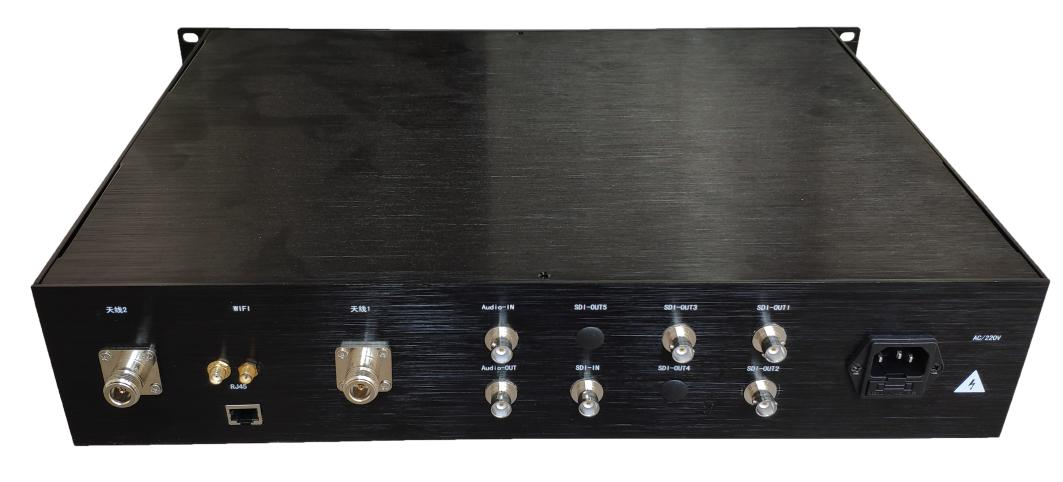
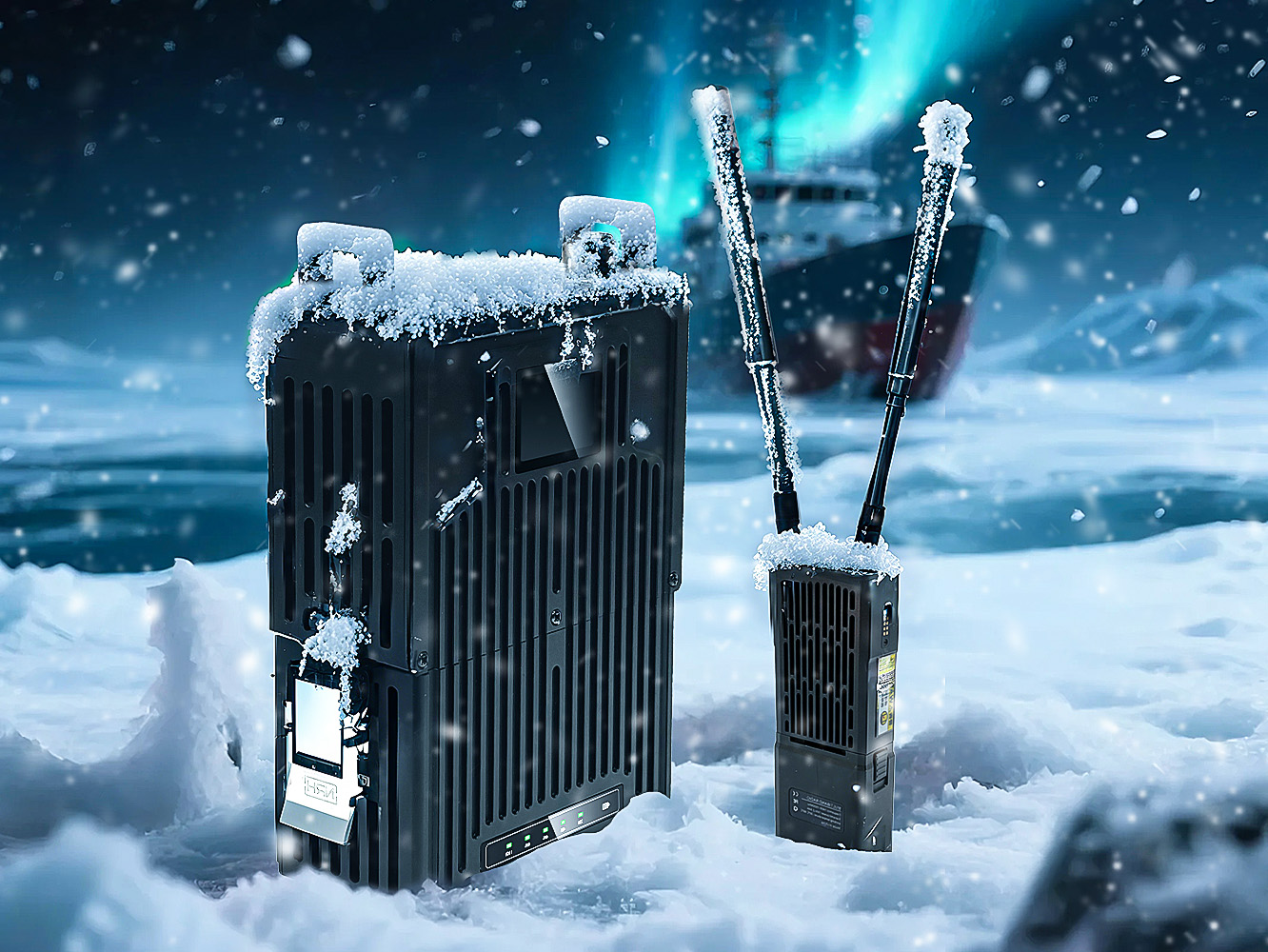
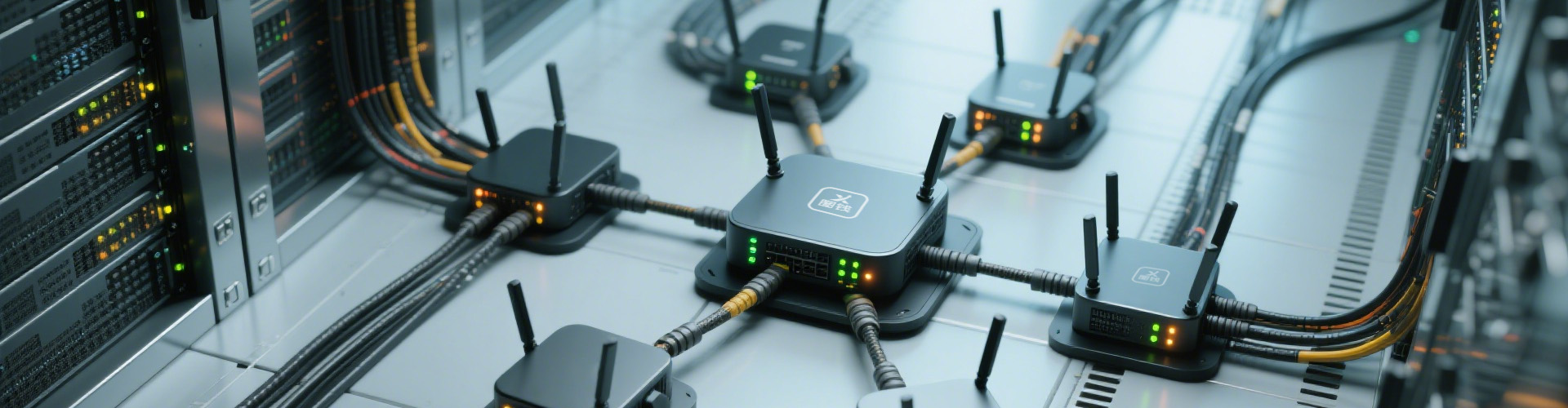
After a disaster occurs, being able to reach the scene immediately, go deep into the frontline, and promptly transmit the on-site situation back to the emergency anti-terrorism command center will play a crucial role in handling the disaster. Usually, after a terrorist attack occurs at the scene, the original public power supply, communication facilities, etc. have been damaged. In most cases, buildings are damaged or collapsed, and roads may be blocked. Under such circumstances, an intelligent self-organizing wireless communication device is needed to solve the wireless communication problems at the scene. Our company's latest developed MESH intelligent self-organizing wireless communication device can meet the above requirements. This device is developed based on COFDM technology and MESH multi-hop self-organizing network technology, and realizes the free networking of different product forms. This can enable users to quickly build a reliable wireless link in complex environments and provide rapid and flexible solutions for various business needs (such as: high-definition video, voice intercom, and IP data transmission, etc.). The broadband self-organizing radio station with an intelligent self-organizing network (Mesh) that can self-organize, adapt, and self-heal is the best choice for point-to-point, point-to-multipoint or multi-to-multi-point comprehensive business communication.
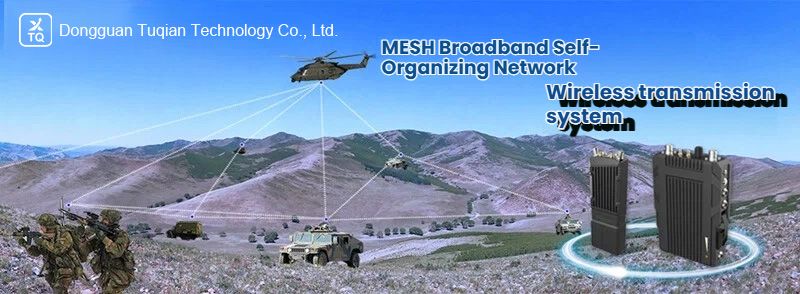
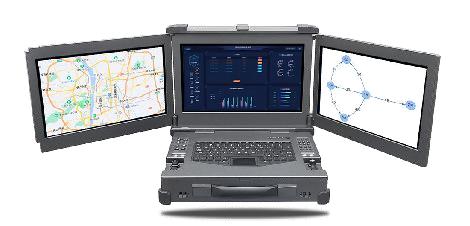
The Mesh radio enables dynamic routing and multi-hop relay for high-definition video, multi-channel data and high-fidelity voice communication between different nodes within the same network under complex application scenarios such as rapid movement, non-line-of-sight obstructions and environmental interference. It features a fully IP-based design, flexible installation and use, and convenient operation and maintenance. It can provide various frequency band customization, expand WIFI, GPS, 3G/4G functions, and support integrated communication requirements. It can be flexibly applied in military communication dedicated networks, public security dedicated networks, emergency communication dedicated networks, industry information dedicated networks, regional broadband dedicated networks, wireless monitoring networks, collaborative management networks, and intelligent transmission networks, etc. It provides stable, reliable, and efficient high-definition video, multi-channel data, clear voice, and visualized command and dispatch for military communication, counter-terrorism and emergency response, police law enforcement, security activities, rescue operations, fire command, forest fire prevention and monitoring, forest area monitoring, civil defense / earthquake, power inspection, digital oilfield, unmanned aircraft groups, fleet intercommunication, ship formation, maritime communication, airport ground support, subway emergency, highway construction, hydrological monitoring, mobile live broadcasting, medical care, and other fields.