

What Is an IP Mesh Radio and How Does It Work?
2025-10-24


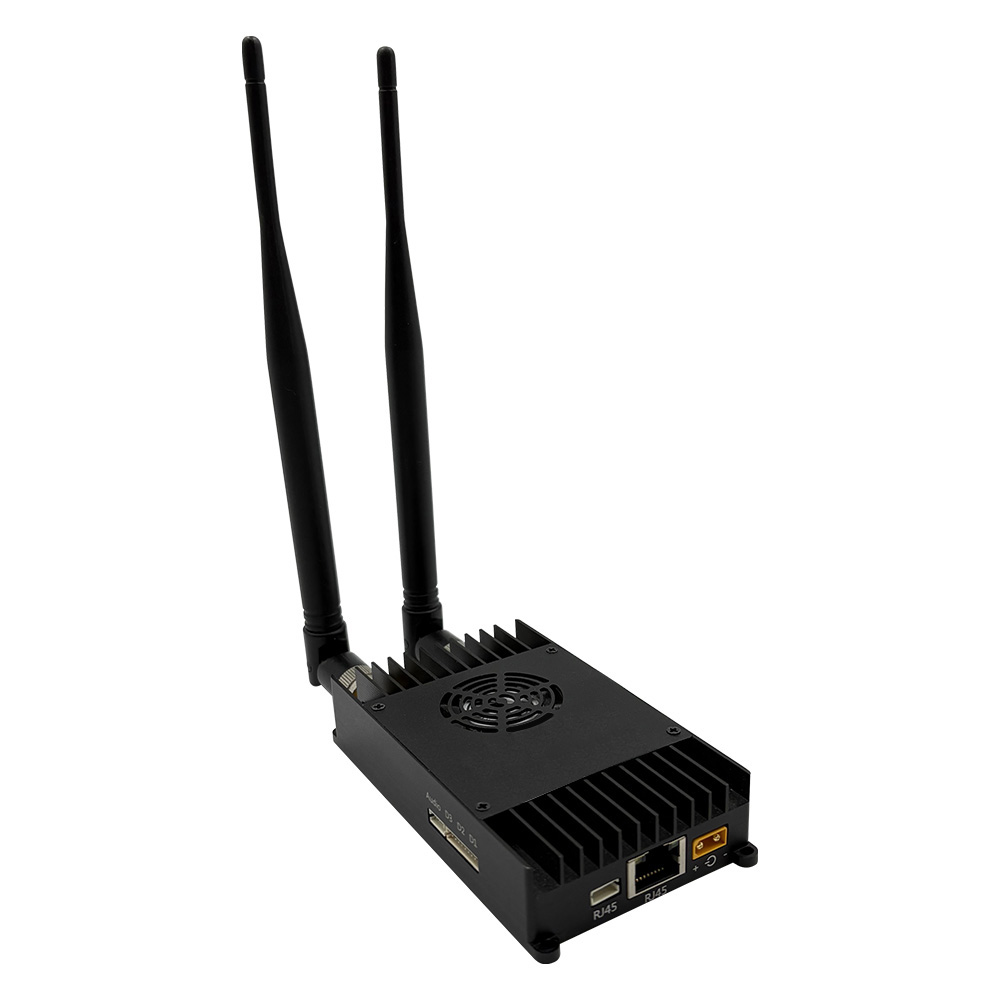
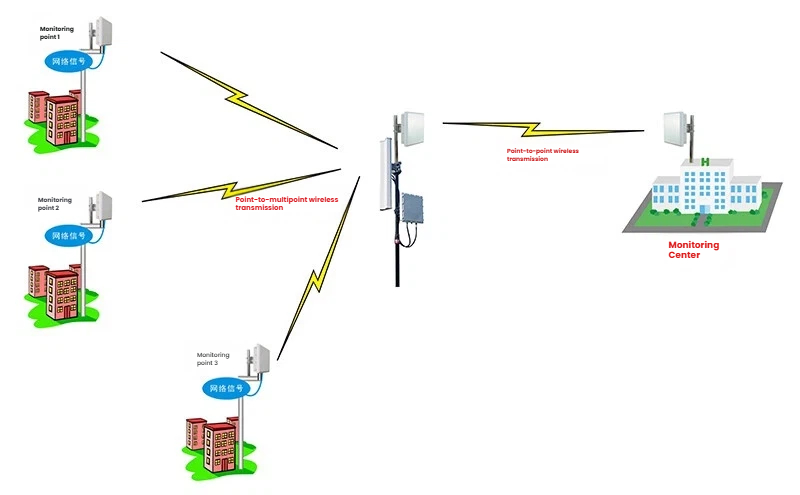
Wireless bridge, also known as CPE in some cases, is widely used in practical applications. It serves as a bridge for wireless networks and is commonly employed in security monitoring and other application scenarios. It is frequently utilized in wireless monitoring areas such as scenic parks, station squares, port terminals, forest fire prevention, elevator residential areas, tunnel construction sites, etc.
Then, under the increasing demand and influence of wireless monitoring, how to choose the wireless bridge to be used for wireless monitoring transmission has become a major problem for engineering users. There are all kinds of wireless bridges on the market, including imported and domestic ones, expensive and cheap ones, which leave users confused.
So, how should engineering users choose the appropriate wireless bridge?
1. Frequency band
Wireless bridges can be classified into 2.4GHz bridges and 5.8GHz bridges based on the frequency band. The two frequency bands have their own advantages and disadvantages. The 2.4GHz wireless bridge is the mainstream frequency band, with good compatibility and diffraction ability, but its anti-interference ability is relatively poor. The 5.8GHz frequency band is relatively pure, with better anti-interference ability, longer transmission distance, but poorer diffraction ability.
Users select the frequency band of the bridge based on the actual application scenario. For example, a 5.8GHz bridge is chosen for long-distance operations in the field, while a 2.4GHz bridge is selected for elevator monitoring. In some scenarios, the use of bridges with both frequency bands is necessary to achieve the best results.
2. Transmission rate
The transmission rate of wireless bridges also has various options. It ranges from 150Mbps to 900Mbps. Specific users can make their choices based on engineering requirements. For instance, if high-definition wireless video surveillance transmission is needed, then a wireless bridge with a higher transmission rate should be selected.
3. Antenna
The antennas of wireless bridges also come in different types, such as omnidirectional antennas and directional antennas. The gain of the antenna is closely related to the transmission performance of the wireless bridge. Users with long-distance transmission requirements should choose a wireless bridge with higher gain and better performance to ensure the transmission.
4. Power supply mode
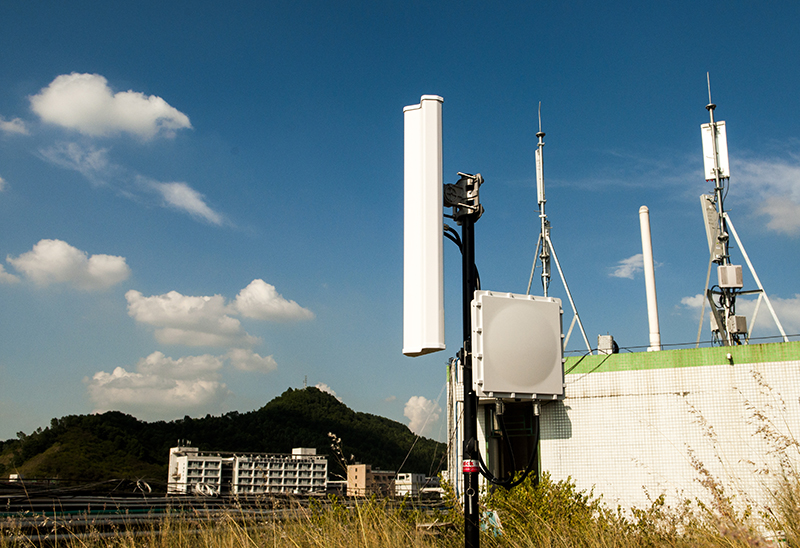
The working environment of wireless bridges usually involves some complex outdoor conditions, such as forests, ports, tunnels, etc. Therefore, power supply is a rather troublesome issue. Choosing a wireless bridge that supports POE power supply lines can effectively solve this problem.
5. Performance stability
Like all wireless network devices, the performance stability of a wireless bridge is also of great importance. If the bridge experiences lag, packet loss, and disconnections from time to time, it is impossible to establish a reliable and stable monitoring transmission.
The stability of the wireless bridge is directly related to the product hardware, including the chip motherboard, components, etc. Of course, the installation of the bridge is also very important. Only when the installation is done properly can the performance of the bridge operate normally and stably.
6. Transmission distance
Users purchase wireless bridges for monitoring projects, and the target transmission distances vary. The distance for the nearer ones is 3 to 5 kilometers, while for the farther ones it ranges from 50 to 100 kilometers. Users should choose the appropriate wireless bridge based on the target transmission distance of their own projects.
The wireless bridge of Guancheng Technology Company has been tested in over a thousand engineering projects and has high stability. It is widely used in various environments such as construction sites, mining areas, tunnels, mountainous regions, uninhabited areas, rivers, scenic spots, oil fields, etc. Where it is inconvenient to lay cables but the transmission of network signals, monitoring signals or other multimedia signals is necessary, such as temporary work sites - large event venues, exhibition centers, construction sites, disaster site rescue and other temporary office locations for office work, monitoring and information transmission. Places where the environment frequently changes - such as military exercises, construction sites, road and bridge construction, etc. that require monitoring. Welcome to call for consultation!