

What is meant by lightning protection grade?
2025-11-08


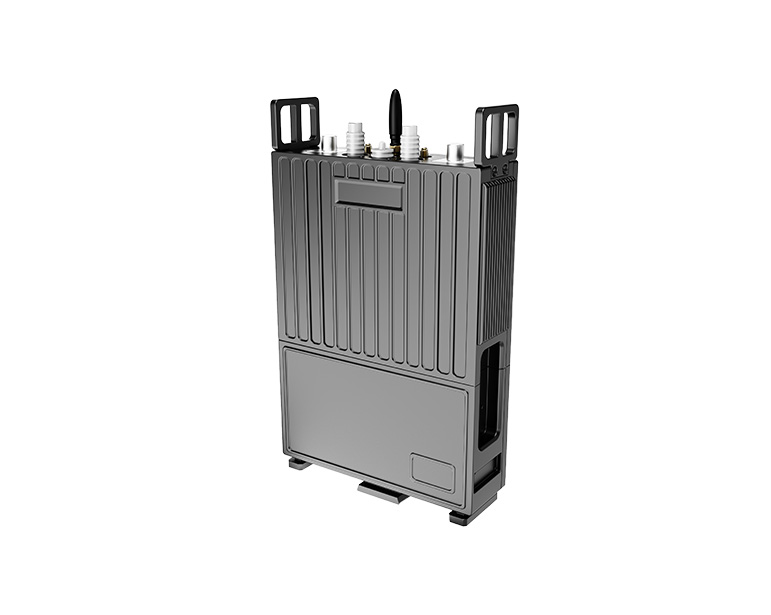
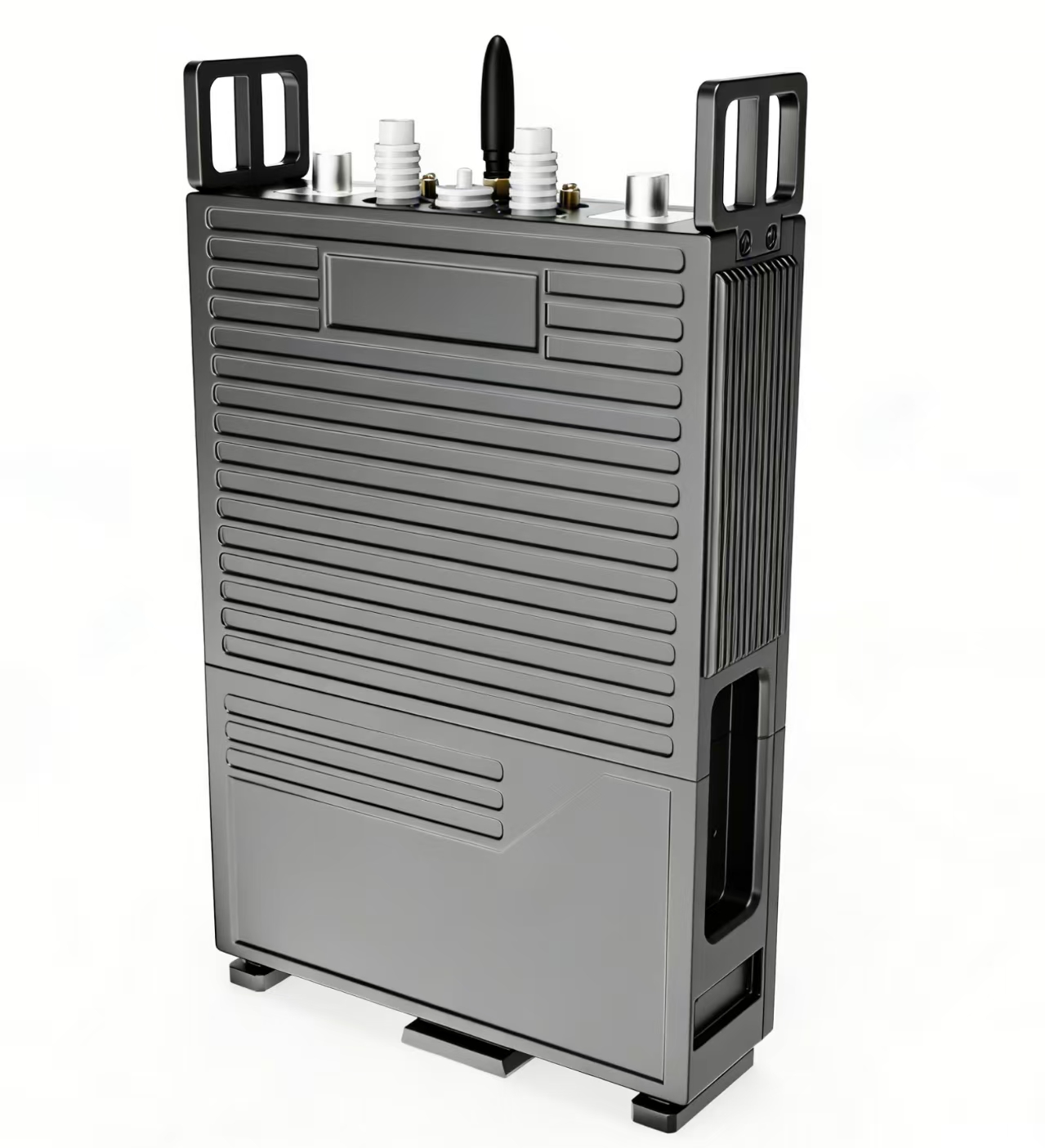
In emergency rescue scenarios, the demand for "rapid deployment, portability and full-function" communication equipment is extremely urgent. Traditional emergency communication equipment is often large in size, cumbersome to deploy and inconvenient to carry, which is difficult to adapt to the needs of rapid emergency rescue. In 2026, portable emergency communication terminals ushered in rapid development, becoming new market highlights. Products such as Portable Emergency Communication Terminal and Miniature Emergency Radio, with the core advantages of miniaturization, integration and rapid deployment, have been widely used in various emergency rescue scenarios, leading the development of the portable emergency communication market, and providing more convenient and reliable communication guarantee for emergency rescue. The following details the development status of portable emergency communication terminals from three aspects: product core characteristics, application scenarios and industry development trends:
1.Product Core Characteristics: Miniaturization, Integration and Rapid Deployment to Adapt to Emergency Scenarios. The core advantage of portable emergency communication terminals lies in adapting to the needs of rapid emergency rescue, with three prominent characteristics: first, miniaturization design, adopting lightweight and compact structural design, the volume is reduced by 40% compared with traditional emergency communication equipment, and the weight is less than 1kg, which can be carried by a single person or put into a backpack, convenient for rescuers to carry in complex rescue scenarios such as mountains and ruins; second, multi-functional integration, integrating emergency communication, positioning, emergency call, data transmission and other functions, realizing "one machine with multiple functions", which can replace multiple traditional emergency communication equipment, reducing the burden of rescuers carrying equipment, and at the same time supporting multi-terminal linkage, realizing communication between rescuers and the command center; third, rapid deployment, adopting plug-and-play design, no need for complex installation and commissioning, it can be put into use within 5 minutes, solving the problem of cumbersome deployment of traditional emergency communication equipment, and adapting to the needs of rapid emergency rescue.
2.Application Scenarios: Covering Multi-emergency Rescue Scenarios to Provide Rapid Communication Support. Portable emergency communication terminals are widely used in various emergency rescue scenarios, providing rapid communication support for emergency rescue work: first, sudden disaster rescue scenarios, such as earthquakes, floods, typhoons and other sudden natural disasters, in which communication infrastructure is damaged, Portable Emergency Communication Terminal and Miniature Emergency Radio can be quickly deployed to form a temporary emergency communication network, realizing communication between rescuers and the command center, ensuring rapid transmission of rescue instructions and improving rescue efficiency; second, urban emergency scenarios, such as urban fire, traffic accidents, public health emergencies, etc., portable emergency communication terminals can be quickly carried to the scene by rescuers, realizing real-time communication between the scene and the command center, coordinating emergency disposal work; third, outdoor emergency scenarios, such as mountain rescue, outdoor adventure, field emergency, etc., portable emergency communication terminals can adapt to complex outdoor terrain, provide stable short-distance and long-distance communication, and support emergency call functions, helping rescuers ask for help in time; fourth, grassroots emergency scenarios, used by grassroots emergency rescue teams in towns and communities, realizing rapid response to small emergencies, improving the grassroots emergency disposal capacity.
3.Industry Development Trends: Miniaturization Upgrading and Function Diversification to Meet Diversified Needs. In the future, the portable emergency communication terminal industry will continue to upgrade around the needs of emergency rescue, showing three major trends: first, further miniaturization and lightweight, adopting new lightweight materials and integrated circuit design, further reducing the volume and weight of products, improving portability, and adapting to more complex emergency rescue scenarios; second, function diversification, adding more emergency rescue-related functions, such as video transmission, life detection linkage, emergency power supply, etc., enriching product functions, and meeting the diversified needs of emergency rescue scenarios; third, intelligence upgrading, integrating intelligent control and AI technology, realizing functions such as automatic fault diagnosis, intelligent frequency adjustment, and voice command, improving the convenience of use, and realizing remote monitoring and operation and maintenance of the terminal through the command center, further improving the efficiency of emergency rescue.
Conclusion:Portable emergency communication terminals have become new market highlights in the emergency communication industry, which is an inevitable result of adapting to the needs of rapid emergency rescue. Portable Emergency Communication Terminal and Miniature Emergency Radio, with their core characteristics of miniaturization, integration and rapid deployment, have solved the pain points of traditional emergency communication equipment, providing convenient and reliable communication support for various emergency rescue scenarios. The wide application of portable emergency communication terminals has promoted the upgrading of the emergency communication industry, improved the efficiency of emergency rescue, and protected people's lives and property safety. In the future, with the continuous upgrading of emergency rescue needs, portable emergency communication terminals will further realize miniaturization, intelligence and function diversification, the market demand will continue to rise, and become a core force in the emergency communication industry.
TuQian is a leading professional manufacturer of wireless communication and transmission systems, specializing in advanced IP Mesh radios tailored for military, industrial and emergency response applications.
Our IP Mesh radios boast the following core strengths:
High-speed, ultra-low-latency transmission for both data and HD video
Self-organizing, self-healing network architecture, ideal for dynamic mobile operations
Ruggedized, field-proven design that excels in harsh environments
Flexible frequency band options (2.4 GHz, 5.8 GHz, plus custom solutions)
Seamless multi-node communication, supporting integrated connections for UAVs, vehicles and ground stations
Powered by robust in-house R&D and validated real-world performance, TuQian’s IP Mesh radios empower organizations to deploy reliable, flexible and intelligent wireless communication networks anytime, anywhere.