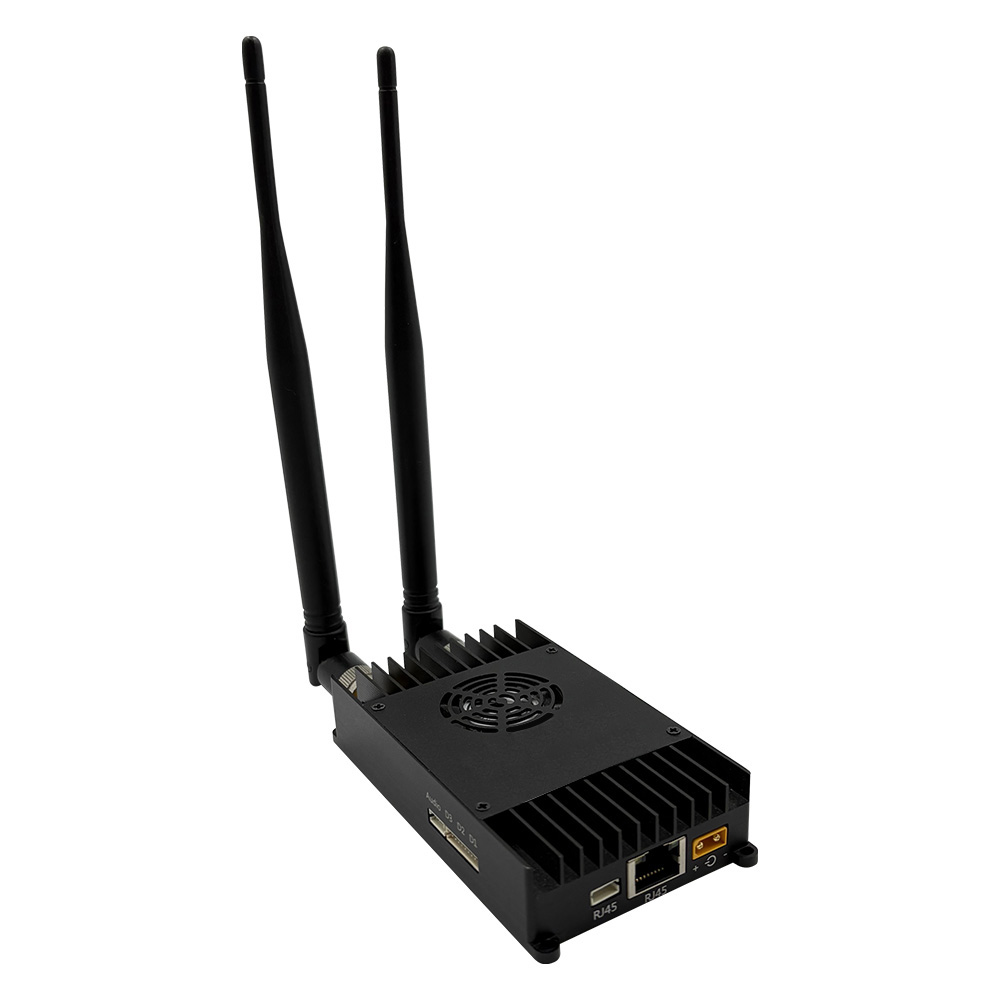


What Is an IP Mesh Radio and How Does It Work?
2025-10-24


As global digital infrastructure accelerates—from smart cities to industrial IoT, from public safety networks to large-scale energy systems—industries are demanding communication networks that are stable, high-bandwidth, low-latency, and scalable. However, in many environments such as mountains, mining areas, ports, open fields, emergency sites, and cross-region deployments, traditional fiber installation is costly, slow, or even impractical.
This is why the new generation of professional wireless transmission solutions—represented by the Carrier-Grade High Bandwidth Series—is becoming one of the key technology trends. Designed for mission-critical, industrial-grade, and government-level applications, these systems not only enhance communication efficiency but are also reshaping the technological landscape of the wireless communication market.
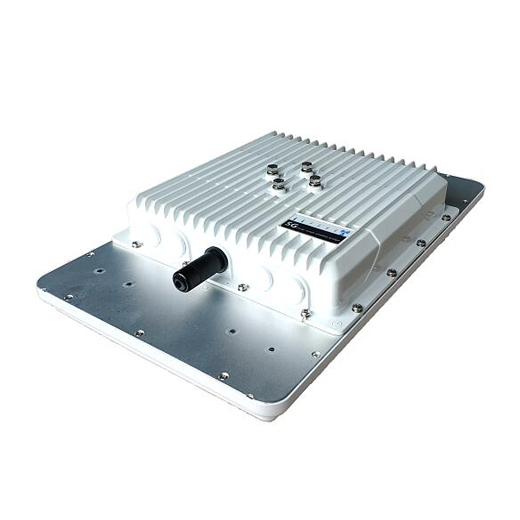
1. The Industry Is Entering a Critical Shift Toward High-Bandwidth Wireless Connectivity
In the past decade, enterprises and government agencies relied heavily on fiber networks for high-capacity data transmission. Today, the industry is rapidly transitioning toward carrier-grade wireless systems due to several driving forces:
1. Explosive Growth of Data Demands Beyond Traditional Network Capacity
Widespread adoption of HD/4K/8K video surveillance
Massive real-time sensor data
Intelligent transportation and V2X generating huge data volumes
Rapid expansion of UAV and unmanned system video transmission
Both urban management and industrial operations now depend heavily on high-bandwidth communication links.
2. Fiber Installation Costs and Timelines Are No Longer Sustainable
Harsh terrains—mountains, mines, oilfields, coastlines—create extremely high fiber deployment costs
Constant upgrades to city road pipelines increase maintenance overhead
Many projects require “same-day deployment and immediate availability”
Professional wireless systems are therefore being redefined in value.
3. Emerging Industries Require Highly Elastic and On-Demand Networks
Emergency response
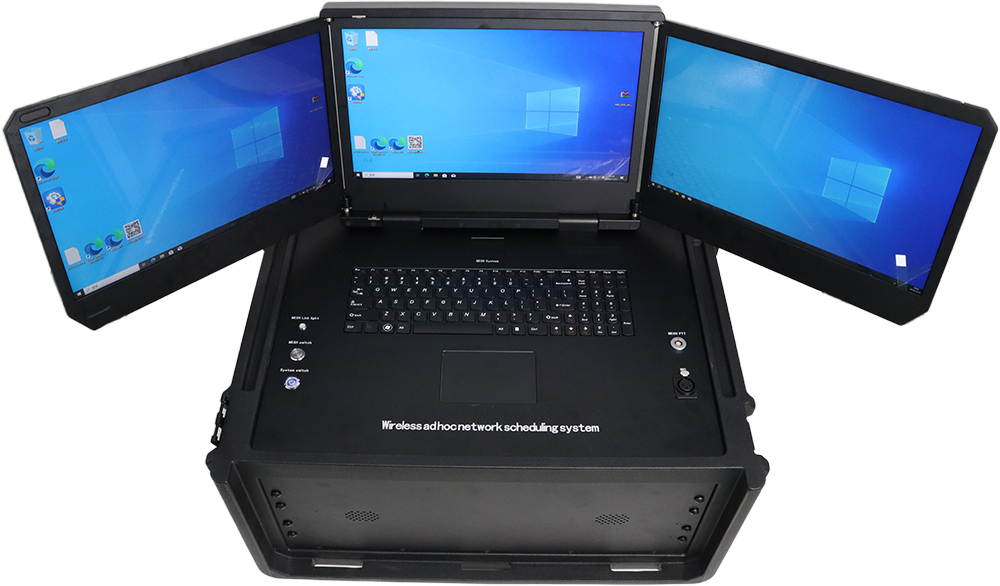
Mobile command vehicles
Temporary events, construction sites
UAV relay networks and multi-node collaboration
Wireless networks allow rapid setup, fast expansion, and flexible relocation.
2. The Rising Market Value of the Carrier-Grade High Bandwidth Series
The Carrier-Grade High Bandwidth Series is not an ordinary wireless device. It is engineered for high performance, mission-critical reliability, and industrial-grade stability. Its growing industry adoption comes from several key strengths:
1. Near Fiber-Level Bandwidth Capabilities
Multi-channel and multi-RF architecture
Carrier aggregation technologies
Supports hundreds of Mbps to gigabit-class throughput
This enables many fiber-dependent scenarios to shift to wireless.
2. Low Latency and High Stability for Mission-Critical Tasks
Ideal for surveillance, traffic management, and continuous-operation systems
Real-time performance suitable for drones, robotics, and emergency dispatch
Strong anti-interference design for field environments
These systems guarantee stable transmission even under harsh conditions.
3. Long-Distance Backbone Connectivity
Supports point-to-point communication over several to tens of kilometers
Widely used in industrial parks, cross-district command centers, large-scale monitoring
It expands the geographical boundaries of wireless communication.
4. A True “Wireless Fiber” for Flexible Deployment
No cabling required
Short deployment cycle with low ongoing maintenance costs
Easily scalable based on business needs
Ideal for dynamic industries such as energy, emergency response, and maritime operations.
3. Global Trends Driving the Adoption of Carrier-Grade Wireless Systems
Over the past three years, demand for these systems has surged due to the following trends:
1. Smart Cities Enter the High-Bandwidth Phase
Massive upgrades to urban video networks
AI edge computing requiring real-time inputs
Traffic, security, fire control, and urban management generating continuous data
High-bandwidth wireless has become essential digital infrastructure.
2. Public Safety Demand for Real-Time, Full-Coverage Connectivity
Real-time body-cam data
Connected police vehicles
Large-scale urban monitoring node aggregation
“One-vehicle-one-network”
4. Key Application Scenarios: Rapid Global Adoption
1. High-Speed Surveillance Backbone Links
City arterial roads
Port/airport HD backhaul
Cross-region industrial campuses
2. Dedicated Wireless Backbone for Military, Police & Emergency Communications
Vehicle-mounted command systems
Drone-to-ground coordination
Rapid-deployment emergency networks
3. Industrial Cross-Zone Connectivity & High-Bandwidth Backhaul
Oilfields
Mining sites
Offshore platforms
Hydropower infrastructure
4. Fiber Replacement in Hard-to-Reach Areas
Remote villages
Mountain forestry surveillance
Border patrol
5. (TuQian) Carrier-Grade Advantages
As a professional provider of long-distance wireless communication solutions, UltraXel’s Carrier-Grade High Bandwidth Series offers:
1. High Bandwidth, Long Range, Low Latency
Meeting both operator-level and mission-critical requirements.
2. Multi-Layer Protection and Industrial-Grade Design
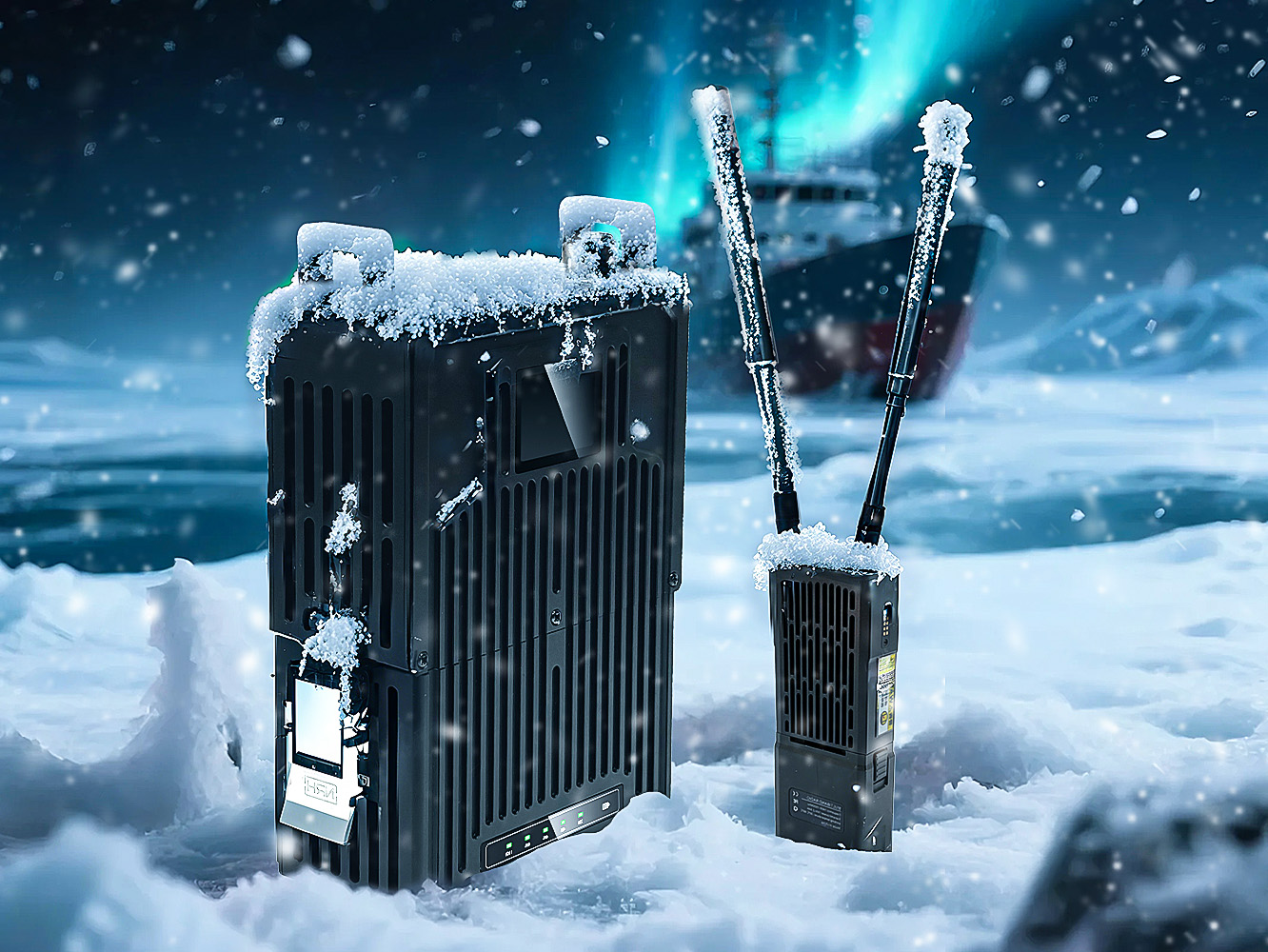
Built for harsh environments—high temperature, strong winds, humidity, and corrosion.
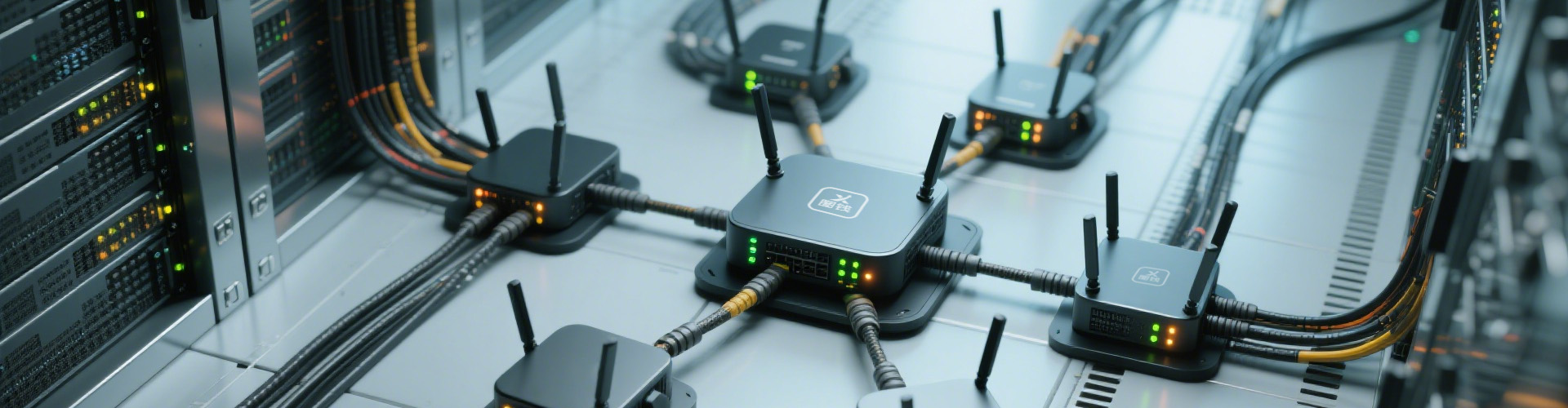
3. Multi-Node Backhaul and Large-Scale Networking Support
Suitable for city-level monitoring backbones and industrial deployments.
4. Engineered for Critical Missions
Ensures reliability in public safety, industrial operations, and emergency response.
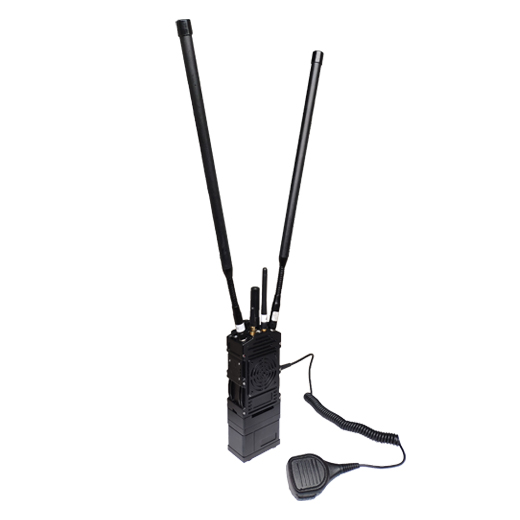
5. Compatible with IP Mesh Networking
Enhances mobility support and dynamic topologies.
tuqian has delivered high-reliability wireless backbone networks across multiple sectors, becoming a long-term communication partner for government and enterprise clients.
Conclusion: Carrier-Grade Wireless Will Define the Next Era of Connectivity
With global digitalization accelerating, unmanned systems expanding, and industrial intelligence deepening, Carrier-Grade High Bandwidth wireless systems are becoming mainstream.
They are not just a supplement to fiber—they are the core capability for future mobile, distributed, and high-performance networks.
TuQian’s long-distance communication systems are trusted across defense, emergency response, industrial monitoring, and broadcast industries.By combining innovation with field-tested reliability, TuQian empowers organizations to stay connected—anytime, anywhere.