

What Is an IP Mesh Radio and How Does It Work?
2025-10-24


As digital transformation accelerates across all industries, communication systems are rapidly evolving from “supporting tools” into core productive assets. In key verticals such as energy, power grids, public safety, transportation, and industrial operations, stable, high-power, long-distance wireless communication is becoming an essential part of infrastructure development.
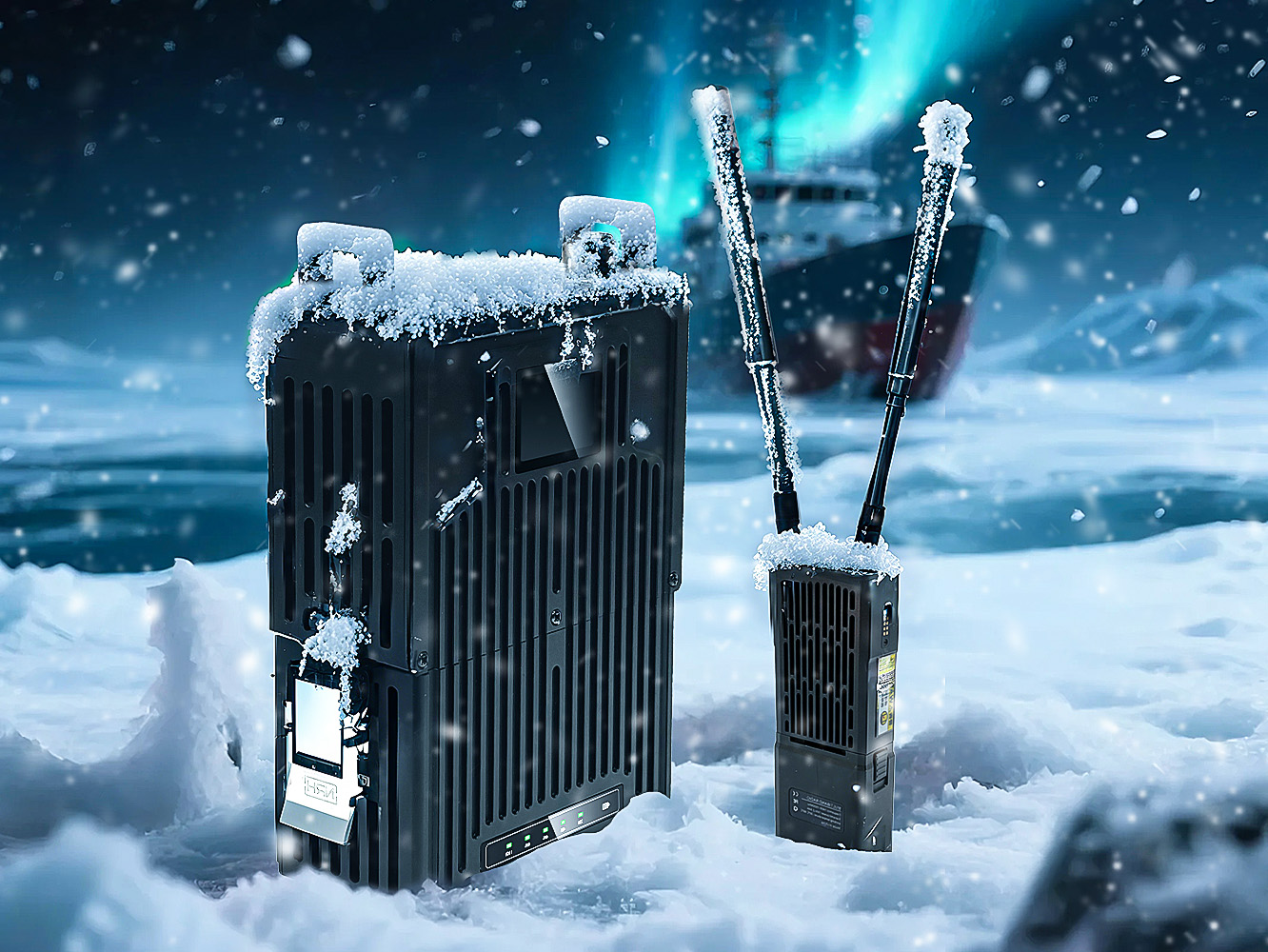
Against this backdrop, the Base Station Type Telecommunication Series is emerging as a critical component in industry-level network deployments. Designed to provide wide-area coverage, high reliability, and large-capacity connectivity, these systems excel in cross-region networking and high-reliability backhaul in complex environments.
This article provides an in-depth analysis of how base-station-type long-distance communication systems are reshaping communication models across industries.
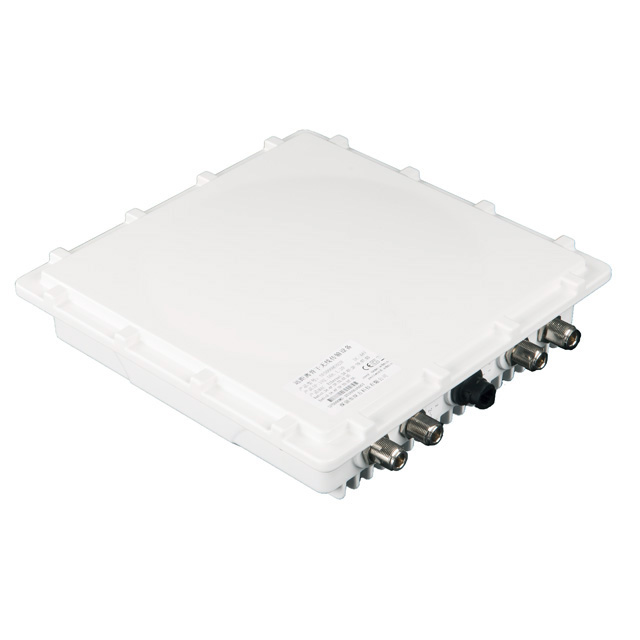
1. Energy Sector: A Reliable Lifeline for Distributed and Unmanned Sites
Energy sectors such as oil & gas, electricity, and water resources operate across vast geographic areas—often in mountains, deserts, coastal zones, or remote regions. Fiber deployment is costly and time-consuming, whereas base-station-type long-distance systems utilize high-power directional wireless and multi-point topologies to achieve real-time communication over tens of kilometers.
Application value includes:
• Real-time SCADA data transmission
Supports remote monitoring and automated operations.
• HD video inspection
Stable 4K video backhaul enables clear visualization of site conditions.
• Safety alerts for unmanned sites
Sensor alarms and edge-AI results are transmitted instantly to the control center.
This communication model significantly reduces inspection costs and enhances security, becoming a core element of digital transformation in the energy sector.
2. Smart Transportation: “Wireless Fiber” for Cross-Region Roadway Connectivity
Transportation networks span highways, bridges, coastal routes, and urban expressways—areas where fiber deployment is often impractical.
The Base Station Type Telecommunication Series enables the transportation sector to achieve:
1. Real-time Intelligent Highway Monitoring
Traffic flow analytics
Incident detection
Emergency video backhaul
High-bandwidth wireless links maintain stable connectivity over distances of ten kilometers or more.
2. V2X Auxiliary Communication
Base-station-type equipment can be deployed as roadside units to support vehicle-road collaboration systems.
3. Communication Across Special Road Sections
Bridges, tunnel entrances, and mountainous roadways can be interconnected through wireless base stations.
For transportation authorities, such wireless systems are becoming foundational components of smart transportation infrastructure.
3. Emergency Response and Disaster Relief: Rapid, Wide-Coverage, and Mobile Communication
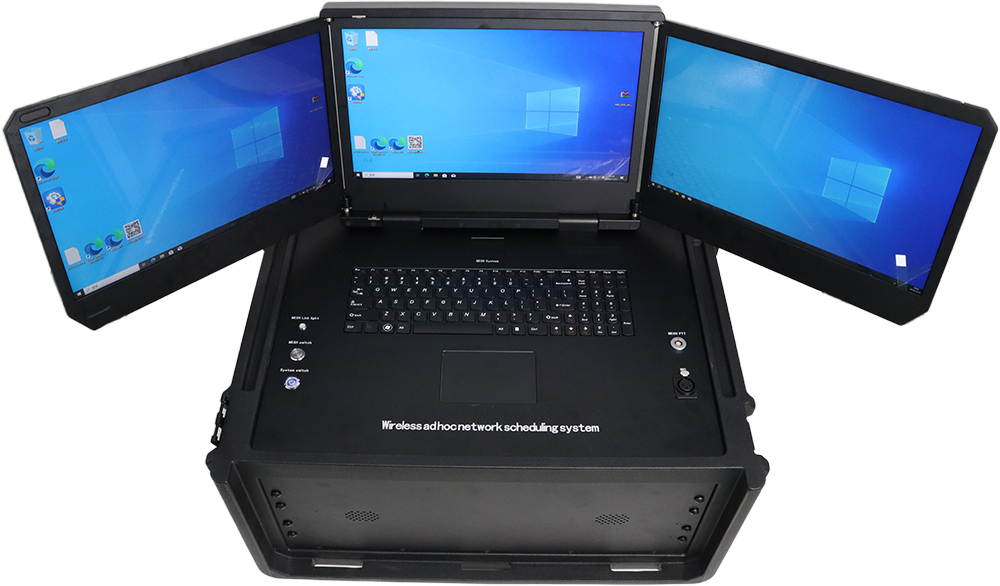
During earthquakes, floods, landslides, fires, and other emergencies, traditional communication systems often fail or cannot be restored quickly. Emergency agencies require equipment that instantly brings a network online.
Base-station-type systems provide key advantages:
1. Instant Deployment
No towers, no fiber—simply deploy the base station on site to establish a local network.
2. Large-Area Coverage
High-power wireless signals create a communication radius supporting:
Multi-point communication
Video backhaul
Command center dispatch
3. Multi-Hop and Mesh Networking
Multiple emergency nodes autonomously form a temporary communication network. Even if some nodes are damaged, the network remains operational through self-healing mechanisms.
This makes the system indispensable for fire departments, rescue units, and emergency management agencies.
4. Smart Industry & Mining: A Stable Communication Hub in Harsh Environments
Mining zones, ports, chemical parks, and other industrial sites have:
Complex terrain
Strong electromagnetic interference
Harsh environmental conditions
Large-scale cross-zone operational demands
Base-station-type communication systems, powered by high-gain antennas and industrial-grade design, stably support:
Remote control of heavy machinery (e.g., unmanned mining trucks)
Real-time production line data transmission
Security monitoring & personnel positioning
Real-time upload of AI analytics
These environments require strong anti-interference performance and long-term stability, making base-station-type wireless equipment a fundamental part of smart industrial infrastructure.
5、(TuQian) — A Trusted Partner for Industry-Level Long-Distance Communication
With years of expertise in long-distance communication technology, UltraXel (TuQian) has become a leading provider of wireless transmission and telecom-grade systems. Its Base Station Type Telecommunication Series is widely deployed across energy, transportation, industry, public safety, and emergency sectors, recognized as a core technology for industry-grade wireless networking.
Key advantages of (TuQian) include:
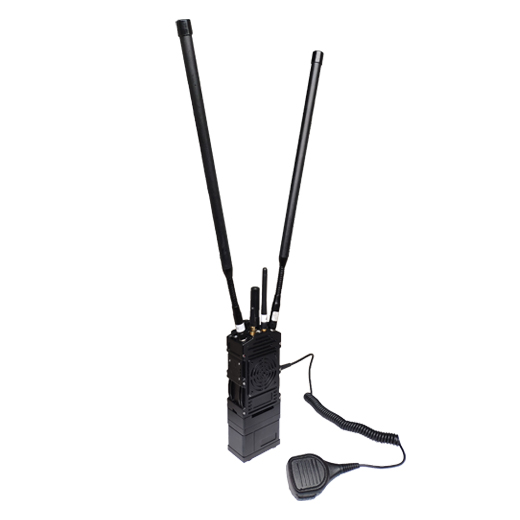
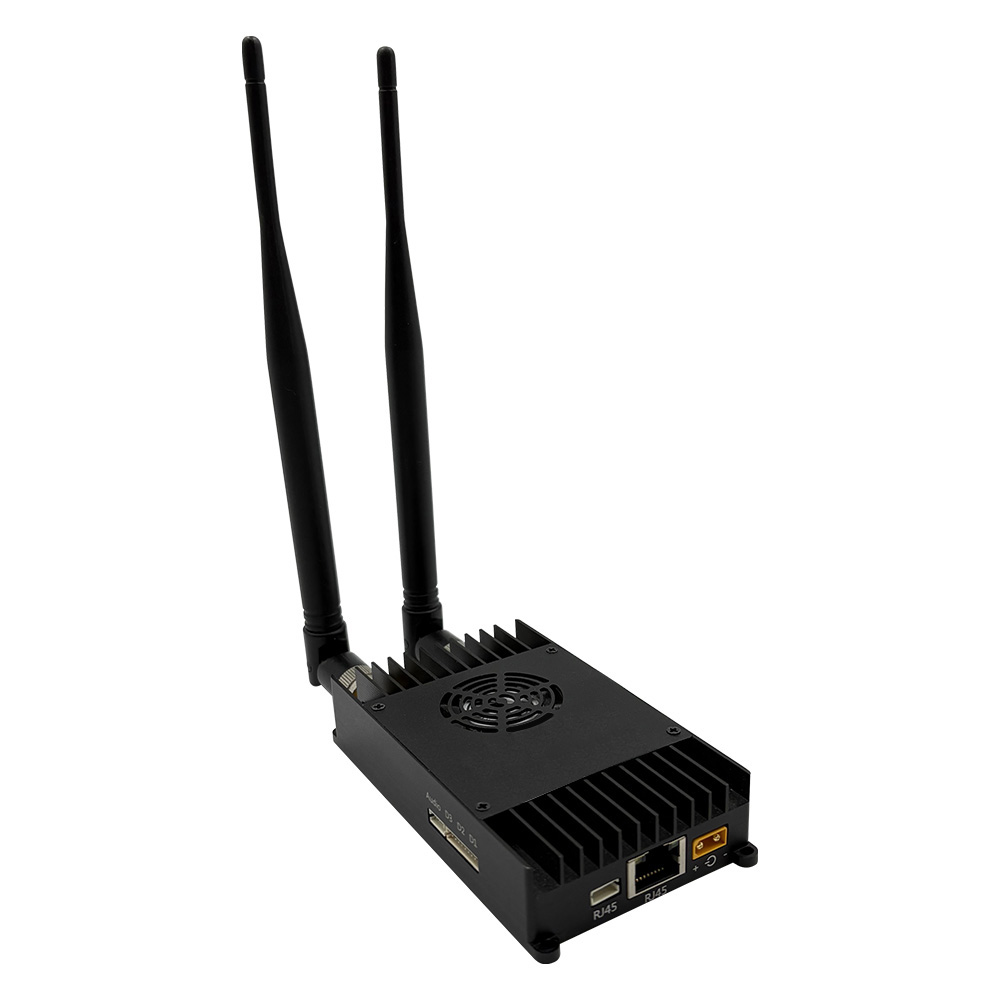
Advanced IP Mesh architecture: multi-service concurrency, stable links, low latency
Strong mesh & self-healing capability: ideal for mobility and temporary deployments
Multi-hop long-distance coverage: cross large zones without relying on fixed base stations
Industrial-grade ruggedness: resistant to heat, humidity, dust, and vibration
Multi-band support (2.4 GHz / 5.8 GHz / custom bands): compliant with global regulations
Flexible deployment: compatible with UAVs, vehicles, towers, and fixed platforms
TuQian’s long-distance communication systems are trusted across defense, emergency response, industrial monitoring, and broadcast industries.By combining innovation with field-tested reliability, TuQian empowers organizations to stay connected—anytime, anywhere.