

What is meant by lightning protection grade?
2025-11-08


In modern wireless communication, long-distance connectivity is a critical requirement for military operations, UAV fleets, emergency response teams, and industrial monitoring systems. However, transmitting data over extended ranges comes with challenges like signal degradation, interference, and network instability.
Long-distance IP Mesh Radios provide a robust solution, maintaining signal stability, low latency, and high data throughput even in complex terrains and mobile environments. This article explores how IP Mesh technology ensures reliable long-range communication and why it is essential for tactical, industrial, and emergency applications.
1. Challenges of Long-Distance Wireless Communication
Traditional point-to-point or point-to-multipoint wireless networks face several challenges when operating over long distances:
Signal Attenuation: Radio signals weaken as distance increases, causing dropped connections.
Interference: Environmental obstacles, other wireless devices, or natural terrain can disrupt signals.
Single Point of Failure: Centralized networks rely on a base station; any failure can break connectivity.
High Latency: Longer distances may introduce delays, affecting real-time video, voice, or telemetry.
These issues can compromise mission-critical communication in defense, UAV, or disaster-response operations.
Learn more about IP Mesh vs traditional networks:
IP Mesh vs Traditional Wireless Network: What’s the Difference?
2. How Long-Distance IP Mesh Radios Maintain Stability
Long-distance IP Mesh Radios leverage decentralized mesh networking, multi-hop communication, and adaptive routing to maintain stable signals over extended ranges.
(1) Decentralized Mesh Topology
Every IP Mesh node acts as both a transmitter and receiver, creating a web-like network. Unlike traditional systems, there’s no single base station, reducing the risk of network disruption. If one node goes offline, others automatically take over the routing.
(2) Multi-Hop Communication
Instead of relying on a single long-range link, data hops between multiple nodes. This approach:
Extends effective range without excessive power output.
Reduces signal degradation over distance.
Ensures continuous connectivity across obstacles like buildings, hills, or forests.
Explore how IP Mesh Radio networks operate:
What Is a Mesh Network Radio and How Does It Work?
(3) Adaptive Routing Algorithms
IP Mesh Radios continuously monitor signal strength, network traffic, and interference. Intelligent routing algorithms select the best path for data transmission, dynamically rerouting if a node fails or a path becomes unstable.
(4) IP-Based Data Transmission
By transmitting IP data, long-distance mesh radios support simultaneous video, voice, and telemetry with low latency, ensuring real-time information flow even across vast areas.
3. Advantages of Long-Distance IP Mesh Radios
Signal Stability: Multi-hop and adaptive routing prevent connection drops.
Extended Coverage: Mesh networking allows networks to span kilometers without relying on towers.
Low Latency: Supports real-time control, HD video, and telemetry for UAVs and field operations.
High Reliability: Self-healing architecture maintains connectivity despite node loss.
Scalability: Adding nodes increases coverage and network strength automatically.
Secure Communication: AES encryption and secure IP protocols protect data integrity.
Learn more about IP Mesh applications in defense and UAVs:
Applications of IP Mesh Radios in Military and UAV Communication
4. Real-World Applications
Military and Tactical Operations: Connect multiple units, vehicles, and drones over extended battlefields.
UAV Fleet Coordination: Maintain reliable telemetry and video feeds for long-range drone operations.
Emergency Response: Establish communication networks across disaster zones without pre-existing infrastructure.
Industrial Monitoring: Connect sensors and control units across mines, pipelines, or remote energy sites.
Broadcasting & Live Events: Wireless HD video transmission over large outdoor venues.
5. Why Choose TuQian Long-Distance IP Mesh Radios
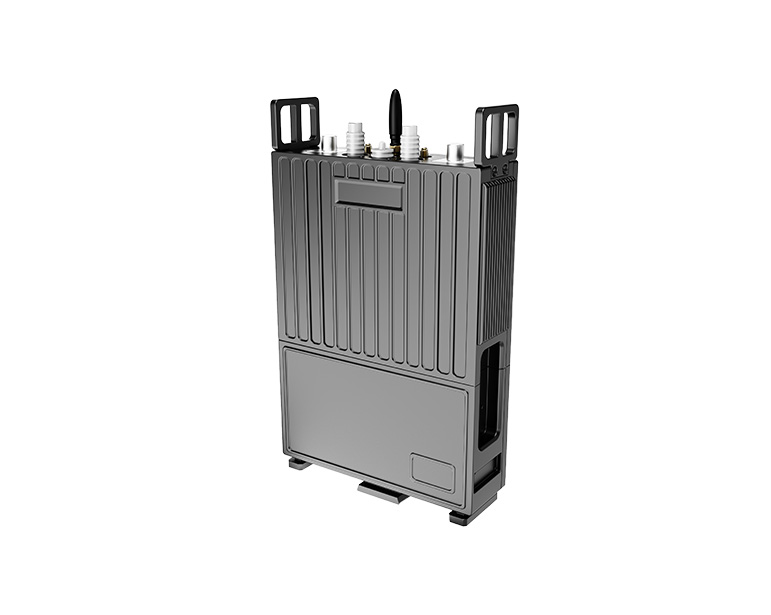
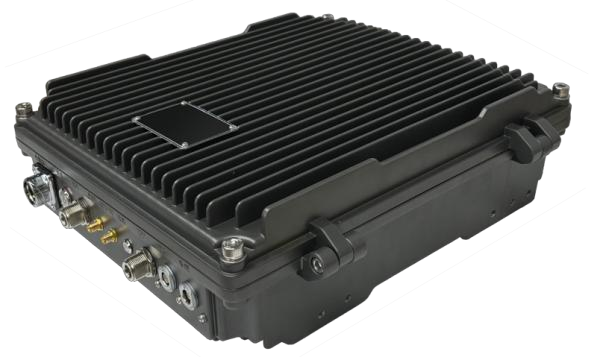
TuQian offers high-performance long-distance IP Mesh Radios designed for professional, tactical, and industrial use. Their products ensure:
Stable long-range communication with multi-hop architecture
Low-latency, high-bandwidth IP data transmission
AES-encrypted secure channels for sensitive operations
Self-forming and self-healing mesh networks for rapid deployment
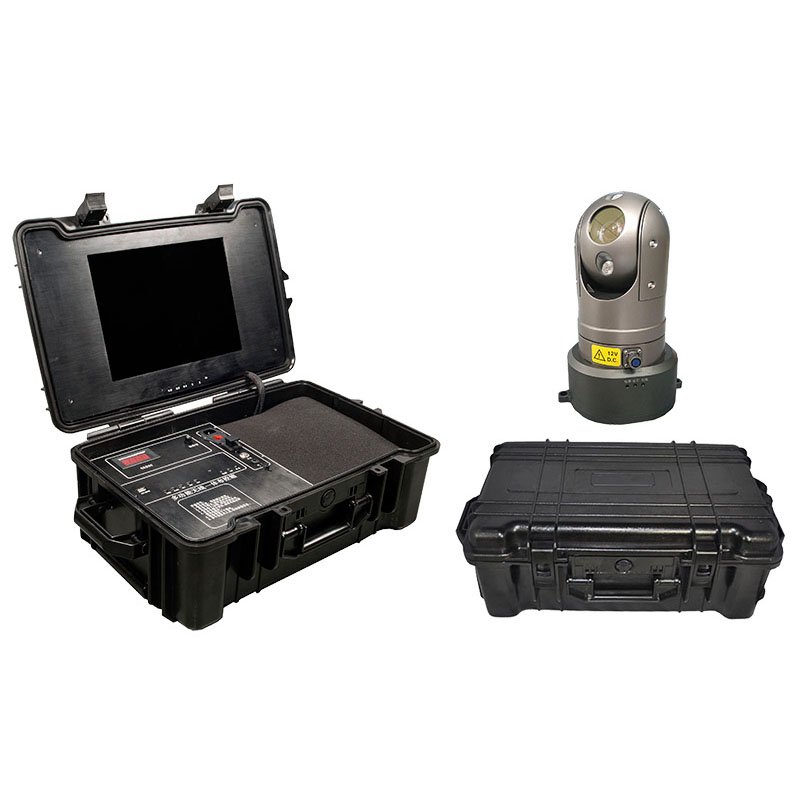
Compatibility with UAVs, vehicles, and portable field stations
Ruggedized, outdoor-ready design for harsh environments
Explore TuQian’s full range of wireless communication solutions:
TuQian Wireless Communication Solutions
6. Conclusion
Maintaining signal stability over long distances is essential for modern tactical, industrial, and emergency communication. Long-distance IP Mesh Radios achieve this through decentralized networks, multi-hop transmission, adaptive routing, and IP-based data handling.
With TuQian IP Mesh Radios, organizations gain robust, reliable, and secure long-range communication, ensuring operational success even in the most challenging environments.
TuQian Mesh Radio Network — Reliable Connectivity for Every Mission
TuQian is a professional manufacturer specializing in wireless communication and transmission systems, including advanced mesh radio networks designed for military, industrial, and emergency applications.
TuQian’s mesh radios feature:
High-speed data and HD video transmission with ultra-low latency.
Self-forming and self-healing networking for dynamic and mobile operations.
Rugged, field-tested designs suitable for harsh environments.
Flexible frequency options including 2.4GHz, 5.8GHz, and custom bands.
Support for UAVs, vehicles, and ground stations, enabling seamless multi-node communication.
With cutting-edge R&D and real-world performance, TuQian Mesh Radio Network empowers organizations to build reliable, flexible, and intelligent wireless communication systems — anywhere, anytime.