

What Is an IP Mesh Radio and How Does It Work?
2025-10-24


As wireless communication continues to evolve toward higher bandwidth, intelligence, and decentralization, traditional systems that rely on fixed base stations or single relay points are increasingly unable to meet the demands of complex and dynamic communication environments. Against this backdrop, IP MESH Radio, as an IP-based self-organizing wireless communication solution, is gaining widespread attention in emergency response, public safety, unmanned systems, and private industry networks.
1. Fundamental Concept of IP MESH Radio
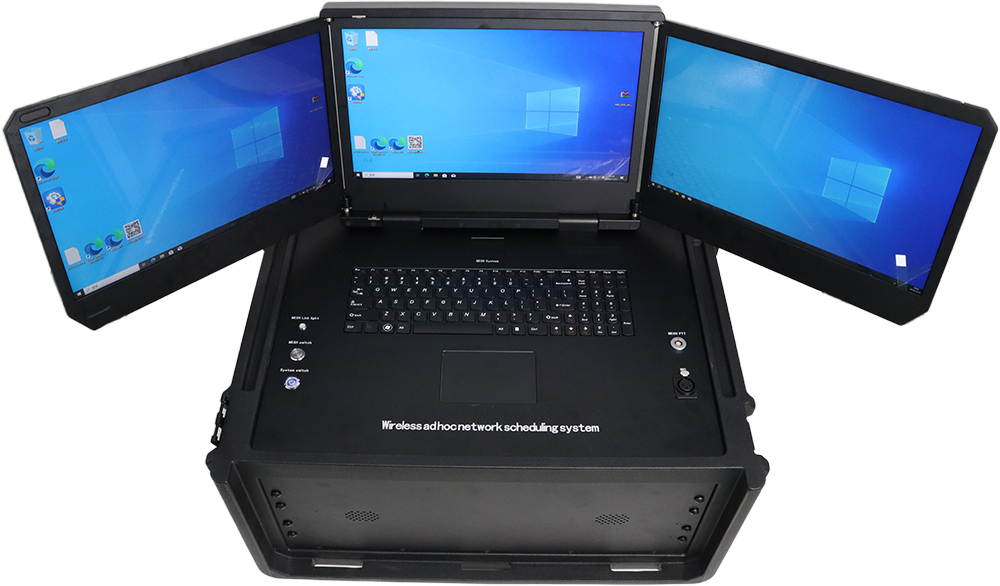
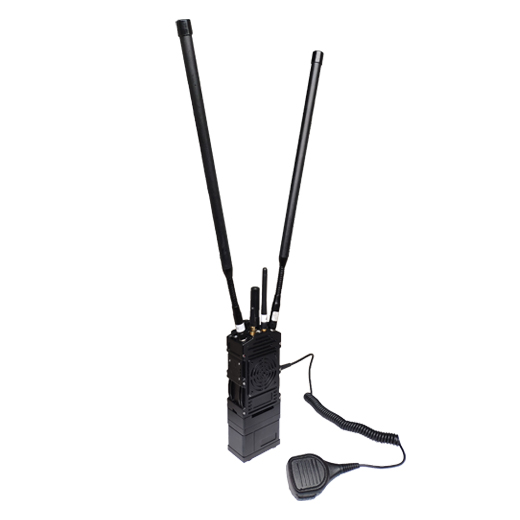
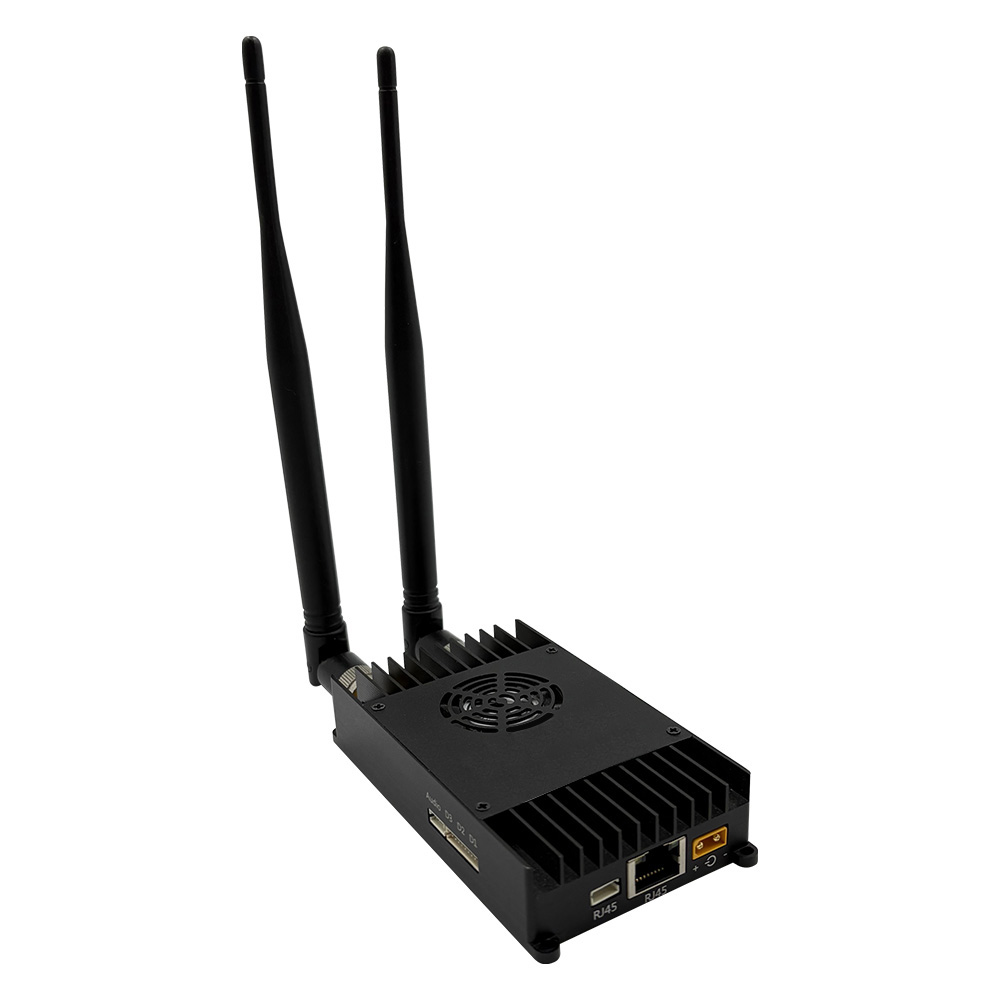
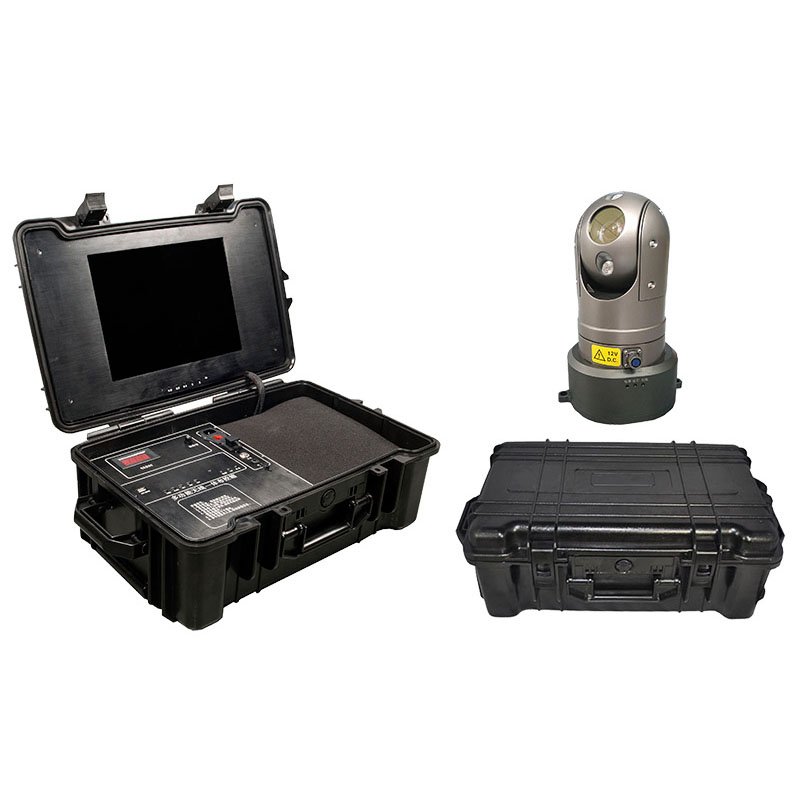
IP MESH Radio is essentially a wireless IP communication device based on a mesh topology. Each node in the network functions not only as a data terminal but also as a routing and forwarding node. This enables multi-hop communication without dependence on centralized base stations.
Compared with traditional point-to-point or point-to-multipoint wireless systems, IP MESH Radio features a more flexible, distributed network architecture. Its core technical foundation includes:
IP protocol-based data transmission
Mesh routing algorithms
Adaptive wireless link scheduling
Cooperative multi-node forwarding mechanisms
Together, these technologies form the backbone of a resilient IP MESH Radio network.
2. Self-Organizing and Self-Healing Network Capabilities
One of the most critical advantages of IP MESH Radio lies in its self-organizing and self-healing capabilities. When a new node joins the network, it can automatically complete network configuration tasks such as address assignment, link establishment, and route calculation without manual intervention.
If a node fails or a wireless link is disrupted, the system dynamically recalculates optimal routes, ensuring uninterrupted data transmission through alternative paths. This capability is achieved through:
Real-time link quality monitoring
Dynamic route updates
Distributed routing table maintenance
In complex terrain or high-interference environments, these mechanisms significantly enhance overall network reliability.
3. IP-Based Transmission and Multi-Service Support
By adopting standard IP transmission, IP MESH Radio naturally supports multi-service convergence. Within the same network, it can simultaneously carry:
High-definition video streams
Voice communications
Sensor and telemetry data
Command and control information
Through Quality of Service (QoS) policies, different data types can be prioritized to ensure real-time performance for critical applications. The IP-based design also enables seamless integration with existing command platforms and information systems.
4. Multi-Hop Communication and Network Coverage
IP MESH Radio supports multi-hop wireless communication, allowing data to be relayed through intermediate nodes when direct transmission is not feasible. This effectively extends network coverage beyond the limitations of single-link communication.
In addition, multi-path routing improves throughput and reduces congestion by distributing traffic across multiple available links, which is particularly valuable in urban, mountainous, or underground environments.
5. Designed for Dynamic and Infrastructure-Free Environments
Thanks to its distributed architecture, IP MESH Radio is especially well-suited for:
Areas without fixed communication infrastructure
Rapidly deployed or temporary networks
Highly mobile or dynamically changing nodes
Mission-critical applications requiring high reliability
From a technical perspective, IP MESH Radio is not just a wireless device, but a highly resilient and scalable network architecture.
6. Technology Development Trends
With advances in RF design, processing power, and networking protocols, IP MESH Radio continues to evolve toward higher bandwidth, lower latency, and stronger security. Its role in industry-specific wireless communication systems is expected to expand further in the coming years.
Conclusion
IP Mesh is not a single product but a network architecture designed for resilience and adaptability. Its distributed structure and IP-based design provide a practical foundation for wireless communication in challenging environments. As technology advances and application scenarios expand, IP Mesh is expected to remain a key component of modern wireless communication networks.
TuQian is a professional manufacturer specializing in wireless communication and transmission systems, including advanced IP Mesh radios designed for military, industrial, and emergency applications.
TuQian IP Mesh radios offer the following key features:
High-speed data and high-definition video transmission with ultra-low latency
Self-organizing and self-healing networking, suitable for dynamic and mobile operations
Ruggedized design, field-tested for reliable performance in harsh environments
Flexible frequency options, including 2.4 GHz, 5.8 GHz, and customized frequency bands
Support for UAVs, vehicles, and ground stations, enabling seamless multi-node communication
With strong in-house R&D capabilities and proven real-world performance, TuQian IP Mesh radios help organizations deploy reliable, flexible, and intelligent wireless communication networks anytime and anywhere.