

The Application of IP Mesh Radio in Military and Unmanned Aerial Vehicle (UAV) Communications
2025-10-28


In the modern digital era, long distance communication has become the foundation of global connectivity — enabling people, businesses, and machines to exchange information instantly across continents. From early telegraph lines to today’s satellite and wireless mesh networks, long-distance communication continues to evolve, shaping the way societies interact, collaborate, and grow.
Long-distance communication refers to the transmission of information—such as voice, data, or video—across large geographic areas, typically beyond the range of human speech or local network systems. It enables communication between cities, countries, or even between Earth and satellites in orbit.
The key goal of long-distance communication is to overcome physical distance while maintaining the speed, reliability, and quality of data transfer. Depending on the application, this can be achieved through various technologies, including radio waves, fiber optics, microwave transmission, and satellite communication.
The concept of communicating across long distances has existed for centuries. Early civilizations relied on smoke signals, beacon fires, and carrier pigeons. The 19th century introduced the telegraph, which was the first technology to send electrical signals over wires—marking the beginning of electronic long-distance communication.
Then came the telephone, radio, and television, revolutionizing real-time information sharing. In the late 20th and early 21st centuries, the rise of the internet, cellular networks, and wireless technologies such as microwave and mesh networks transformed long-distance communication into a global, seamless system.
The principle of long-distance communication involves transmitting electromagnetic signals—whether electrical, radio, optical, or microwave—over long paths from a sender to a receiver. Depending on the technology, these signals may be sent through cables, air, or even space.
Let’s look at the main communication methods:
Wired systems like fiber optics and copper cables transmit data via physical connections.
Fiber optic cables use light pulses to transmit information over thousands of kilometers with minimal loss, making them ideal for high-speed internet and international data connections.
Copper-based systems, such as telephone lines, transmit electrical signals but are limited by distance and bandwidth.
Wireless long-distance communication relies on radio frequency (RF) waves, which travel through the air or space. Technologies like microwave links, satellite communication, and radio repeaters extend these signals across vast distances.
Microwave communication uses high-frequency radio waves (typically between 1 GHz and 30 GHz) for point-to-point or point-to-multipoint links.
Satellite communication transmits signals to orbiting satellites, which then relay them back to receivers on Earth—enabling global coverage even in remote areas.
HF/VHF/UHF radios are commonly used in aviation, maritime, and military systems for long-range communication.
Modern wireless systems like IP Mesh Radios and Ad Hoc Networks represent the next stage of long-distance communication.
In these systems, every device (or node) can send, receive, and forward data, forming a self-healing network that can cover large areas without centralized infrastructure. This technology is critical in remote operations, emergency communication, and military applications.
Several technologies work together to make long-range communication fast and reliable:
Microwave Transmission – Uses line-of-sight radio waves between towers or stations for high-speed data and video transmission.
Satellite Communication – Enables global coverage, ideal for maritime, aviation, and defense networks.
Cellular Networks (4G/5G) – Provide regional to nationwide connectivity for smartphones and IoT devices.
Fiber Optics – Support undersea and terrestrial data transmission with low latency.
Mesh Network Radios – Offer flexible, infrastructure-free communication for mobile teams, drones, and vehicles.
Wi-Fi and Bluetooth Extensions – Used for local-to-midrange long-distance device communication.
Each technology serves different purposes depending on the range, terrain, and reliability requirements.
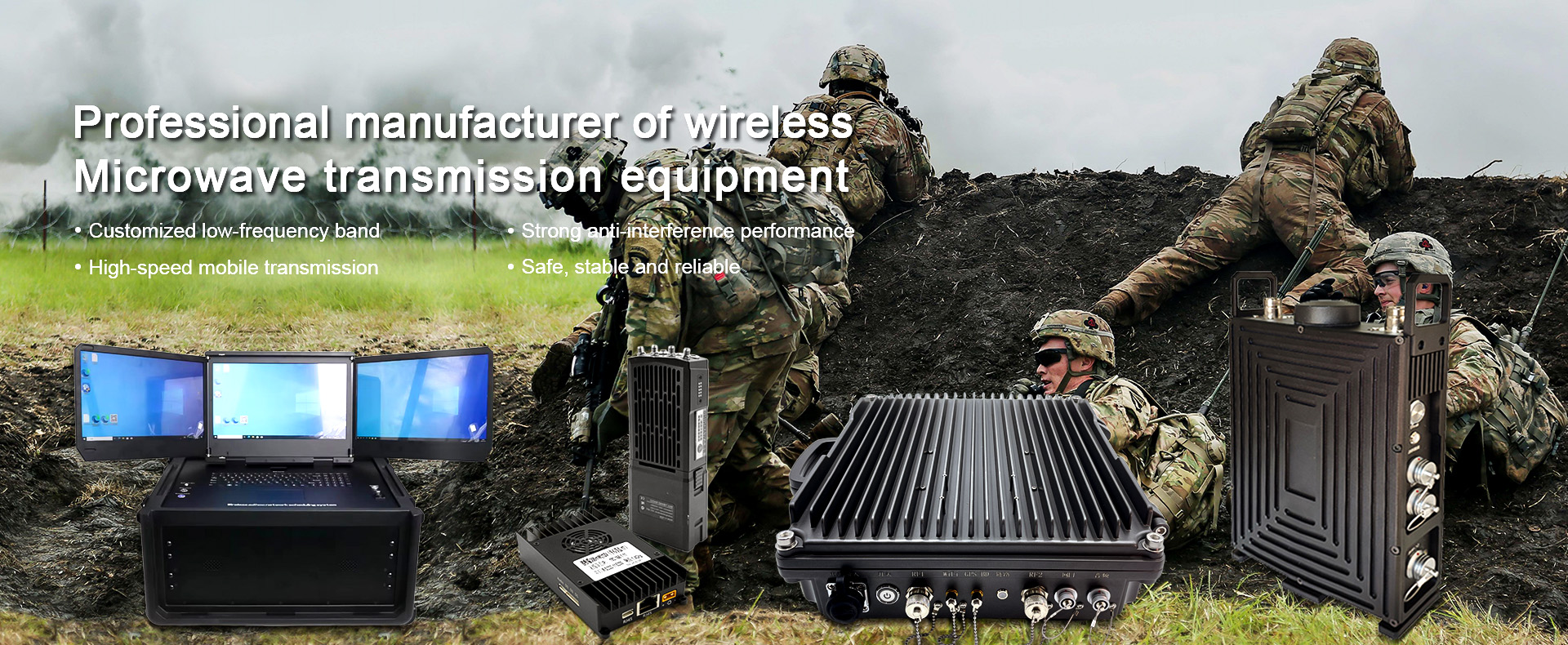
Long-distance communication is the backbone of modern defense networks. Military units use encrypted microwave and mesh radio systems for tactical coordination between soldiers, command centers, and unmanned systems in the field.
In disaster-struck regions where traditional communication lines are down, long-distance wireless systems help first responders coordinate rescue operations. Portable mesh radios and satellite terminals are vital for maintaining connectivity in critical moments.
Ships and aircraft rely on HF radios, satellites, and microwave systems for navigation, control, and safety communication over oceans or remote airspace where terrestrial signals are unavailable.
Oil rigs, power grids, and mining operations use long-distance communication to monitor equipment, transfer data, and ensure safety across vast and hazardous environments.
Long-distance microwave and satellite links enable live video transmission for news, sports events, and film production across remote locations.
In rural areas, long-distance communication bridges the digital divide by delivering broadband connectivity through microwave, satellite, or mesh-based wireless solutions.
Global Connectivity: Connects people and systems across continents.
High Efficiency: Enables real-time data, voice, and video transmission.
Infrastructure Flexibility: Wireless and mesh systems can operate without fixed towers.
Reliability: Self-healing and redundant systems ensure continuous operation.
Mobility: Ideal for vehicles, drones, and mobile teams.
Cost-Effectiveness: Reduces the need for expensive cabling in difficult terrains.
These features make long-distance communication a critical enabler of digital transformation across industries.
As the world transitions toward 5G, IoT, and AI-driven systems, long-distance communication is evolving to meet the demand for higher bandwidth, lower latency, and greater adaptability.
Future innovations will focus on integrating satellite internet (like Starlink), edge computing, and mesh-based autonomous networks to create intelligent, borderless communication systems.
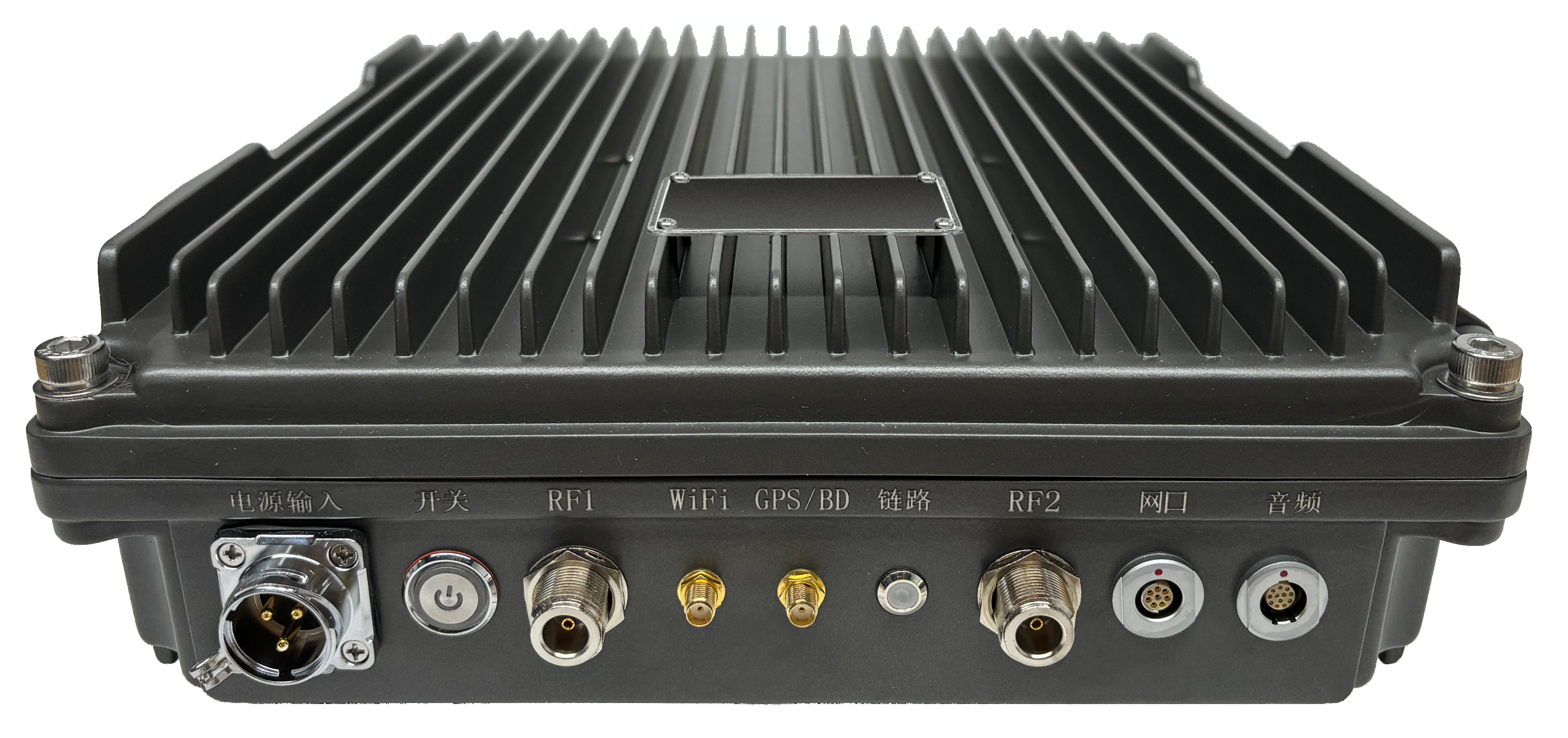
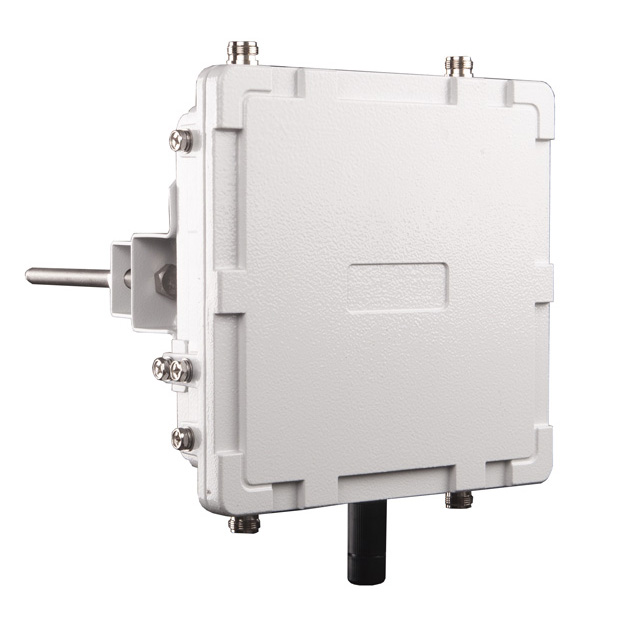
TuQian is a leading manufacturer and supplier specializing in wireless transmission and long-distance communication systems. With years of R&D expertise, TuQian provides high-performance solutions designed for mission-critical environments.
Advanced IP Mesh Radio Technology for real-time data, video, and voice transmission.
Self-forming, self-healing wireless networks for mobile and field operations.
Support for multi-hop communication over several kilometers without base stations.
Flexible deployment for drones, vehicles, and portable field units.
Rugged, military-grade designs for extreme environmental conditions.
Custom frequency options (2.4GHz, 5.8GHz, and beyond) for global compatibility.
TuQian’s long-distance communication systems are trusted across defense, emergency response, industrial monitoring, and broadcast industries.
By combining innovation with field-tested reliability, TuQian empowers organizations to stay connected—anytime, anywhere.