

What Is an IP Mesh Radio and How Does It Work?
2025-10-24


As modern communication networks continue to evolve toward wireless, distributed, and flexible architectures, establishing stable and efficient connectivity between geographically separated network segments has become a critical challenge. Communication Wireless Network Bridge is widely adopted to address this challenge by enabling reliable wireless interconnection between independent networks.
1. Basic Concept of Communication Wireless Network Bridge
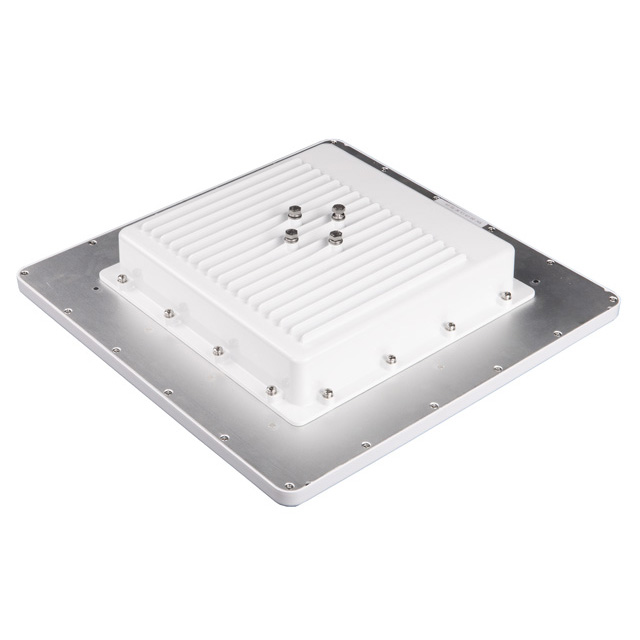
A Communication Wireless Network Bridge is a wireless networking device designed to connect two or more local area networks through a wireless link. From a networking perspective, wireless bridges typically operate at the data link layer or network layer of the OSI model, allowing transparent data forwarding between remote networks.
Compared with traditional wired bridges, wireless network bridges offer significant advantages in deployment flexibility, especially in environments where cable installation is impractical or cost-prohibitive.
2. Working Principles of Wireless Network Bridging
Communication Wireless Network Bridge systems commonly operate in Point-to-Point (PtP) or Point-to-Multipoint (PtMP) configurations.
In a point-to-point setup, two devices establish a dedicated wireless link using directional antennas, enabling bidirectional data transmission. In point-to-multipoint scenarios, a central bridge node communicates with multiple remote endpoints.
Key technical mechanisms include:
RF signal modulation and demodulation
Data encryption and integrity verification
Bandwidth management and traffic control
Transparent packet forwarding
Together, these technologies ensure stable and efficient wireless data transmission.
3. Achieving Long-Distance and High Reliability
Communication Wireless Network Bridge solutions are frequently used for wireless links spanning several kilometers or even tens of kilometers. To ensure reliable long-distance communication, the system typically incorporates:
High-gain directional antennas
Adaptive modulation and coding schemes
Optimized transmit power and receiver sensitivity
Interference mitigation and retransmission mechanisms
Through the combination of these techniques, wireless network bridges can maintain consistent link quality even in complex electromagnetic environments.
4. Network Transparency and System Compatibility
One of the most important technical advantages of wireless network bridges is network transparency.
From the perspective of upper-layer applications, a remote network connected via a wireless bridge behaves as if it were connected by a physical Ethernet cable. Existing IP addressing schemes, network protocols, and applications can operate without modification.
This high level of compatibility enables Communication Wireless Network Bridge solutions to be seamlessly integrated into existing network infrastructures, significantly reducing deployment and upgrade costs.
5. Typical Technical Application Scenarios
From a technical standpoint, Communication Wireless Network Bridge solutions are commonly applied in scenarios such as:
Interconnecting LANs across separate locations
Areas where fiber deployment is difficult or impossible
Temporary or emergency network construction
Industrial parks and distributed facilities
In these use cases, wireless network bridges serve as stable and transparent data transmission channels.
6. Technology Development Trends
With continuous advancements in RF technology and wireless chip performance, Communication Wireless Network Bridge solutions are evolving toward higher throughput, lower latency, and enhanced security. Their importance in industry private networks and long-distance wireless backhaul applications is expected to continue growing.
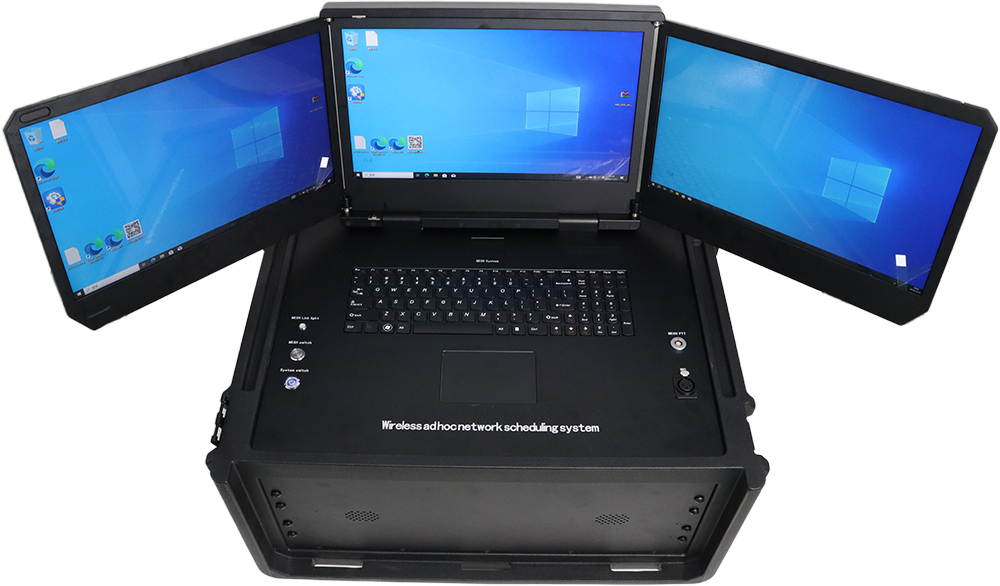
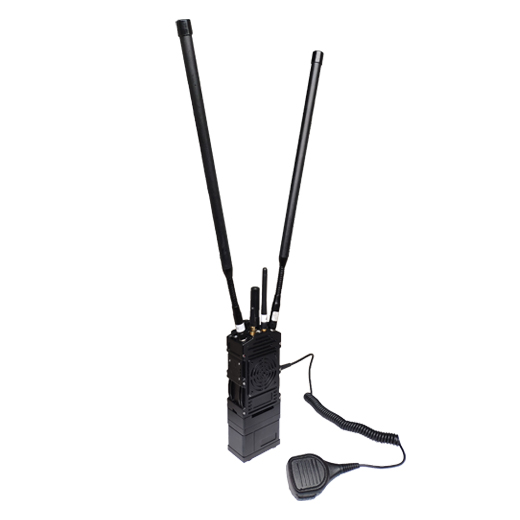
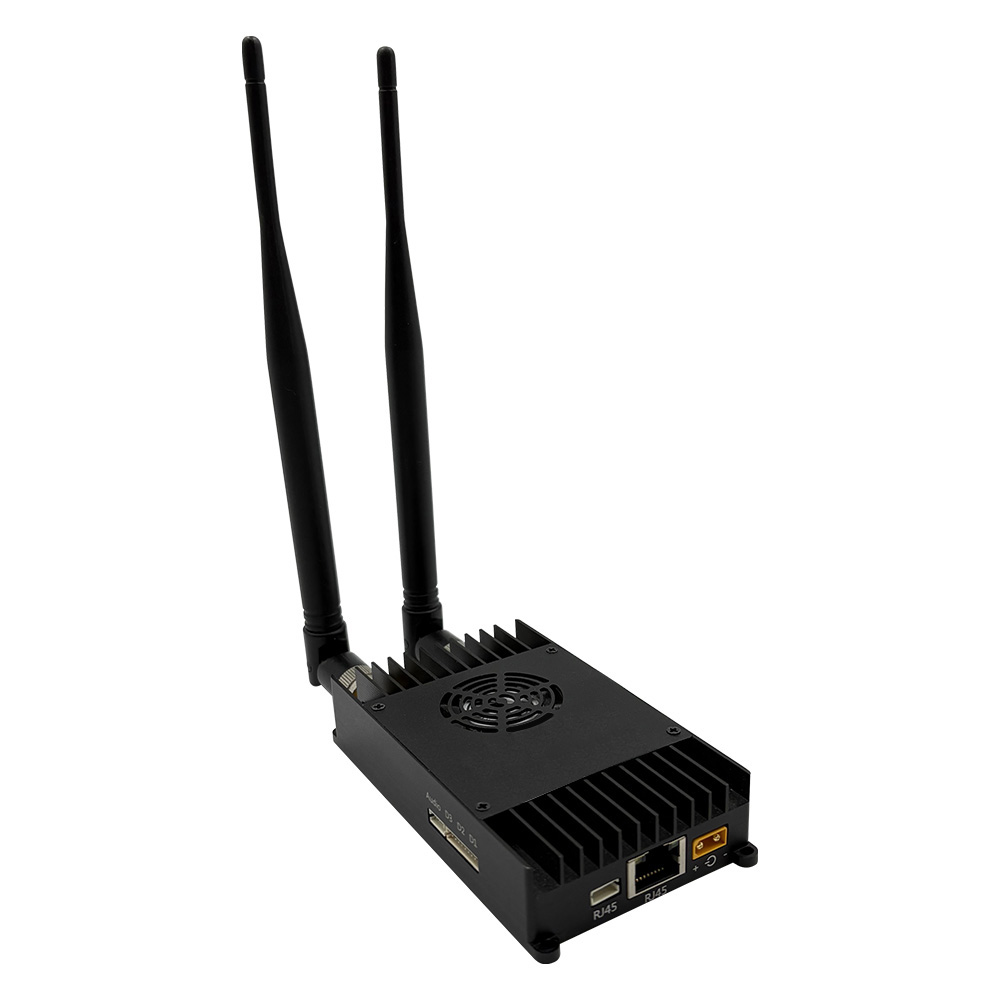
TuQian is a professional manufacturer of wireless communication and transmission systems, specializing in advanced IP Mesh radios for military, industrial and emergency applications.
Its IP Mesh radios feature: high-speed, ultra-low-latency data and HD video transmission; self-organizing, self-healing networking for dynamic mobile operations; ruggedized, field-tested design for harsh environments; flexible frequency bands (2.4 GHz, 5.8 GHz, customized); and seamless multi-node communication supporting UAVs, vehicles and ground stations.
Backed by strong in-house R&D and proven real-world performance, TuQian’s IP Mesh radios enable organizations to deploy reliable, flexible and intelligent wireless communication networks anytime, anywhere.