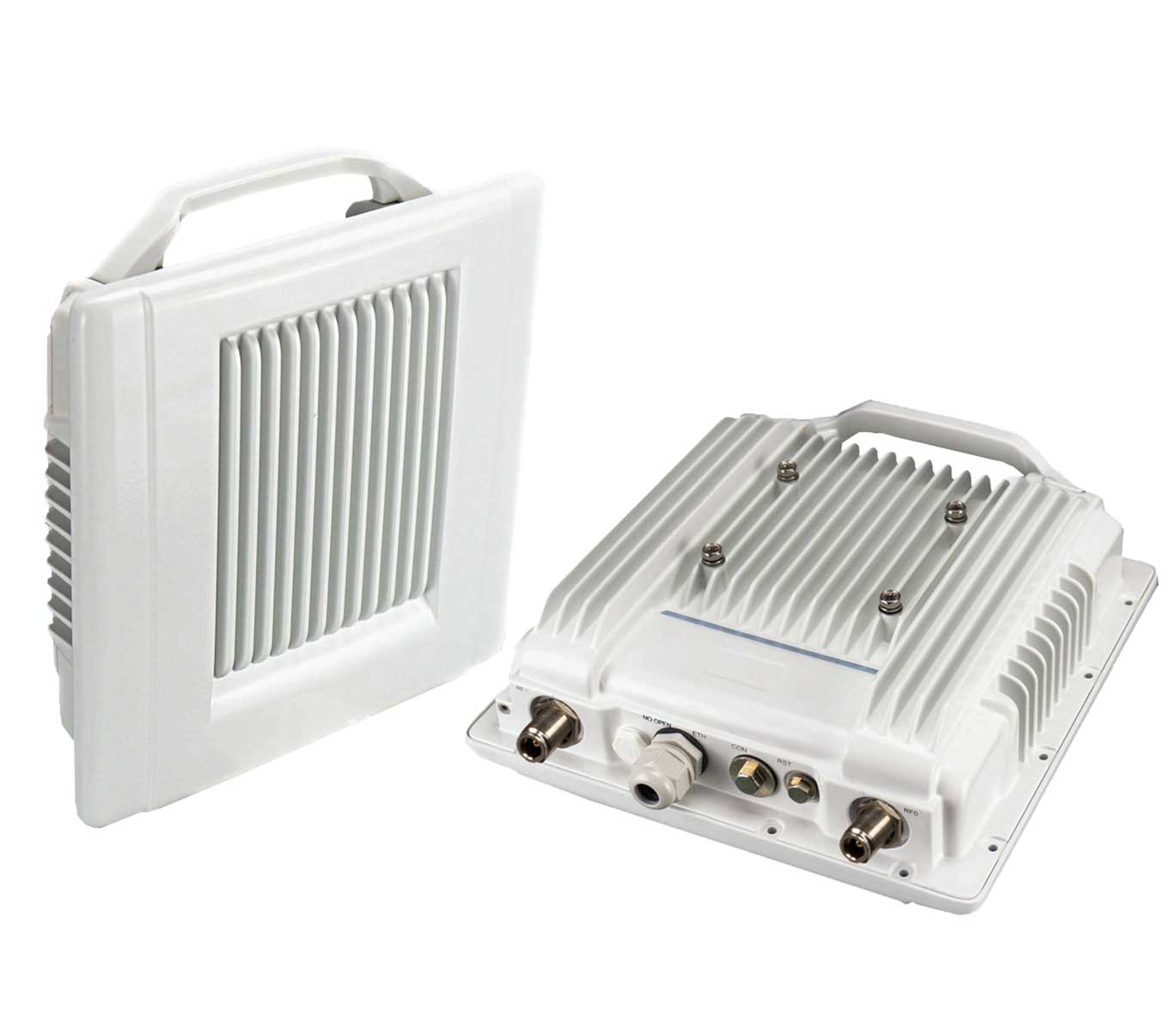


IP Mesh vs Traditional Wireless Network: What’s the Difference?
2025-10-28


With the increasing diversity of building structures and the changing climate and environment, in order to better meet project requirements, a large number of engineering companies choose to adopt flexible wireless bridge systems to implement project plans. They hope to achieve the goals of project monitoring transmission and wireless WiFi coverage in complex environments through this flexible transmission method.
However, when it comes to wireless bridges, how should they be deployed and installed to meet the actual needs of the project? In general wireless transmission projects, we usually ensure that the transmission and emission ends are visible, and then carry out the planning of the deployment based on the actual situation of the project to avoid affecting the transmission quality. But this does not mean that all projects can be planned and implemented easily. There are always some projects that are restricted by the environment and difficult to implement, such as monitoring in special scenarios like oceans, mountains, oil fields, and scenic spots. In such high-difficulty project environments, how can we successfully complete the project construction to ensure the smooth progress of the project? We can start by analyzing from the following four aspects:
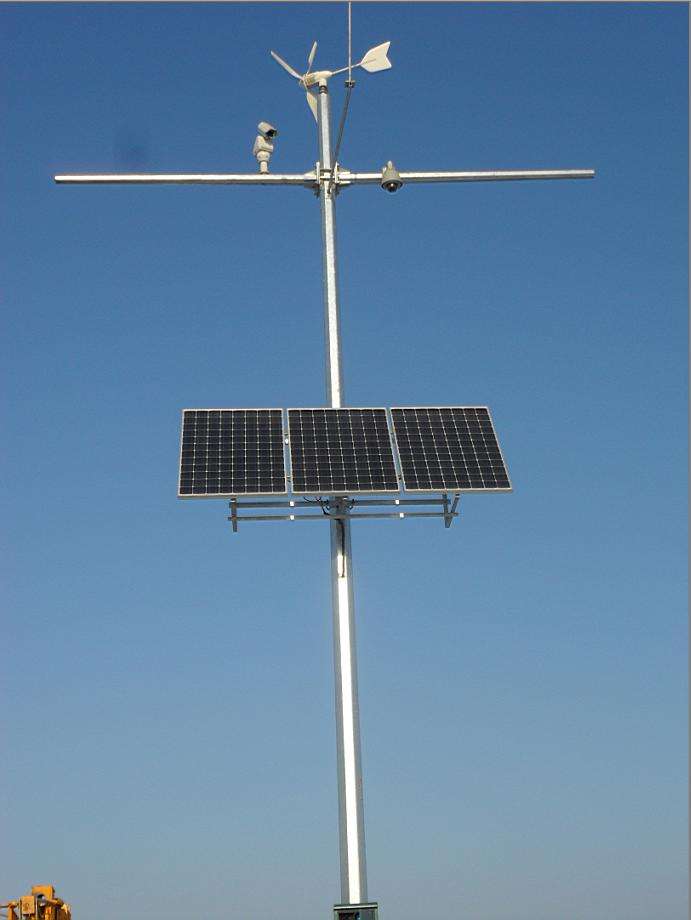
Solar and wind power complementary power supply system
One is to solve the power supply problem: This is the primary consideration when implementing the special scenario wireless monitoring project. Due to the unique nature of the site environment, compared to general projects, obtaining power is a major challenge and also one of the problems that frustrates the engineering clients. In such circumstances, the problem can be solved by using solar and wind power generation systems, thereby meeting the power supply requirements of the wireless monitoring system.
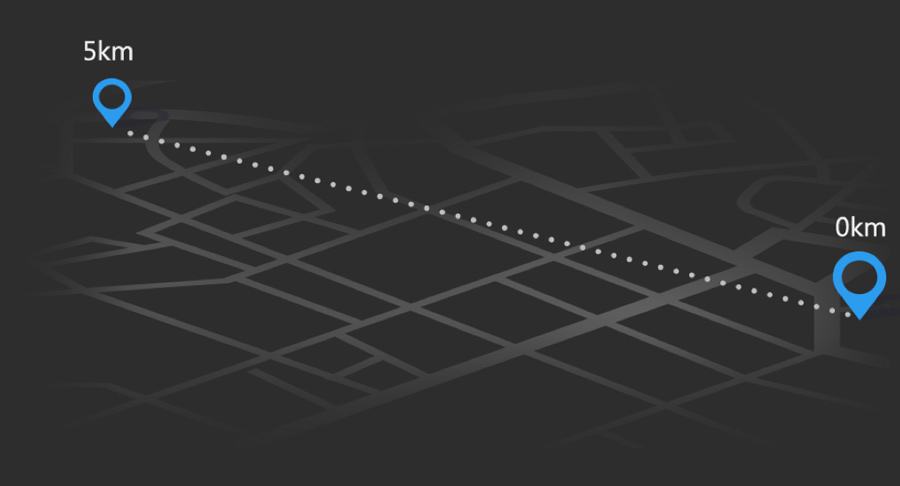
Precise transmission distance
Second, precise transmission distance: Transmission distance is also a crucial point that cannot be ignored in wireless monitoring systems. This not only relates to how the site is planned and laid out, but also to which equipment the engineering company selects to support the project's transmission system. In this regard, it is recommended that the engineering company comprehensively consider the project's cost budget, equipment performance, and the transmission distance at the site.
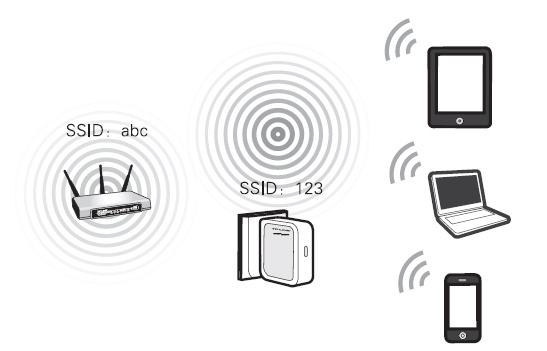
Accurate planning of relay points
Thirdly, accurately plan relay points: Considering projects such as surveillance in special scenarios, there are usually many obstacles. To ensure the quality of the system's operation, the engineering company can set up relays in some areas where the line of sight is blocked to transfer signals and ensure that the project has a complete network system.
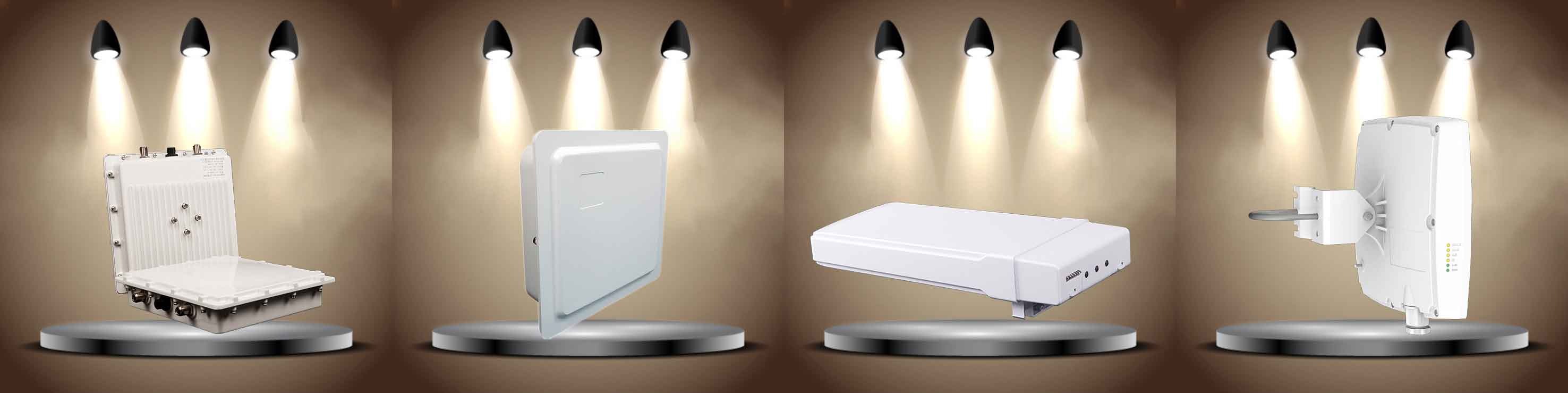
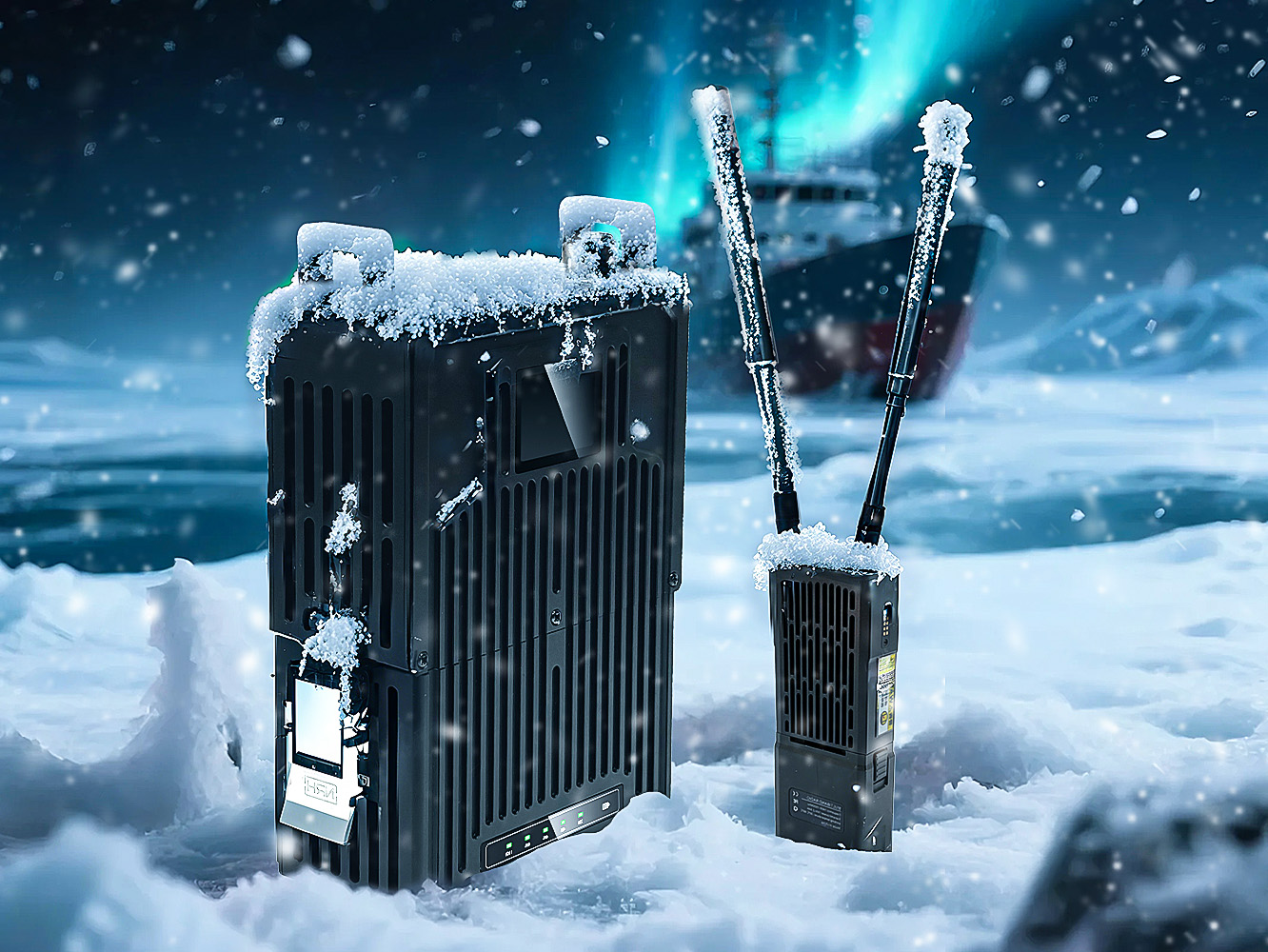
Fourth, implement effective lightning protection, rain prevention and wind resistance measures for high-altitude projects: The climate has a significant impact on outdoor projects, especially for monitoring on high-altitude areas with significant climate changes. If relevant defense measures are ignored, it can cause huge damage to the system. Therefore, it is recommended that engineering contractors take into account the "three prevention" measures (lightning protection, wind resistance, and rain prevention) during project planning. They can also use professional outdoor transmission bridge systems, which will provide a highly reliable wireless monitoring system for the project.