

IP Mesh vs Traditional Wireless Network: What’s the Difference?
2025-10-28


Since the outbreak of the novel coronavirus pneumonia, due to the high infectivity of the virus, reducing contact between people has become the top priority in epidemic prevention and control efforts. The demand for unmanned products for epidemic prevention has risen sharply.
Meanwhile, in the face of the fierce spread of the epidemic, the shortage of personnel in various epidemic prevention and control sites has occurred from time to time. Especially with the arrival of the return-to-work wave, the flow of people at various public places such as expressway toll gates, stations, railway stations, and airports has increased significantly, which has also increased the workload of manpower for epidemic prevention and control.
In these public places, staff members are responsible for tasks such as taking body temperatures and conducting disinfection. This not only involves heavy workloads that require a large number of personnel, but also the close contact increases the risk of virus cross-infection.
Based on this, security robots capable of automatically detecting body temperature, checking if people are wearing masks, and conducting inspections in specific areas have begun to emerge and have been deployed in this epidemic prevention and control effort.
The implementation of epidemic prevention and control measures has led to a sudden surge in demand for security robots in the market. After the epidemic ends, the improvement in technologies such as infrared temperature measurement and intelligent recognition brought about by this short-term demand will provide more efficient and rapid temperature detection and personnel identification tracking applications for the return of security robots to traditional public place security inspection work, thereby promoting the medium and long-term development of the robot market.
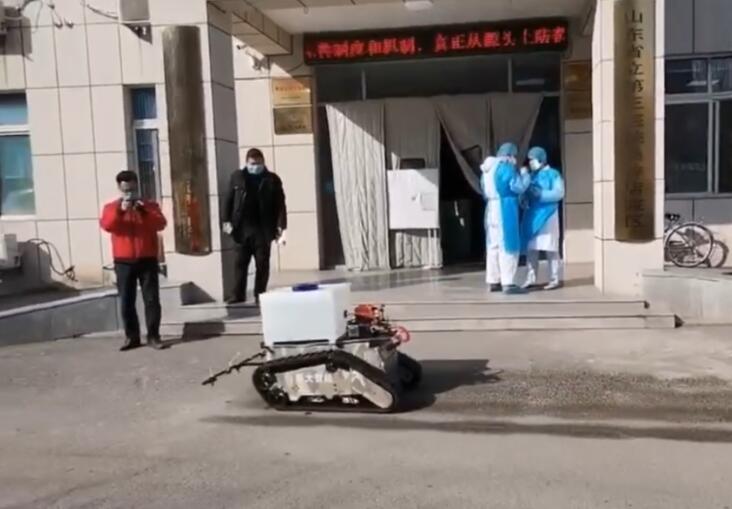
Security robots are heading to the frontline of the epidemic fight.
The author learned that many robot enterprises seized the opportunity and developed and produced related products of epidemic prevention robots. These products were at the forefront of the epidemic prevention efforts and played a significant role.
Specifically, the utility of security robots in this epidemic prevention and control effort is mainly reflected in two aspects: automatic inspection and epidemic prevention publicity.
On the one hand, the sudden outbreak of the epidemic led to a severe shortage of prevention and control personnel. The addition of security robots, which are equipped with functions such as automatic temperature measurement and detection of people wearing masks, can greatly accelerate the identification efficiency and reduce the workload of prevention and control personnel. Compared with before, the remarkable performance of security robots in the pneumonia epidemic prevention and control in recent days has attracted widespread attention, leading to a wave of application of security robots, and also bringing a glimmer of hope for the development of the industry.
But once the short-term demand for epidemic prevention and control subsides, can the security robot market take this opportunity to transform the current surging demand into a long-term positive factor for the industry's development?
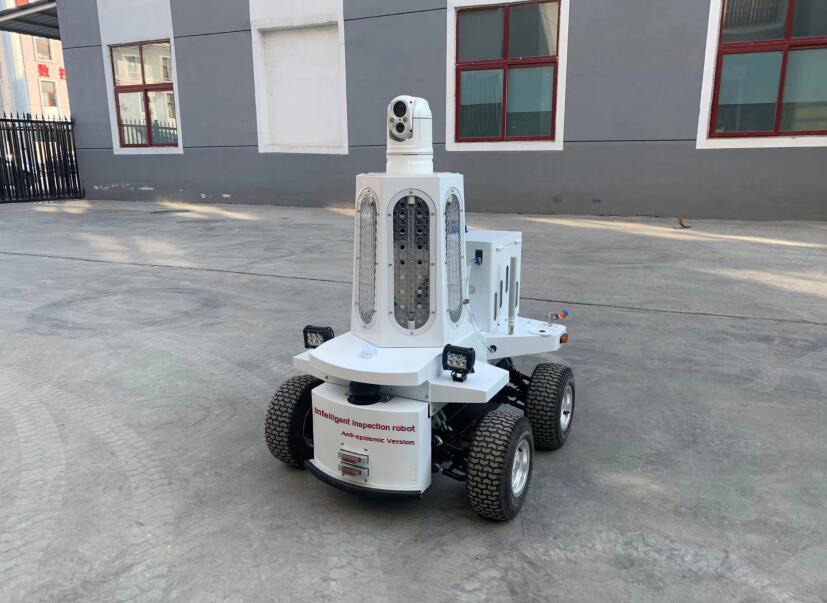
In the past, security robots were more like an abstract concept in people's minds. However, during the current epidemic prevention and control efforts, robots, as a new product and new approach in the fight against the epidemic, have been applied in some key areas and have received support and encouragement from a large number of users.
It can be said that the pandemic has also demonstrated that security robots are in line with the trend of the times and have significantly enhanced the popularization education and acceptance of robot application scenarios among the public.
On the other hand, the sudden outbreak of this epidemic has caught many enterprises off guard. Currently, many robot enterprises are improving their existing products by adding functions such as infrared temperature measurement and mask-wearing detection.
When the pandemic is over, as the security robots return to their traditional role of police patrol, the upgraded functions such as infrared temperature measurement and mask-wearing detection, which have been further refined and improved, can perform better in various scenarios including smoke detection, illegal intrusions, and catching fugitives.
From the perspective of national policies, after major disasters and calamities, it is urgent to stimulate the recovery of industries. And the outstanding performance of high-tech fields such as 5G, facial recognition, and robots in the fight against the epidemic will also drive national policies to favor related industries. Meanwhile, enterprises should clearly define their own positions, solve the problems that trouble users in daily applications, so as to better seize the opportunities.
It is worth noting that although the security robots have received much attention for their performance during the fight against the epidemic, it is also necessary to clearly recognize that, compared with the huge intelligent demand for epidemic prevention and control, the current application scale of security robots is still relatively small.
Many industry insiders have stated that this epidemic prevention and control work is more like a practice session for the security robot industry. That is, by showcasing the advantages of security robots in epidemic prevention and control, it aims to enhance public awareness and acceptance of the products.
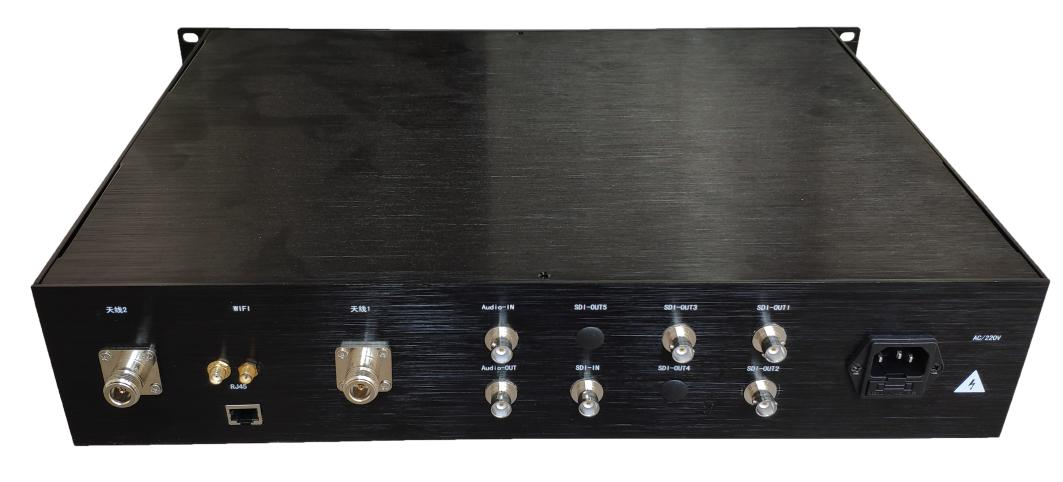
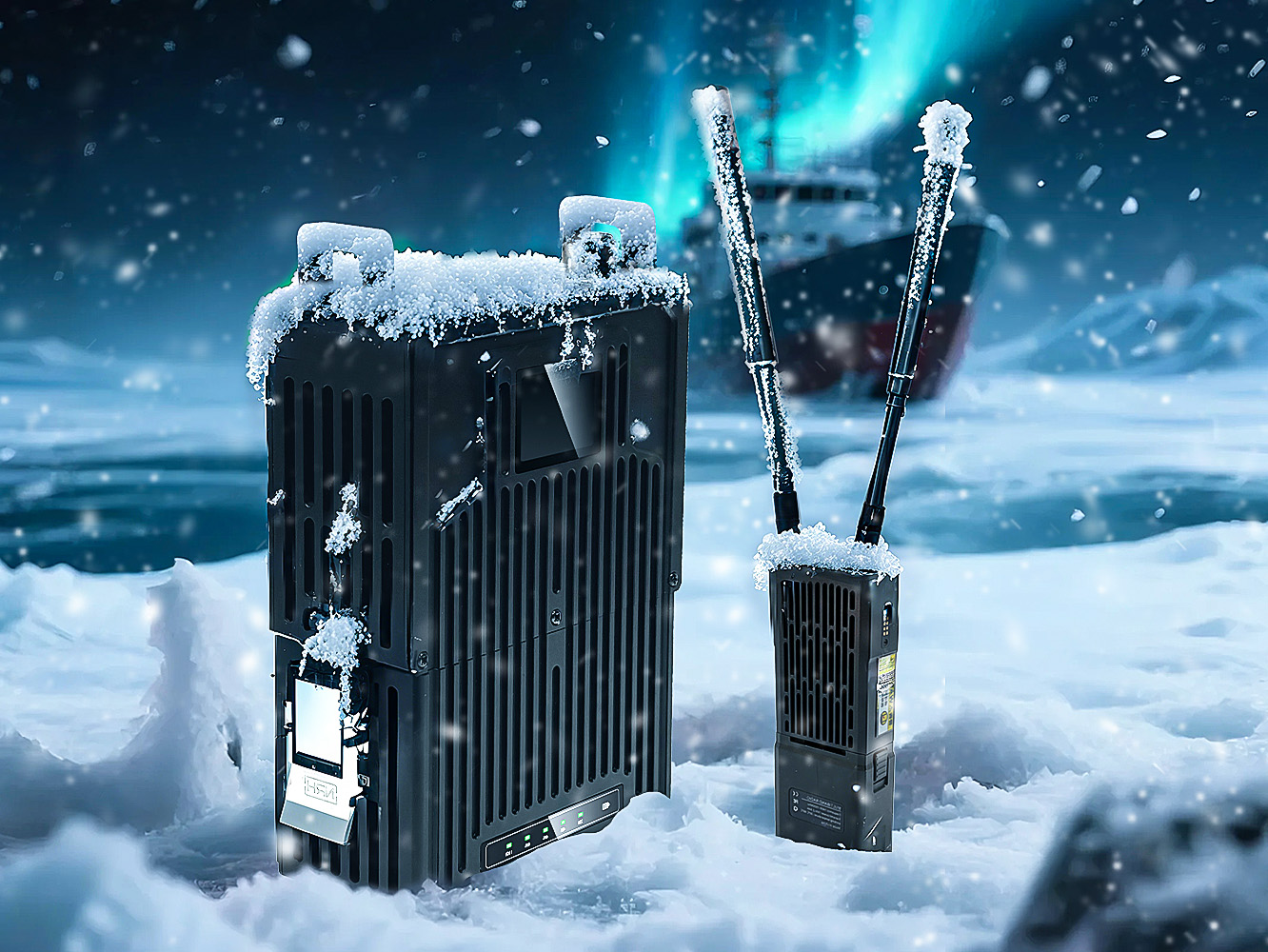
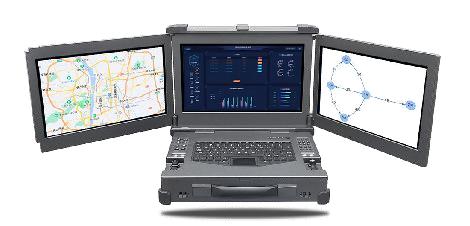
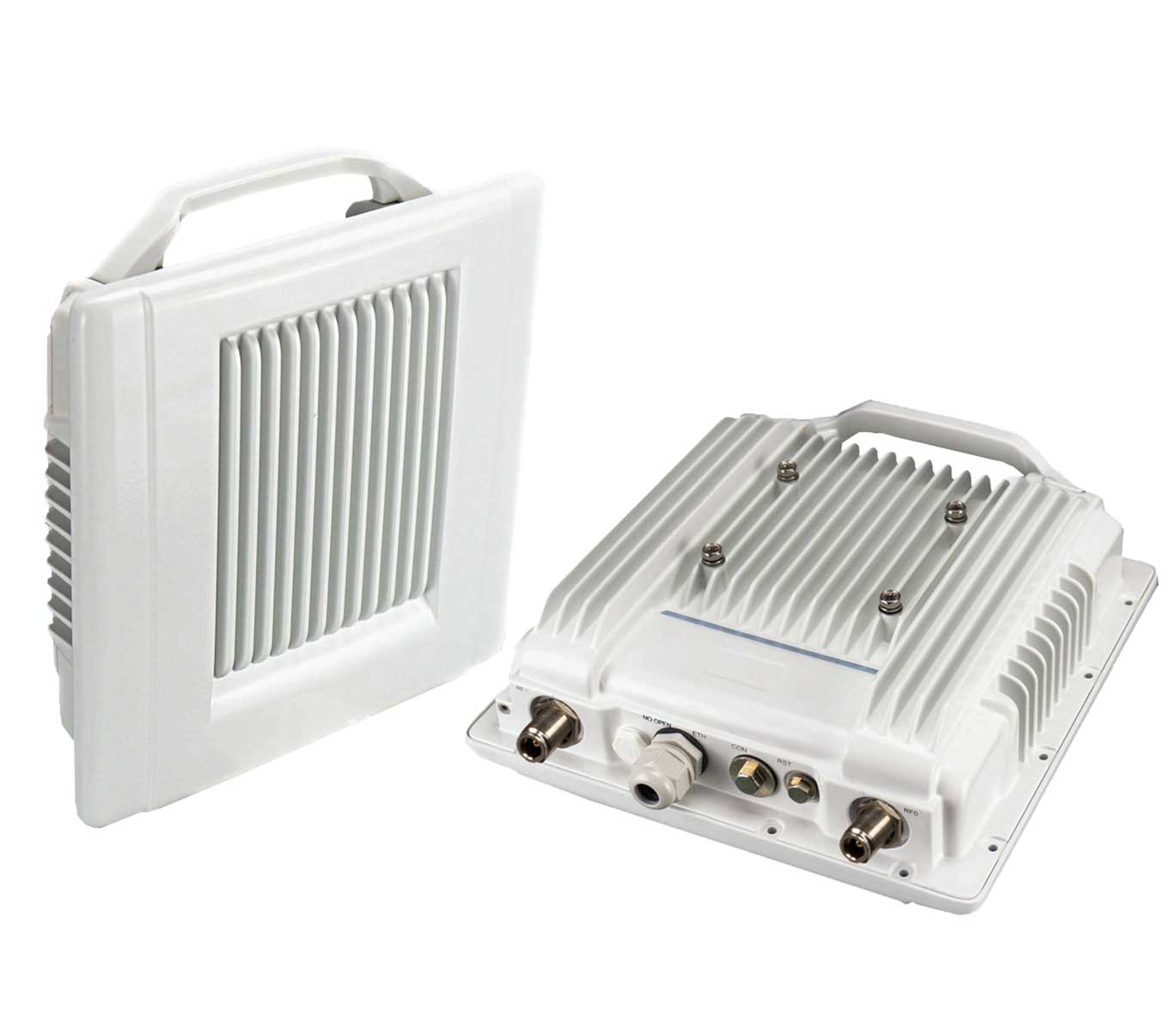
The various wireless transmission systems for robots produced and developed by our company can provide professional products and technical support for the transmission of robots, ensuring the widespread application of robots.