

What Is an IP Mesh Radio and How Does It Work?
2025-10-24


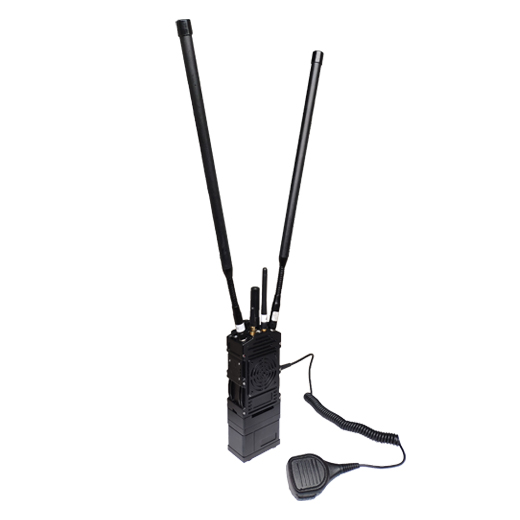
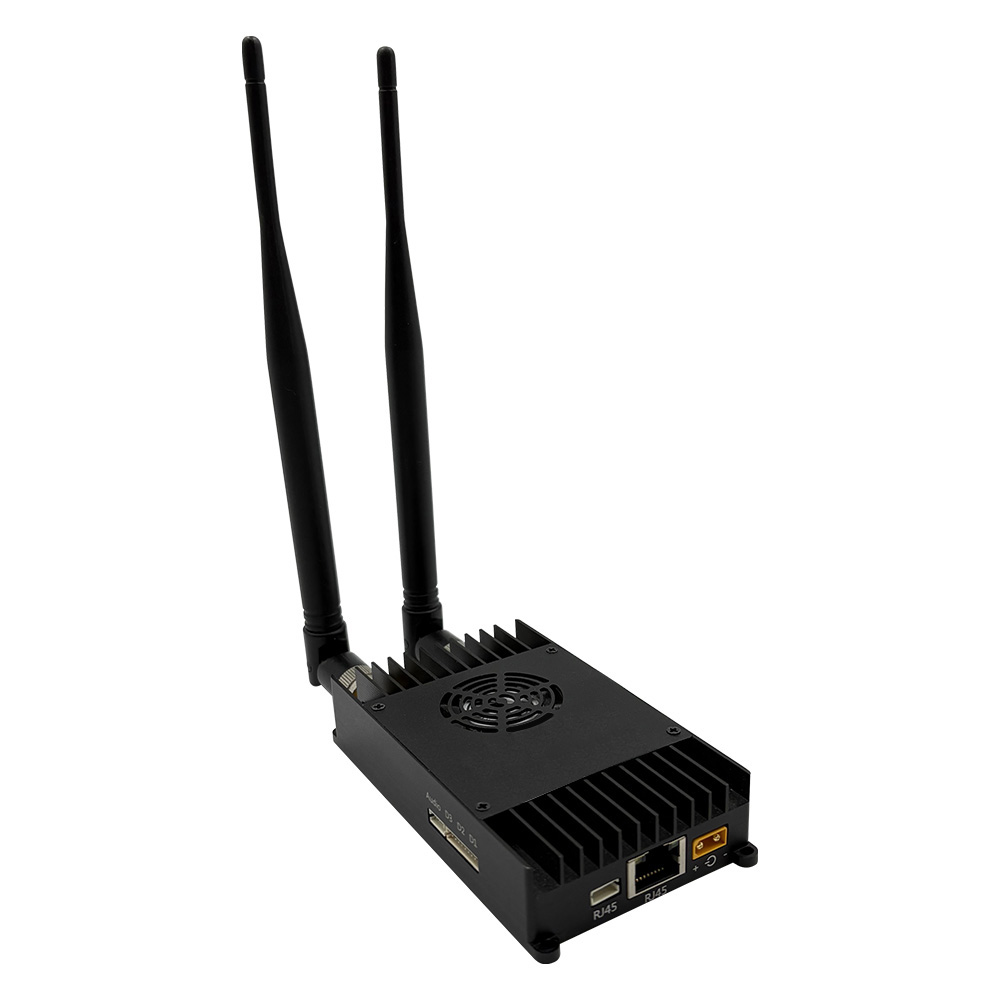
Compared with traditional communication networks, wireless self-organizing networks have several distinctive features, such as being decentralized, self-organizing, multi-hop routing, dynamic network topology, temporariness, and limited wireless transmission bandwidth.
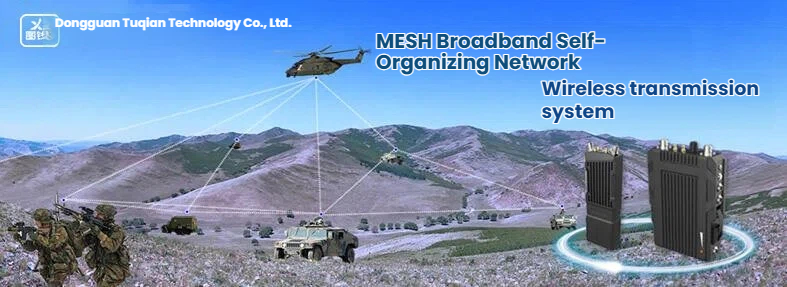
① There is no central control. In wireless ad hoc networks, there is no strict control center. All nodes are equal in status, which is a peer-to-peer network. Nodes can join and leave the network at any time. The failure of any node will not affect the operation of the entire network, and it has strong anti-destruction capability.
② Self-organization. Wireless ad hoc networks can quickly establish a mobile communication network at any time and any place without the support of existing information infrastructure. This is the biggest difference from conventional communication networks.
③ Multi-hop routing. In wireless ad hoc networks, each network node plays multiple roles; they can be either terminals or servers, and also act as routers.
④ Dynamic network topology. In wireless ad hoc networks, network nodes move in the network at any speed and in any direction. At the same time, affected by various factors such as changes in the transmission power of wireless devices, interference between wireless channels, and terrain, the network topology formed by wireless channels between network nodes may change at any time, and the way and speed of this change are unpredictable. This will place higher demands on routing protocols.
⑤ Temporary. Wireless ad hoc networks are established for a specific purpose, such as battlefield communication, field rescue, and dismantled after the application is completed. Generally, they are only temporary.
⑥ The bandwidth of wireless transmission is limited. The physical characteristics of wireless channels themselves determine that the network bandwidth they can provide is much lower than that of wired channels. Moreover, factors such as collisions caused by the competitive sharing of wireless channels, signal fading, noise interference, and interference between channels make the actual bandwidth available to terminals far less than the theoretical value.
Application of wireless ad hoc network equipment technology
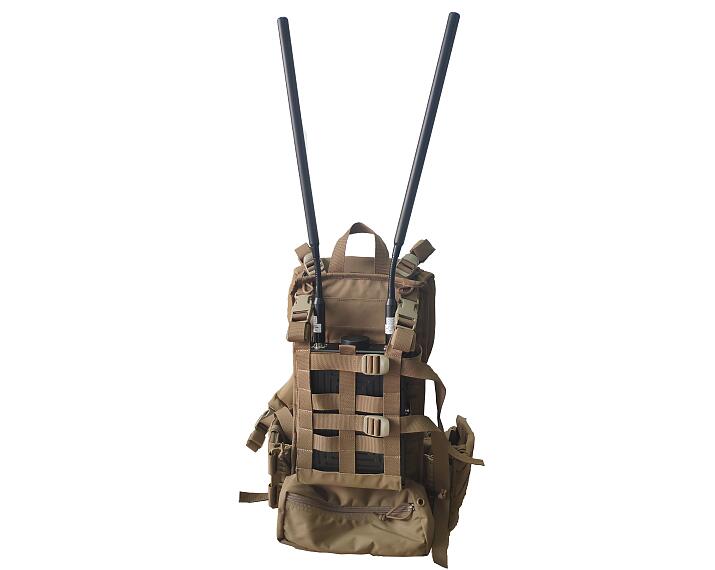
Since its inception, wireless ad hoc networks have undergone decades of development and are increasingly being applied to various military and civilian fields, and they are still rapidly evolving. Wireless ad hoc networks are typically used in situations where existing network infrastructure is either nonexistent or inconvenient to utilize, and their common applications include the following aspects.
① Battlefield communication. Due to its characteristics of no need for network infrastructure, rapid deployment, and strong robustness, wireless ad hoc networks are the preferred technology for digital battlefield communication. It can be utilized on the battlefield to complete tasks such as monitoring friendly forces and equipment, reconnoitering enemy forces and terrain, assessing war damage, positioning and tracking, detecting biochemical attacks, etc. Fleet battle groups that require communication can also establish communication through mobile ad hoc networks, without relying on terrestrial or satellite communication systems. In addition to wartime, wireless sensor networks can also be utilized in peacetime to detect enemy intrusions through the classification and analysis of sound and vibration signals, thereby protecting national security.
② Emergency communication. In the wake of disasters such as earthquakes, floods, and severe tropical storms, fixed communication network facilities may be destroyed or unable to function normally. For emergency rescue and disaster relief, wireless ad hoc networks, a network technology that does not rely on any fixed network facilities and can be rapidly deployed, are needed.
③ Environmental monitoring. In network scenarios such as wildlife protection, soil monitoring, and atmospheric monitoring, there are issues such as a large number of nodes, a wide variety of data, huge data volume, and extensive monitoring areas. Multiple monitoring nodes form a wireless ad hoc network to achieve the goal of constructing a large-area autonomous network at low cost. Then, through a gateway, it connects to the public network to monitor the environment without the need to lay and maintain a large amount of infrastructure.
④ Space exploration. Achieving comprehensive coverage of infrastructure in space is an unachievable task. The existing satellite communication methods have poor scalability and cannot meet the bandwidth demands of civilian services on a large scale. By utilizing wireless ad hoc networks between nodes and combining the store-and-forward opportunistic routing mode, mobile communication functions can be realized during space exploration.
⑤ Industrial field. In fields such as coal mining and petrochemicals, where flammable and explosive issues exist, wireless sensor networks can be utilized to collect data in hazardous environments, enabling the detection of abnormal alarms in real-time. This improves the accuracy and speed of responding to dangerous situations, thereby reducing casualties. Additionally, in the modern manufacturing industry, workers are attempting to install corresponding sensor nodes from production lines to complex machinery and equipment, in order to constantly monitor the operational health of the equipment, identify problems early, and address them promptly. This effectively reduces losses and lowers the incidence of accidents.
⑥ In the medical field, sensor networks within wireless ad hoc networks also have certain applications in healthcare, providing great convenience for doctors.
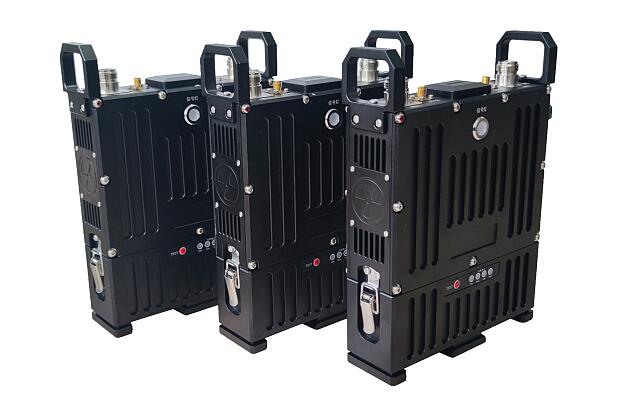
Wireless ad hoc networks not only exhibit strong adaptability to various harsh environments, but also, due to their high adaptability to application environments, have expanded their application scope to various scenarios such as disaster relief, environmental protection, military affairs, industry, healthcare, and scientific exploration. Therefore, research on wireless ad hoc networks and related technologies not only brings convenience to our lives and holds significant social and economic importance, but also greatly benefits China's people's livelihood and military capabilities. Hence, research on wireless ad hoc networks and related technologies is extremely important and meaningful.