

What Is an IP Mesh Radio and How Does It Work?
2025-10-24


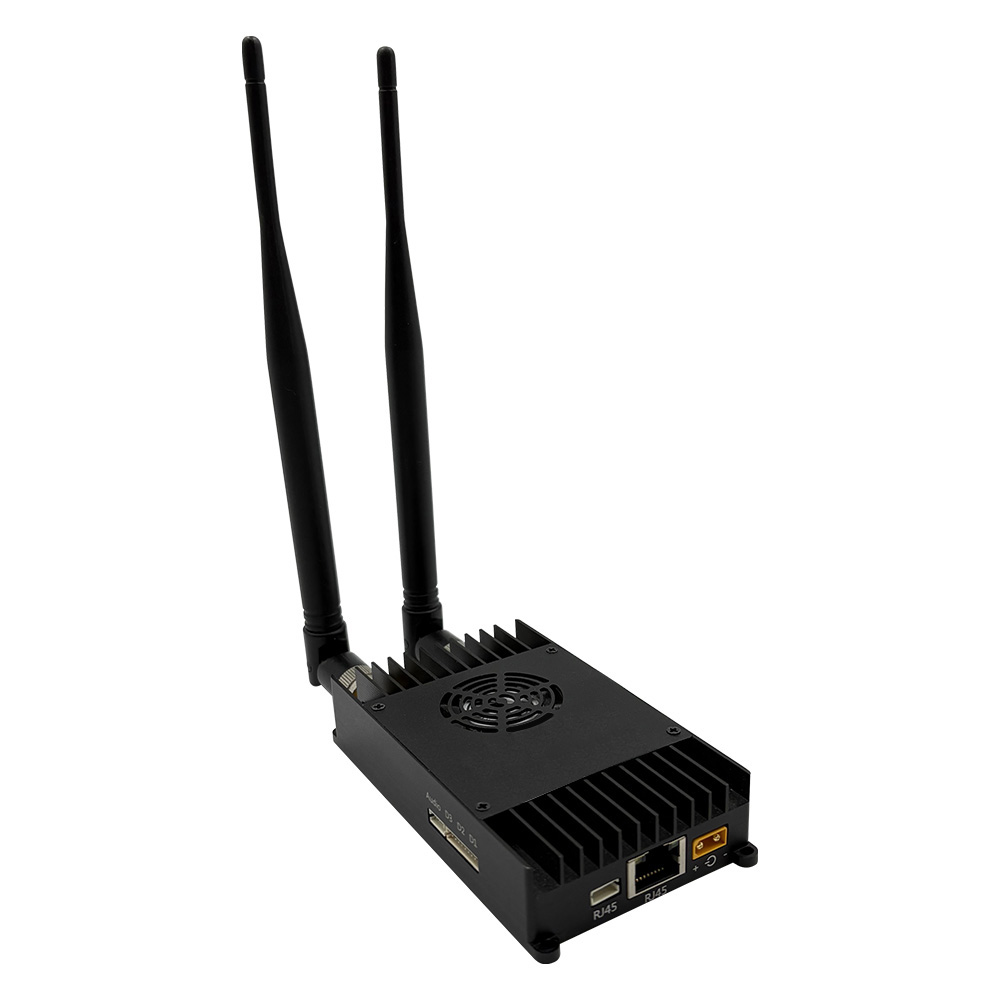
Wireless bridge is a commonly used wireless monitoring transmission device in the field of wireless surveillance. Although it is also a wireless device like wireless AP and wireless router, it is not used to establish Wi-Fi coverage but to transmit video data wirelessly. Just like switches in wired surveillance, wireless bridges are important transmission devices in wireless surveillance and are widely applied in two major areas: outdoor video transmission and elevator video transmission. There are various types of wireless bridges available in the market, countless in number. How to choose a bridge that suits your needs? We will answer this for you from the following aspects.
① Transmission distance
The transmission distances required for wireless monitoring projects vary. The transmission distances of wireless bridges also come in different types. Some can cover a distance of 1 to 3 kilometers, some 3 to 5 kilometers, some 5 to 10 kilometers, and some even over 30 kilometers. It is necessary to determine based on the transmission distance of the monitoring. It is advisable to make the maximum transmission distance of the bridge greater than the monitoring distance, because in actual application environments, factors such as rain, fog, and snow can cause the transmission performance of the bridge to decline. During the engineering construction, sufficient performance margin should be reserved.
② Transmission bandwidth
The transmission rates of wireless bridges vary, such as 150Mbps, 3000Mbps, 450Mbps, 600Mbps, 900Mbps, etc. The choice of which rate to use can be determined based on the requirements of wireless monitoring. What users actually need to consider is the transmission performance of the bridge at a specific distance, rather than the theoretical bandwidth data. For example, the theoretical transmission bandwidth of the TQ-5723IP bridge is 866Mbps. At a distance of 5 kilometers, the point-to-point transmission bandwidth measured is up to 400Mbps, and it can handle 25 200W cameras without any problem.
③ Working frequency
The working frequencies of wireless bridges mainly include two types: 2.4G and 5.8G. The characteristics of these two types of bridges are different. Generally speaking, the 2.4G wireless bridge is currently the mainstream frequency band, with good compatibility, good diffraction ability, but relatively poor anti-interference ability. Especially in urban areas, it is prone to interference from other WiFi devices emitting wireless signals. The 5.8G channel is relatively pure, has better anti-interference ability, and has a long transmission distance. However, its diffraction ability is poor. For urban areas, busy areas, long-distance transmission, cameras with large data streams, and more interference from 2.4G, choose the 5.8G wireless bridge. For others, such as shorter transmission distance, more remote locations, less co-frequency interference, etc., use the 2.4G wireless bridge.
④ Antenna
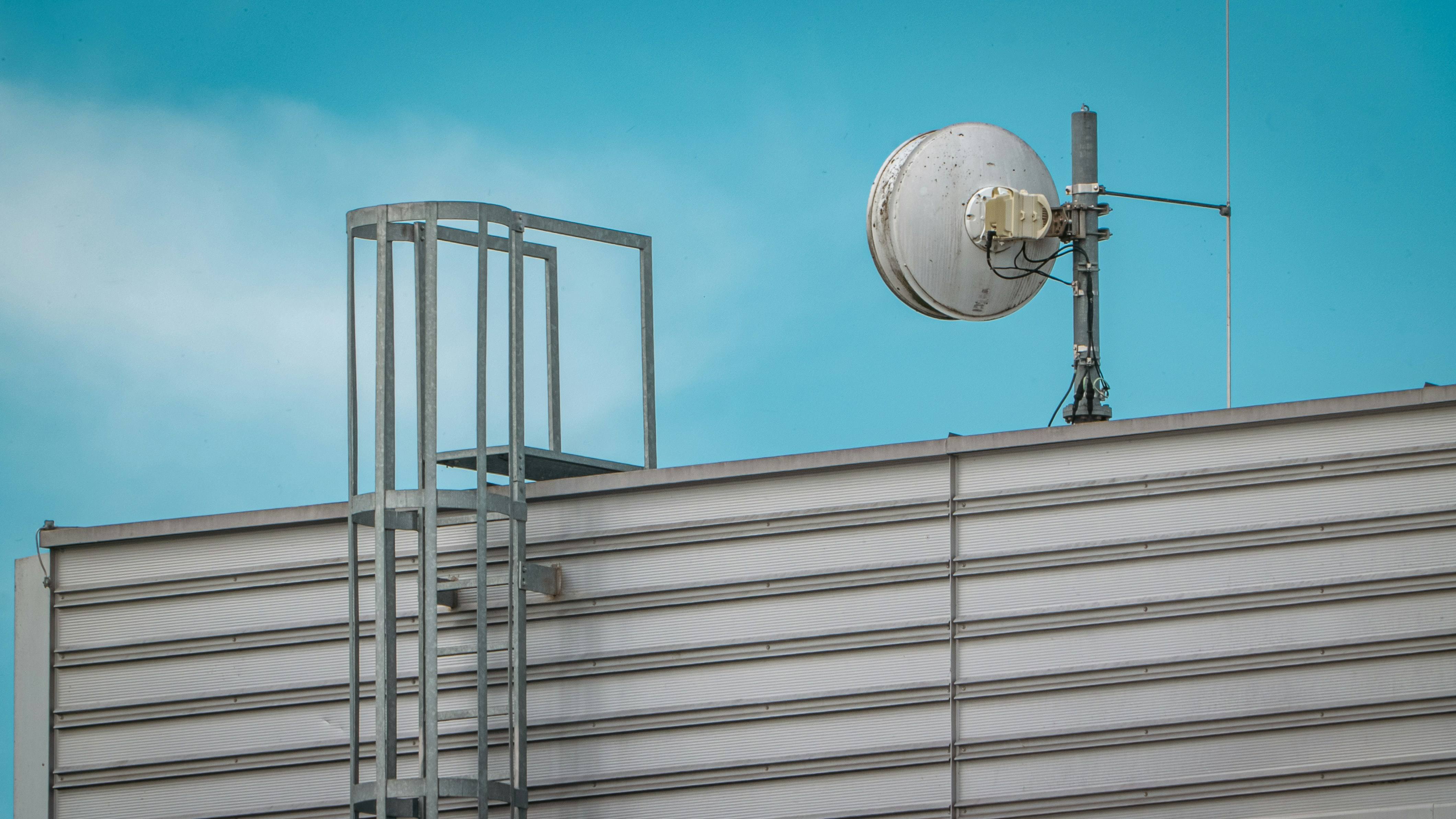
The antenna is an important component of a wireless bridge, used for transmitting and receiving wireless signals. Without an antenna, a wireless bridge cannot achieve communication. There are many types of antennas, including omnidirectional antennas and directional antennas. Omnidirectional antennas are used for close-range coverage and transmission, while for long-distance bridging, directional antennas should be selected and the greater the antenna gain, the better the performance of the wireless bridge.
⑤ Power supply mode
The working environment of wireless bridges usually involves some complex outdoor conditions, such as forests, ports, tunnels, reservoirs, etc. Therefore, power supply is a rather troublesome issue. Choosing a wireless bridge that supports POE power supply can effectively solve this problem. The bridges from Shenzheng Technology all support POE power supply, and the power supply distance can reach up to 50 meters.
⑥ Level of protection
Wireless bridges are mostly used outdoors and the environment is often changeable, such as rain, snow, high temperature, etc. The primary requirements are waterproofing, dustproofing, heat resistance, and anti-condensation. For a qualified wireless bridge, these "qualities" are essential.