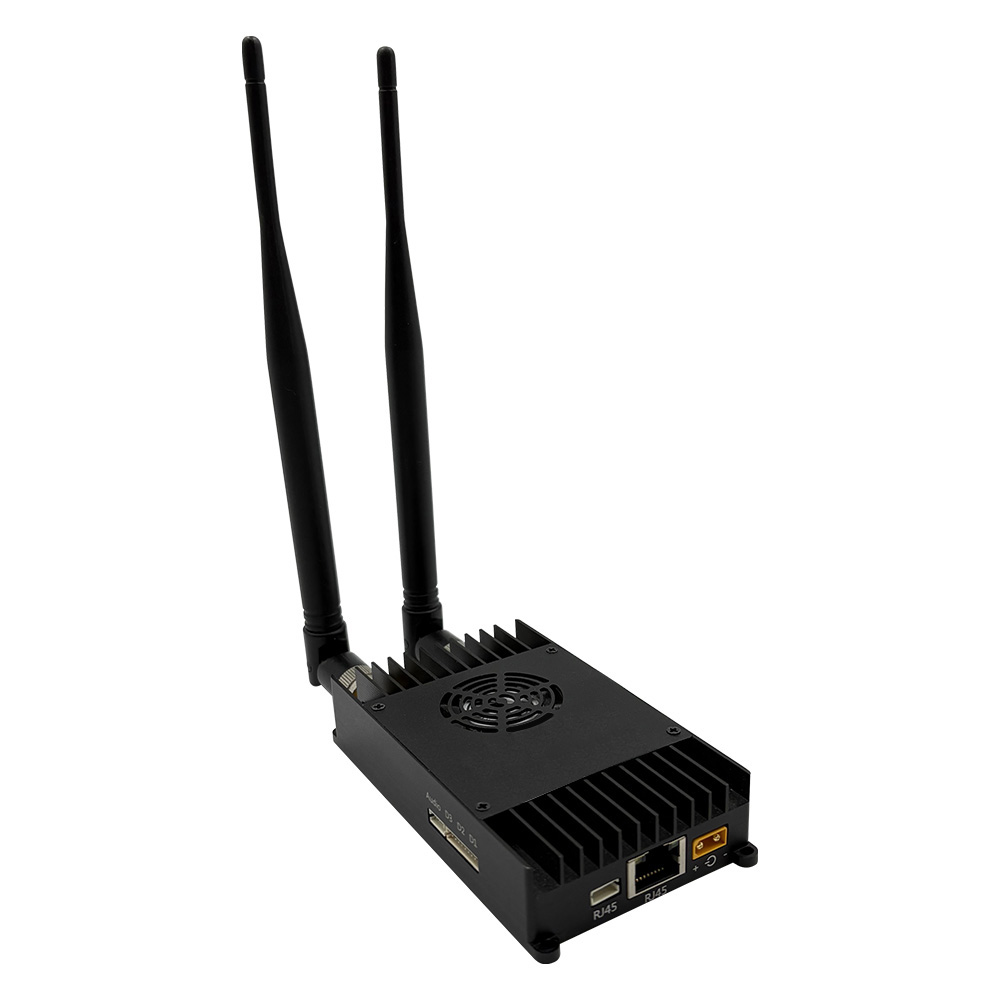


What Is an IP Mesh Radio and How Does It Work?
2025-10-24


Elevator communication networking and urban wide-area wireless coverage are important links in smart cities and building intellectualization. tqwifi has developed the Economical Elevator Series and Base Station Type Telecommunication Series for targeted needs, adapting to the low-cost wireless communication needs of elevator scenarios and the wide-area, high-capacity wireless coverage needs respectively. By virtue of high cost performance and high adaptability, they have become exclusive wireless communication solutions for various scenarios.
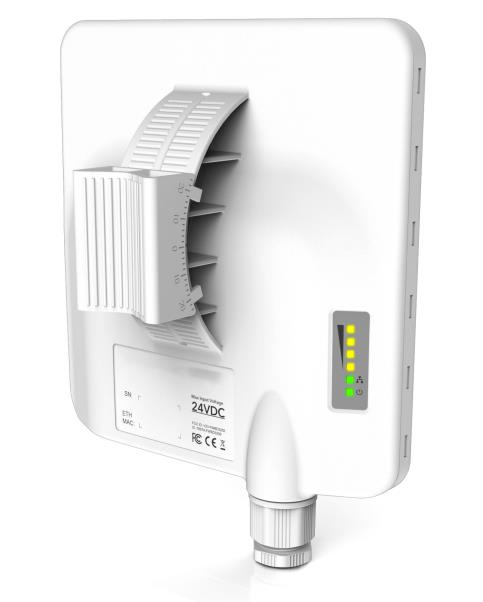
Economical Elevator Series
Economical Elevator Series - Exclusive Wireless Communication Solution for Elevator Scenarios
The Economical Elevator Series is a cost-effective product series specially developed by tqwifi for wireless communication inside elevators and in elevator shafts, solving the industry pain points of difficult wiring, signal shielding and easy equipment damage in elevator scenarios, with core characteristics as follows:
1. High Adaptation to Elevator Working Conditions: Aiming at the characteristics of closed elevator shafts, metal shielding and mobile equipment with elevators, it adopts a special radio frequency design to ensure signal penetration and stability, realizing the continuous transmission of monitoring, intercom and data in elevators;
2. Economical and High Cost Performance: On the premise of meeting the basic communication needs of elevators, the product design is optimized to control costs while ensuring equipment reliability, adapting to the large-scale deployment of various elevators in residential quarters and commercial buildings;
3. Convenient Installation and Maintenance: The product is small in size, supporting wall-mounted and embedded installation, adapting to the narrow space of elevator shafts. It also features low power consumption and no frequent maintenance, reducing the later operation cost;
4. Anti-Interference and Anti-Dropout: Aiming at the changes in the electromagnetic environment during elevator operation, it has an anti-interference design to ensure that the equipment does not drop out and data is not interrupted, guaranteeing the normal operation of elevator monitoring and emergency intercom.
Base Station Type Telecommunication Series - Core Support for Wide-Area Wireless Coverage
The Base Station Type Telecommunication Series is a professional base station-type wireless communication device developed by tqwifi for wide-area wireless coverage and high-capacity node access. As the core node of the wireless communication network, it undertakes the important functions of signal coverage, data transfer and node management. Its core technologies and advantages are reflected in four aspects:
1. Wide-Area Signal Coverage: Adopting a high-gain radio frequency design, a single base station can achieve a wide range of signal coverage, and at the same time support multi-base station collaborative networking to form a wireless communication network with seamless full-domain coverage;
2. High-Capacity Node Access: It supports the simultaneous access of a large number of wireless terminals, adapting to the networking needs of multiple devices and multiple nodes in smart cities, industrial parks and large parks, ensuring no network congestion and efficient data transmission;
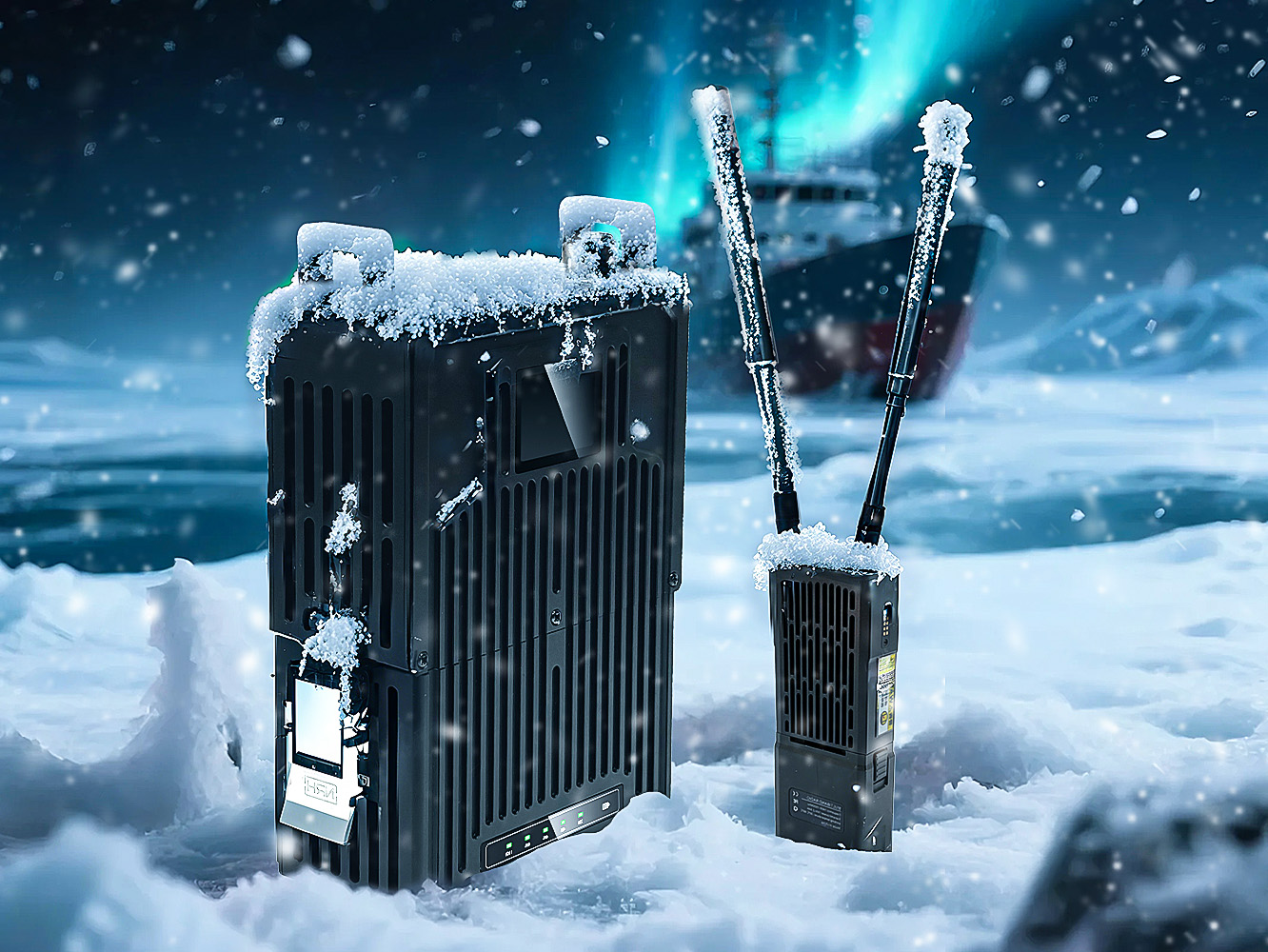
3. High Stability and Reliability: With military-grade design standards, it has waterproof, dustproof, lightning protection and anti-electromagnetic interference characteristics, and can run stably outdoors for a long time. As the core base station of the wireless communication network, it guarantees the overall reliability of the network;
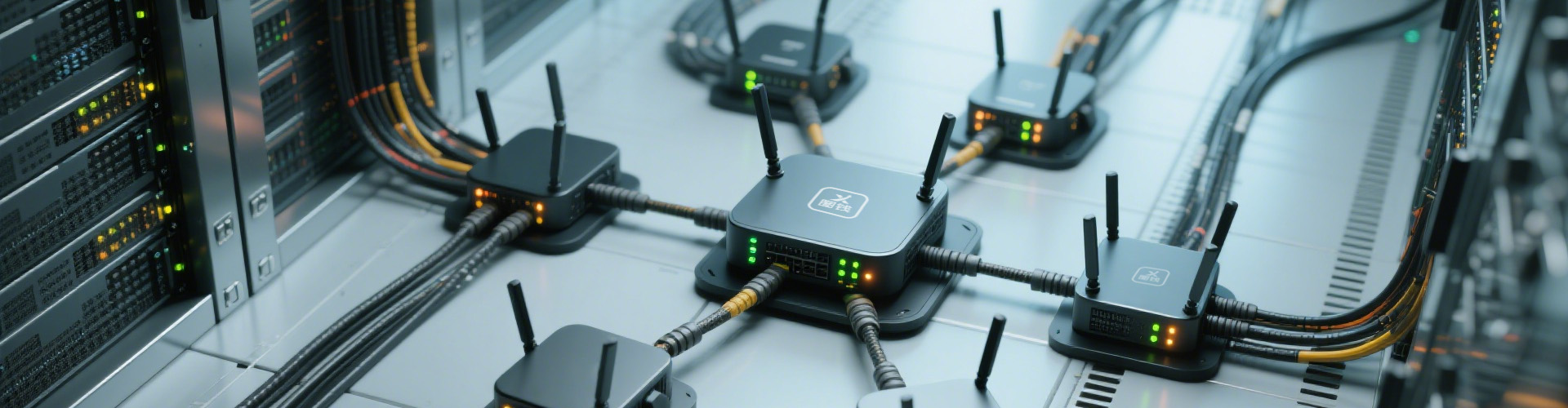
4. Flexible Networking Adaptation: It can be seamlessly connected with tqwifi's MESH ad-hoc network equipment, wireless network bridges and 5GHz High Data Rate Series, supporting dynamic networking and self-healing network functions. When a node fails, it will automatically adjust to ensure the network is not interrupted.
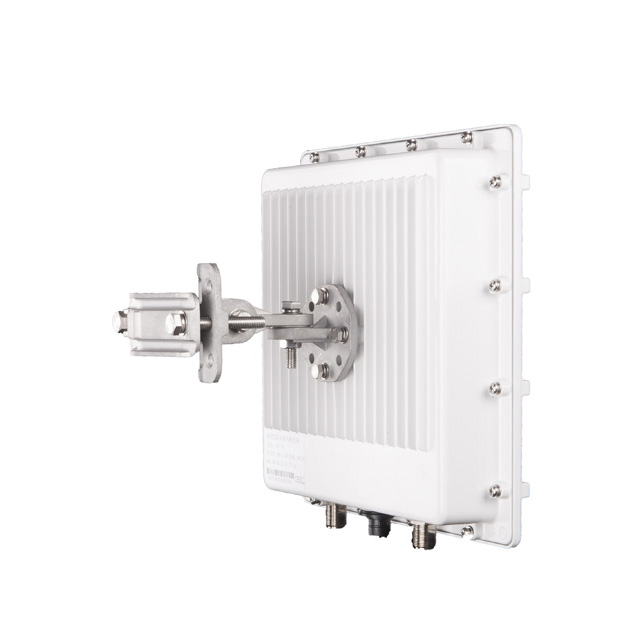
Base Station Type Telecommunication Series
Typical Application Scenarios of the Two Series
Typical Applications of Economical Elevator Series
•Wireless backhaul of monitoring video and emergency intercom communication for elevators in residential quarters and commercial buildings;
•Equipment data transmission and personnel positioning information upload for freight elevators in industrial plants;
•Wireless networking for security monitoring and equipment status monitoring of elevators and escalators in rail transit.
Typical Applications of Base Station Type Telecommunication Series
•Smart City: As an urban wireless communication base station, it provides signal coverage and data interaction for terminals such as street lamps, environmental monitoring and charging piles;
•Industrial Park: Realizing full-domain wireless coverage of the park to meet the networking needs of industrial equipment, inspection terminals and monitoring equipment;
•Public Security: Quickly building temporary base stations in emergency communication scenarios to achieve wide-area coverage of on-site command, video backhaul and personnel positioning;
•Ports/Mining Areas: Providing a wide range of wireless communication coverage for port cranes, mining equipment and inspection personnel to ensure real-time data interaction.
Scenario-Based Service Capabilities of tqwifi's Products
tqwifi provides full-process scenario-based services for the two series of products, relying on the core advantages of full-scenario product coverage and one-stop technical support to provide customers with full-process services from scheme design to deployment and debugging:
1. For elevator scenarios, exclusive networking schemes can be customized according to the number of elevators and building structure, and the equipment deployment position can be optimized to ensure full signal coverage;
2. For the Base Station Type Telecommunication Series, base station networking schemes can be designed according to the coverage range and number of nodes to achieve seamless signal coverage and efficient network operation;
3. All products provide long-term technical maintenance to ensure the stable operation of equipment throughout its life cycle.
Dongguan Tuqian Precision Manufacturing Co., Ltd. is a high-tech enterprise specializing in the manufacturing of communication equipment, located in Dongguan City, Guangdong Province, a region with a well-developed manufacturing industry. The company integrates R&D, production and sales, and is committed to providing high-reliability and high-precision communication equipment components and system solutions for military, aerospace, electronic countermeasures and other fields.