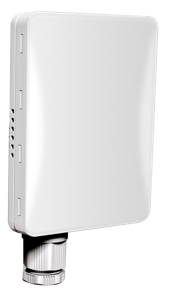


What is meant by lightning protection grade?
2025-11-08


At present, the share of mobile surveillance in the consumer market is still relatively small compared to traditional CCTV or DVR systems. It mainly complements the traditional fixed monitoring devices such as CCTV. By integrating wireless transmission devices, CCTV can expand its application scope. Currently, many applications utilize IP cameras to transform CCTV from a centralized device model to a decentralized one. As a result, many applications can be generated. For example, vehicle monitoring systems and remote monitoring on PDAs.
Due to the rapid rise of 4G networks and other handheld devices, the demand for mobile surveillance and the feasibility of related technologies have increased. As a result, IP Cameras, vehicle-mounted surveillance systems, handheld device surveillance systems, and related network-based central management and monitoring systems have gradually gained attention in the market. Moreover, the rise of biometric technology has further enhanced mobile surveillance capabilities, and related applications have emerged as well. The application scope of mobile surveillance has gradually expanded, and intelligence has become one of its core technologies. It should have the functions of saving storage space in mobile devices and intelligent alarm systems, that is, to start recording surveillance videos only when the target is detected.
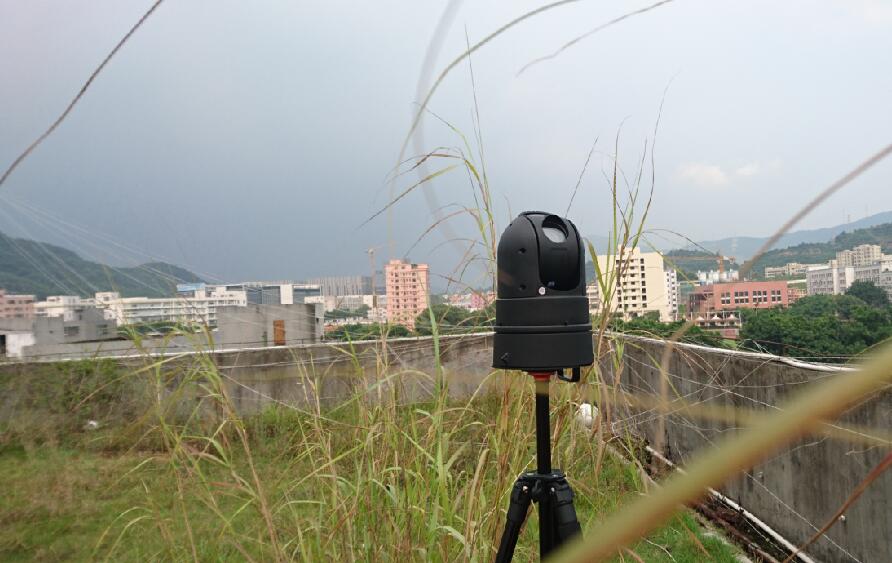
In terms of the application of mobile video surveillance in the field of traffic safety, the users of mobile surveillance include government agencies, large companies, senior management, security professionals, handheld device industries, network ISP providers, and automotive security equipment manufacturers, etc. Particularly, the field of traffic safety is more suitable for using mobile video surveillance technology.
In intelligent transportation systems, the real-time traffic information dissemination system is a crucial component. Real-time traffic information encompasses aspects such as road conditions, the arrival times of public transportation vehicles, and so on. The service recipients include pedestrians and drivers. The most important aspect of road traffic is real-time road conditions, which can be obtained through traffic flow statistics and road condition cameras. In urban areas or on highways, the camera end can adopt a wired transmission solution, but on suburban roads, provincial and county roads, after considering distance factors, a wireless solution may be more appropriate. In the field of road traffic safety, the current practice mostly adopts a wired solution. However, traffic control and traffic police cannot always be present in the monitoring room, so a mobile monitoring solution can be used as an auxiliary to fixed-point monitoring. In addition to the monitoring center being able to receive video from the monitoring points, patrol personnel can also receive the videos from each monitoring point through mobile carriers to monitor road traffic and safety.
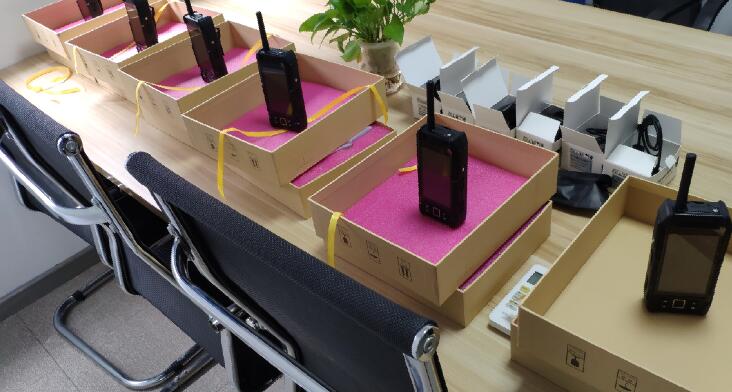
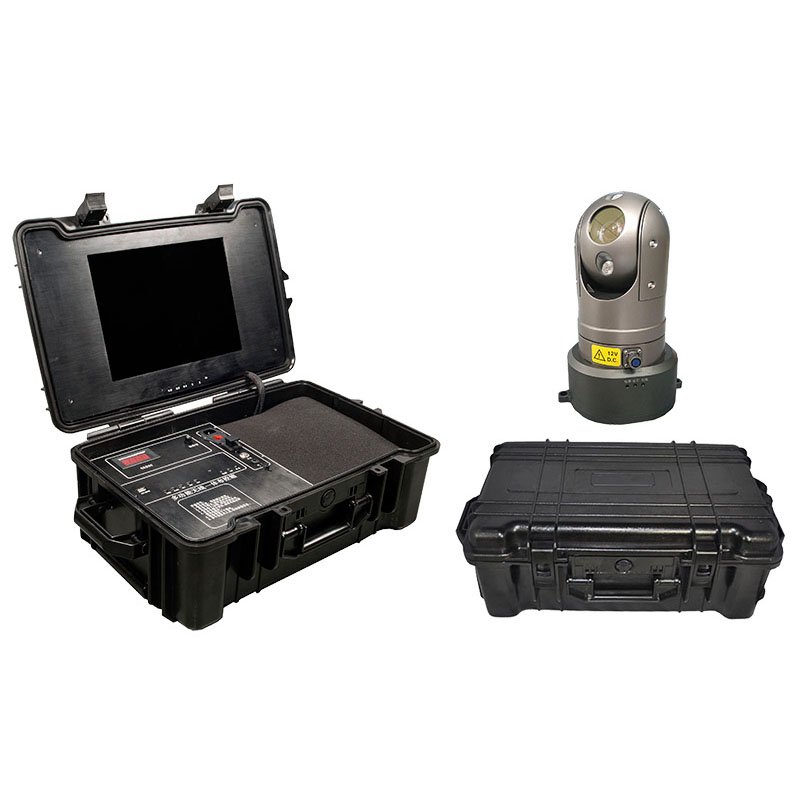
Public security traffic police conduct on-site command and handle major traffic accidents. When encountering major traffic accidents, the public security authorities use handheld or vehicle-mounted mobile video sources to transmit the real-time situation of the scene (incident) to the indoor command center and digital storage devices, making it feel as if one were present on the scene. This facilitates the leaders' forward command for handling and investigation and evidence collection. Especially in some areas with harsh natural conditions, where it is inconvenient to enter, or in some mass incidents, its effectiveness is more prominent. At the same time, it can overcome some shortcomings of fixed-point monitoring, such as a narrow viewing range and the tendency to be exposed.
Real-time alerts and immediate detection enable the law enforcement departments to respond promptly. For traffic violations and illegal acts on the roads, merely recording videos in the central control room can only serve as post-event evidence and cannot allow users to take effective actions immediately. In such cases, a mobile monitoring system with real-time intelligent alerting capabilities would be a better choice. Additionally, if traffic police, traffic supervision officers, or road inspection personnel are equipped with mobile video receiving terminals, the law enforcement efficiency will be significantly improved.
In some large-scale road construction sites, traffic engineering construction command and supervision can utilize mobile monitoring technology to replace the on-site temporary command center. The commanders and supervisors do not need to wear safety helmets or go deep into the construction site. They can simply stay indoors and have a clear understanding of the construction situation, thereby reducing risks and improving efficiency.