

What Is an IP Mesh Radio and How Does It Work?
2025-10-24


In fact, installing monitoring equipment is one of the most important tasks in the process of monitoring installation. If the installation method is proper, it can save a lot of time and make the installation process enjoyable and effortless.
First
To ensure a successful installation, the following preparations should be made:
I. Personnel Preparation: Generally, for the front-end, two people should work together; for the back-end, one person is sufficient. It is necessary to prepare walkie-talkies to facilitate communication and debugging.
II. Check whether all the equipment is complete and allocate the equipment to be installed according to the installation drawings. The type and size of the camera lenses, the installation positions of switches and optical fiber transceivers, etc., must all be matched accordingly.
III. Prepare the necessary installation tools. As the saying goes, one must have the right tools for a good job. Different types of cameras require different tools. Carry these small tools in a small toolkit with you. Preparing these tools is the guarantee for a smooth installation. For example, some camera screws are very small and unique. You need to modify the small screwdriver or wrench to turn it into a power tool. This way, you can achieve twice the result with half the effort.
Secondly
Before installing the equipment, check the circuit and signals to ensure they are correct.
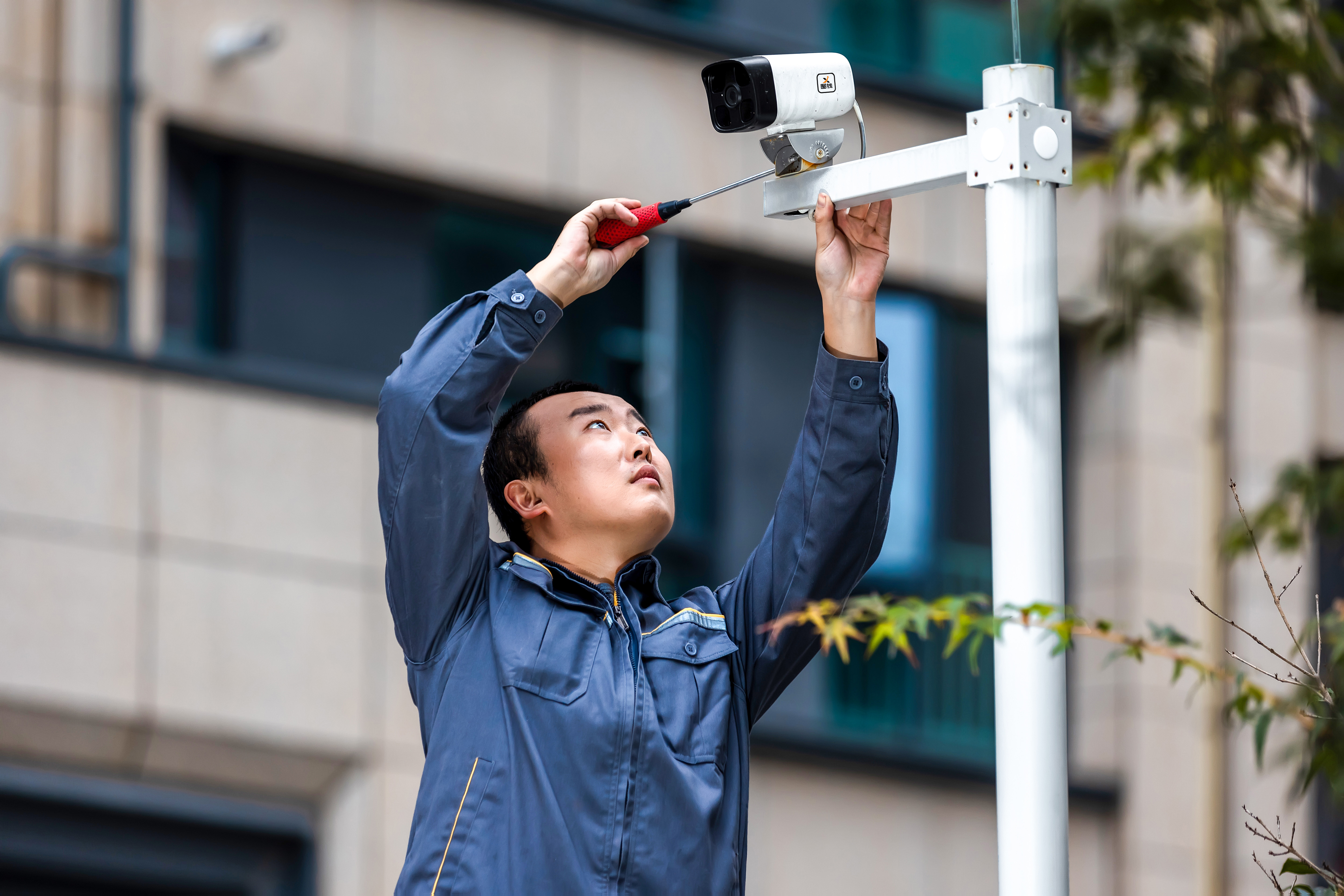
Assuming the line connection is normal, install the rear-end equipment and the transmission communication devices first. Then install the camera. When installing the camera, be careful. Before installation, check if the support is firm, whether the connection of the waterproof box's connectors is correct, and if the power connector is stable. For the camera installation, a relatively accurate direction is sufficient at first. (If the installation environment is complex, you can use Engineering Tools to directly adjust the direction of the lens). After all the cameras are installed, before powering on the system, recheck to see if there are any omissions. Ensure safety before powering on.
Finally
Equipment debugging:
Debugging is originally a very simple task. However, if it is not done properly, it can cause trouble for future maintenance. The most basic requirement is to present the images clearly. It is essential to properly organize and record the data. For example, in a network monitoring system, the IP address of each camera must be recorded. The IP address should preferably be a continuous sequence of numbers; each camera should have a unique name. Use a table to match the camera name, IP address, and location of the camera. This way, if there is a problem with the monitoring, it will save a lot of time in searching for which camera is causing the issue, as there is no need to consider the location of the camera. Just glance at the table and you will understand.
The installation of monitoring equipment may seem like a simple task, but without experience or a clear mindset, it can consume a lot of time.
The above are the basic tasks of equipment debugging in our video surveillance construction. As the saying goes, it seems simple, but actually implementing a good project is really not that easy.