

News Center
-
2025-09-05Wireless networks have revolutionized the way businesses, institutions, and communities connect across distances. While wired connections like fiber optics and Ethernet cables are still common, wireless solutions offer flexibility, scalability, and cost-effectiveness, especially in challenging environments. Among wireless networking technologies, point-to-point and point-to-multipoint networks are widely used for connecting remote locations. Understanding the differences between these two types and their applications is essential for designing reliable and efficient networks. -
2025-08-29What Are the Two Types of Microwave Transmission?
Microwave transmission is one of the most vital technologies in modern communication systems. It refers to the use of high-frequency electromagnetic waves, typically ranging from 1 GHz to 300 GHz, for the purpose of transmitting data, voice, and video signals over long distances. Due to their high frequency and short wavelength, microwaves are able to carry large amounts of data at very high speeds, making them ideal for applications such as satellite communication, television broadcasting, military communications, and wireless broadband. -
2025-08-18Multi-Node MESH Networking: Principles and Real-World Applications
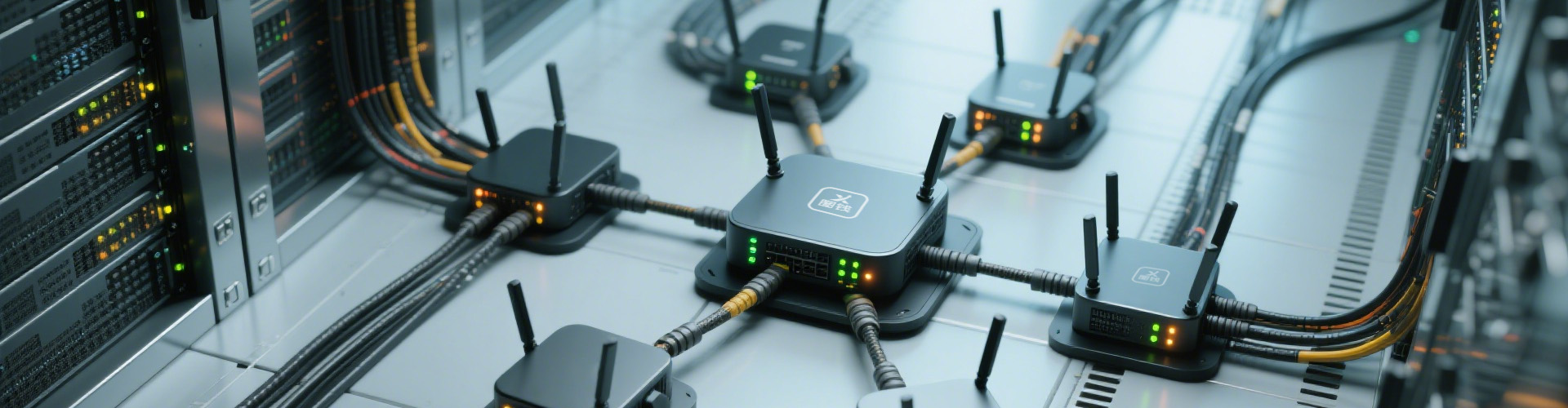
Multi-node MESH networking refers to a decentralized wireless communication system where each node (device) connects to multiple neighboring nodes, forming a web-like topology. Instead of relying on a central base station or controller, nodes operate cooperatively, sharing routing responsibilities and dynamically forwarding data to the correct destination through multiple possible paths. -
2025-07-30What Is the Difference Between Radio and Microwave Video Transmission?
In the world of wireless communication, radio waves and microwaves are two foundational technologies that form the backbone of modern communication systems. Both play crucial roles in transmitting information across distances, but they operate differently in terms of frequency, range, bandwidth, and application. Understanding the distinctions between radio and microwave transmission is essential for selecting the right technology in fields like defense, broadcasting, telecommunications, and unmanned systems. -
2025-07-24Unmanned Aerial Vehicle Transmission Equipment Communication Solution
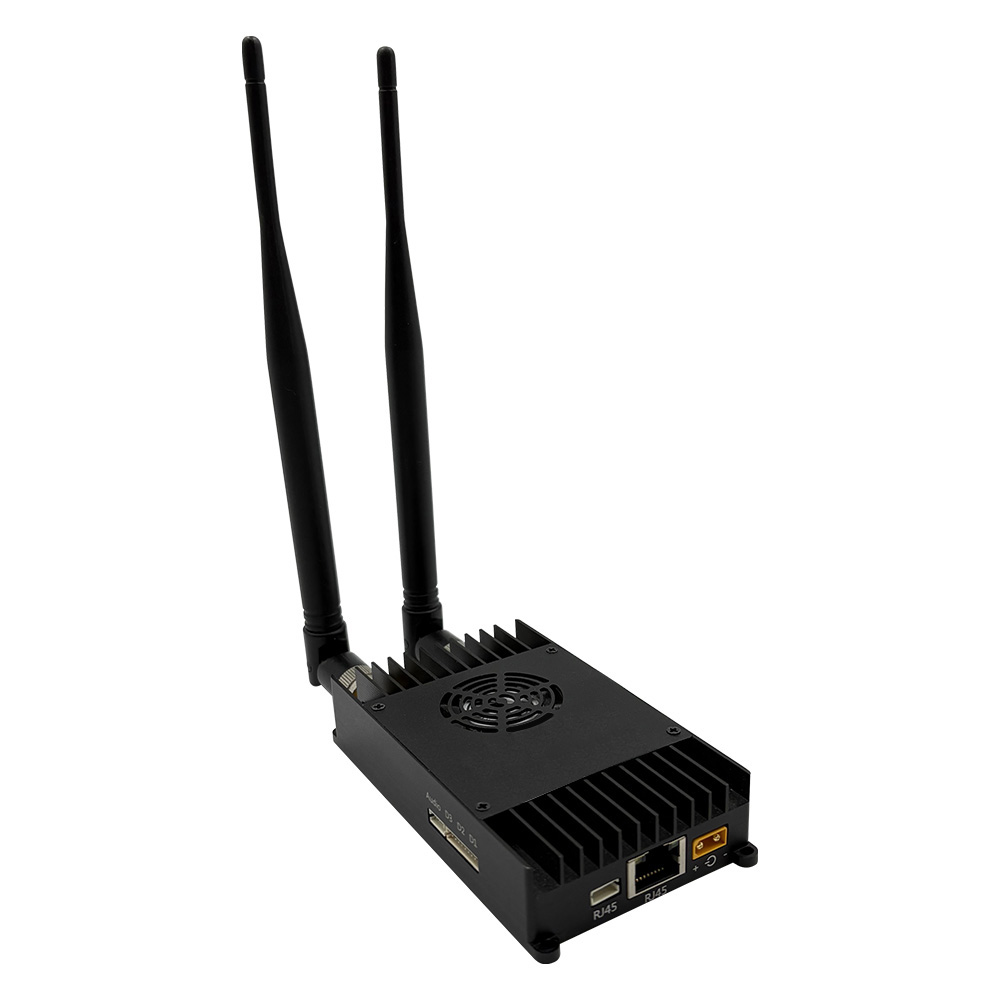
TuQian Wireless is a leading provider of industrial and tactical wireless communication equipment. With deep expertise in video transmission, mesh networking, and mobile signal systems, TuQian develops advanced UAV transmission solutions tailored to high-stakes applications. -
2025-07-22Analysis of Anti-UAV Technology Equipment
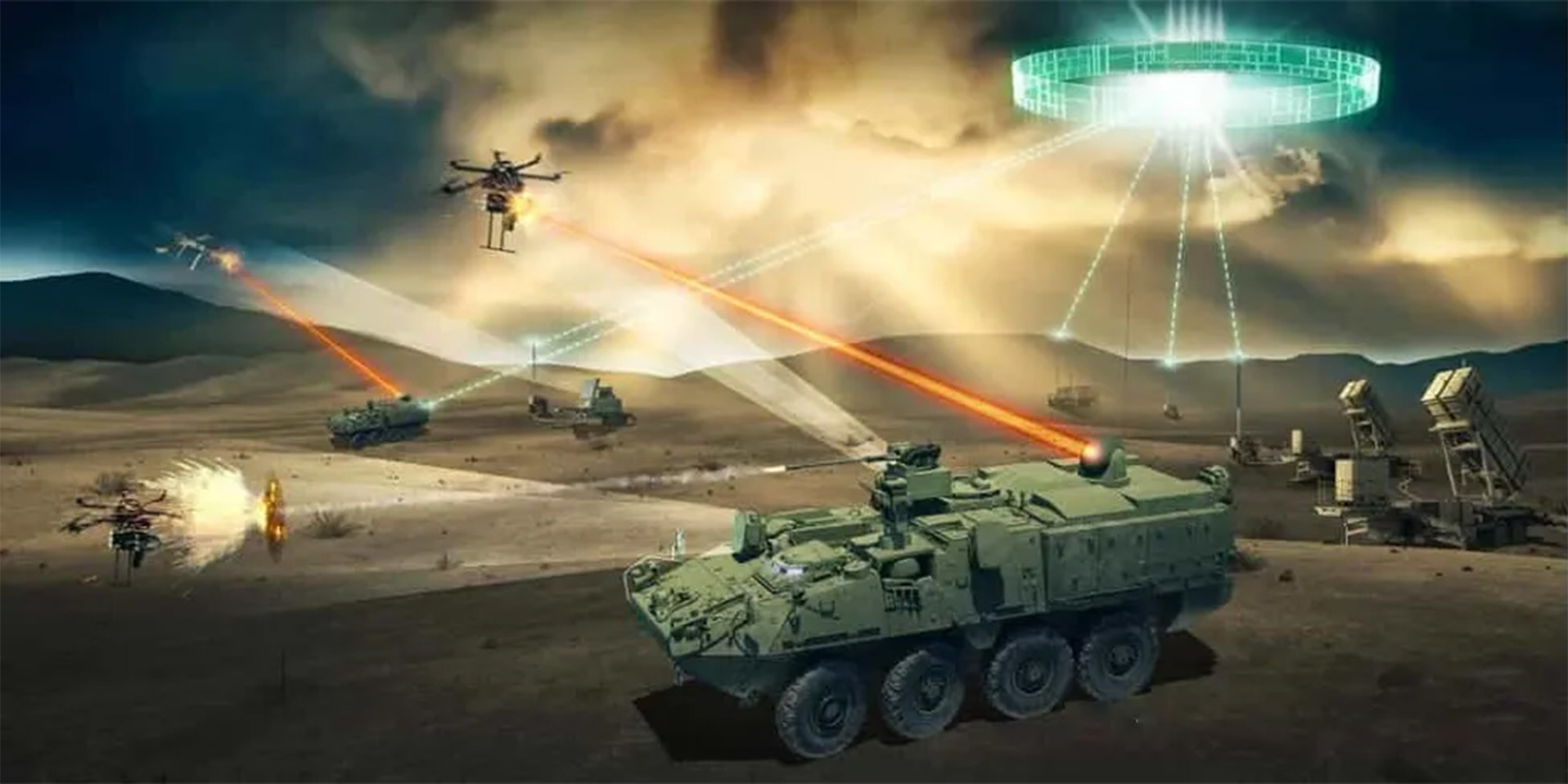
In recent years, the rapid development of drone technology has enabled its wide application in military reconnaissance, civilian aerial photography, logistics transportation, etc. However, it has also brought about potential risks such as privacy leakage and airspace security threats. Unauthorized drones invading sensitive areas, disrupting aviation order, and even carrying out malicious attacks occur frequently, making anti-drone technology a key area of research and deployment for various countries. Anti-drone equipment uses detection, identification, interference, interception, etc. to build a low-altitude defense system to cope with increasingly complex drone threats. This article aims to analyze the main types, working principles, and development trends of current anti-drone technologies, discuss their application and challenges in actual combat, and provide references for research in related fields. -
2025-07-22How do drone swarms "make phone calls"? Unveiling the black technology of self-organizing networks
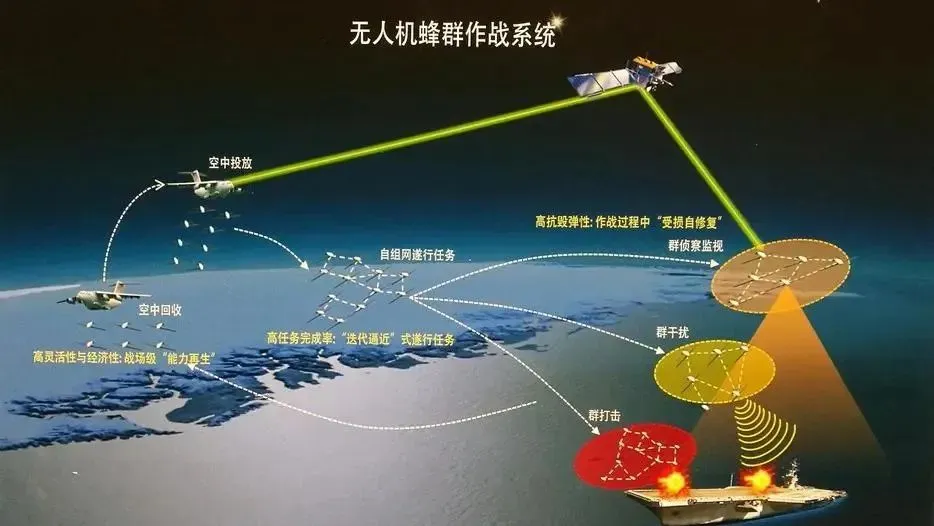
Imagine hundreds of drones flying around in the sky. How do they communicate with each other? Without base stations or Wi-Fi, what do they rely on to exchange information? The answer is a cutting-edge technology called "ad hoc networking" - just like a swarm of bees, each drone can automatically find its companions and form an intelligent network without the need for a queen bee to direct them! -
2025-07-15Self-Organizing Network Equipment Procurement FAQ
Self-organizing networks (also known as MESH networks or ad hoc networks) are increasingly used in industrial monitoring, emergency communications, smart cities, and drone swarm systems. As demand grows, so does the number of inquiries from businesses and system integrators looking to procure the right equipment.