

What Is an IP Mesh Radio and How Does It Work?
2025-10-24


In modern emergency response, every second counts. The emergency command and dispatch radio system is the key to efficient communication at disaster sites, accidents, and emergency scenes. This article is intended for beginners, introducing how to achieve 3-minute rapid networking, along with practical operation suggestions and industry best practices.
Emergency command and dispatch radio is a communication system used for real-time coordination among rescue teams, police, and medical units. Unlike public communication networks, this type of radio can operate independently at disaster sites or when networks are down.
Core advantages:
High reliability: Still functions in extreme environments
Rapid deployment: Suitable for emergencies
Direct communication: Supports encrypted calls to ensure information security
In emergencies such as earthquakes, floods, or fires, communication delays can affect rescue efficiency. Traditional radio networks typically take tens of minutes or even longer to set up. Modern portable command and dispatch radio systems, through pre-configuration and automatic networking functions, can significantly shorten deployment time.
Equipment | Function | Description |
Portable base station | Core communication hub | Battery-powered, mobile deployment |
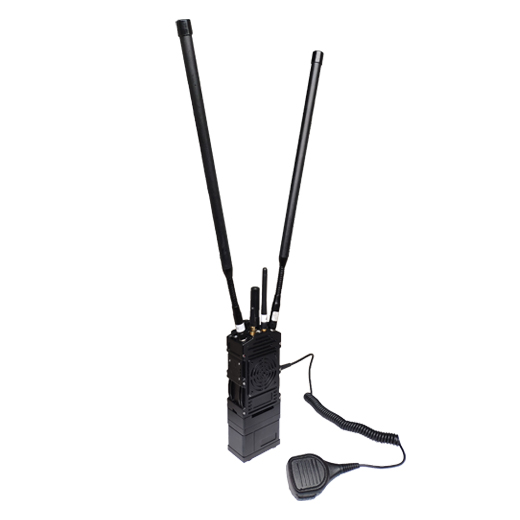
Handheld radio | On-site communication | Supports preset frequencies and encryption |
Signal amplifier | Coverage extension | Optional, used according to terrain |
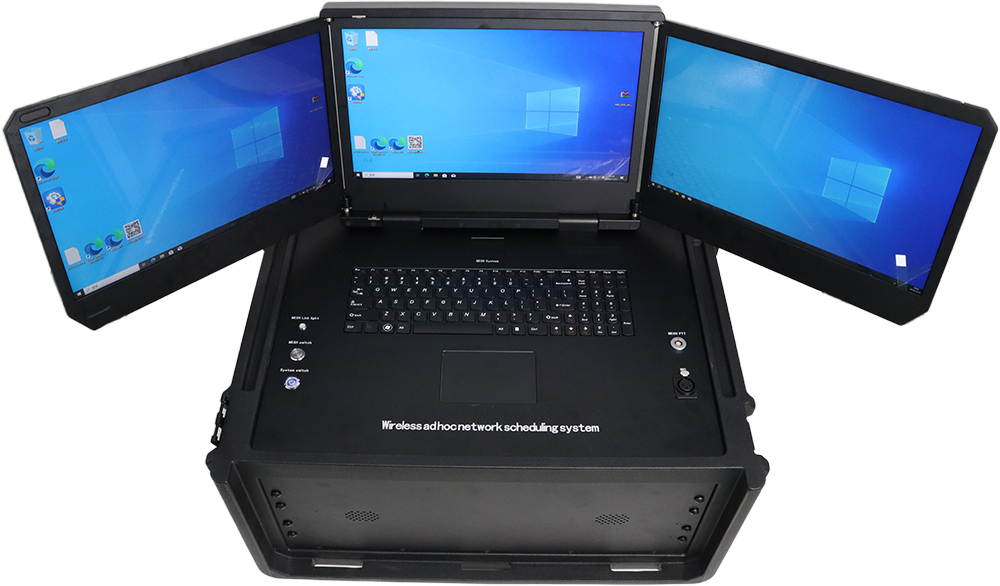
Network management software | Automatic networking and monitoring | Pre-installed templates |
Backup power supply | Ensures continuous communication | Portable battery or power bank |
Power on the portable base station
Automatically detect and connect handheld radios
Load preset channels and network configurations
Test voice communication and signal coverage
Connect all field units
Monitor network status in real time and adjust signals if necessary
Recommendation: Improve deployment speed and proficiency through regular drills.
Pre-configure equipment: Set frequencies, templates, and user permissions in advance
Regular drills: Ensure the team is proficient in operation procedures
Power management: Carry backup batteries and power banks
Environmental adaptation: Choose whether to use signal amplifiers based on terrain
Significantly saves emergency response time
Improves on-site command and team collaboration efficiency
Ensures communication continuity and reduces the risk of information loss
Supports multi-department collaboration and improves emergency management level
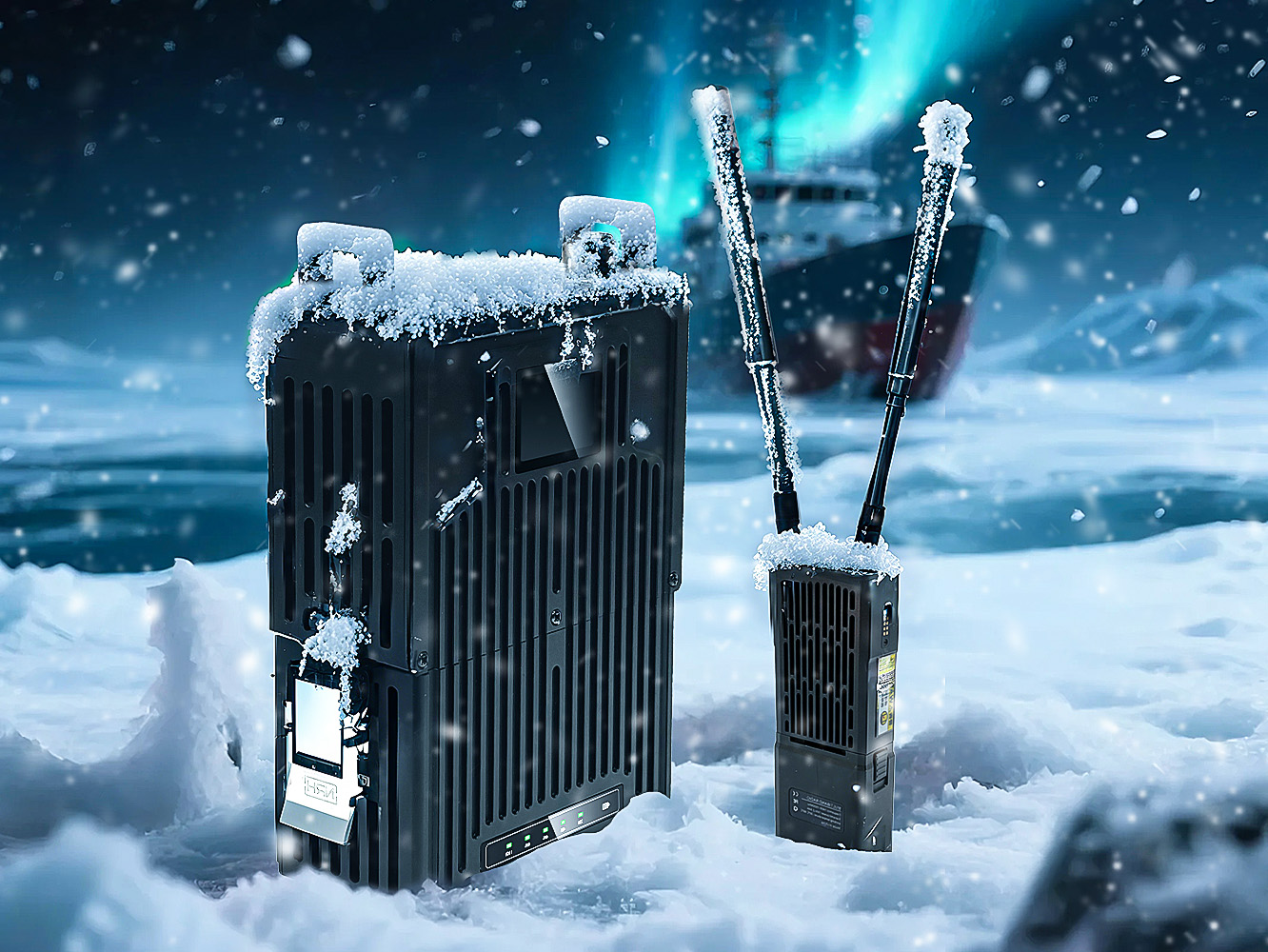
Military-grade reliability: Designed to GJB standards, operates stably in extreme temperatures from -40°C to +65°C, IP67 protection rating.
One-click automatic networking: Pre-set emergency templates; automatically discovers nodes and assigns frequencies after power-on, no manual configuration required on site.
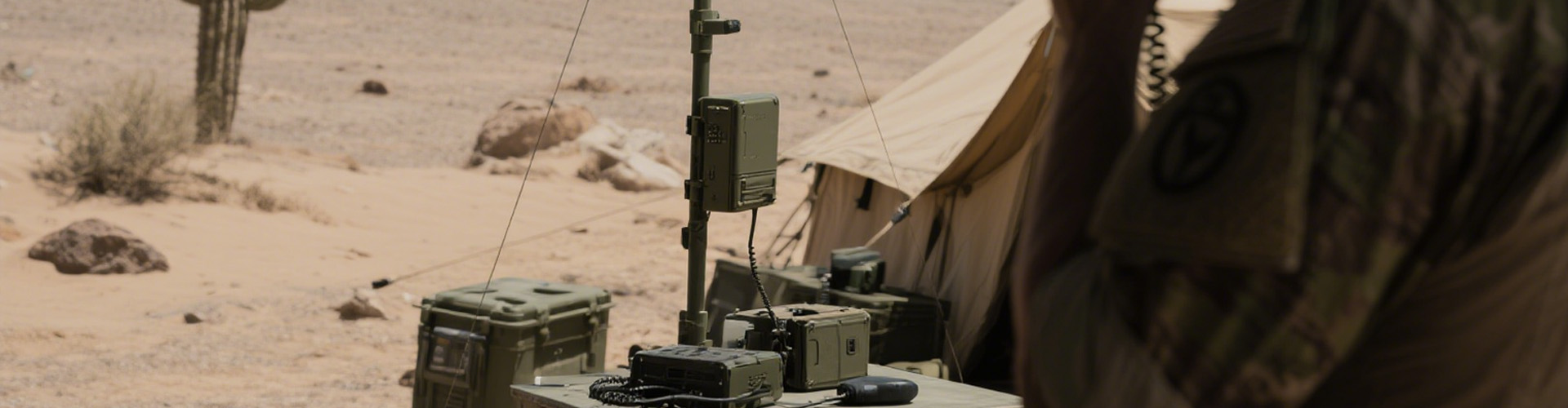
Multi-form flexible deployment: Mixed networking of backpack, handheld, vehicle-mounted, and airborne devices, adaptable to mountainous, urban, maritime, and other scenarios.
Visual command and dispatch: Backend software can display node positions, signal strength, and video feeds in real time, supporting multi-party voice conferences.
Currently procuring emergency communication equipment or organizing drills? Contact the tqwifi technical team.
With modern portable command and dispatch radio equipment, 3-minute rapid networking has become a reality. Through pre-configuration, regular drills, and proper deployment, teams can quickly establish reliable communication networks during emergencies, providing a guarantee for emergency response.
Q1: Can an ordinary walkie-talkie achieve 3-minute rapid networking?
A1: No. Ordinary walkie-talkies lack automatic networking and network management functions. Dedicated emergency radio equipment is required.
Q2: How many people are needed to operate a 3-minute rapid networking setup?
A2: Depending on the equipment model, 2–3 people are typically sufficient to complete the rapid deployment of the portable base station and handheld radios.
Q3: How can we ensure sufficient signal coverage?
A3: Based on the on-site environment, add signal amplifiers or choose a higher-power portable base station, and monitor signals in real time through network management software.