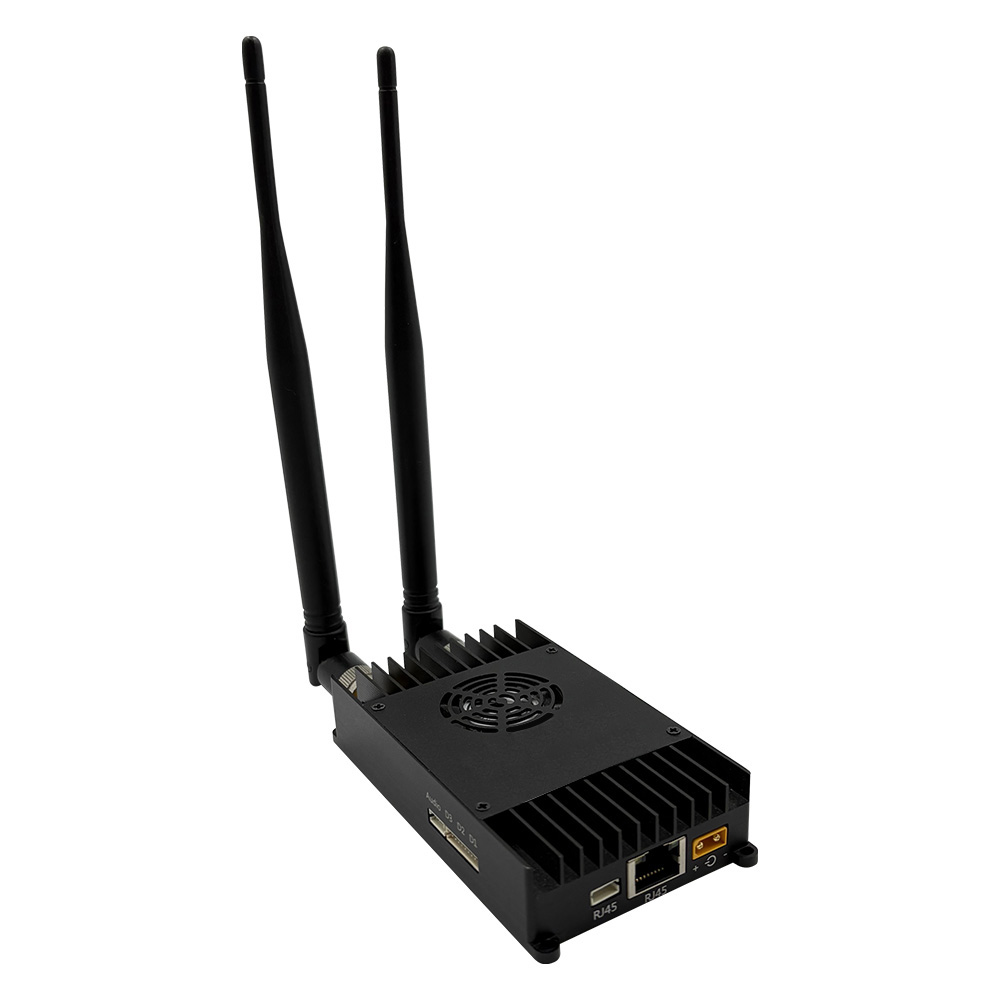


What Is an IP Mesh Radio and How Does It Work?
2025-10-24


In the field of modern communications, IP MESH Radio is becoming a key technology for public safety, broadcasting, and industrial automation. If you have heard the term "IP MESH Radio" but are unsure of its purpose or how it works, this article will help you start from the basics and understand how to deploy it in real-world projects.
IP MESH Radio is a communication system that combines the Internet Protocol (IP) with wireless mesh networking. Unlike traditional radio systems that rely on a central base station, IP MESH Radio forms a decentralized network where each node connects directly with others.
Each node can both send and receive data
Data can be transmitted through multiple node hops
The network is self-healing; the failure of one node does not disrupt overall communication
This structure makes IP MESH Radio highly reliable in emergency response, field operations, and large-scale events. Compared to traditional radio, it is no longer limited by the coverage of a single base station, as every node can act as a relay to extend the signal to farther areas.
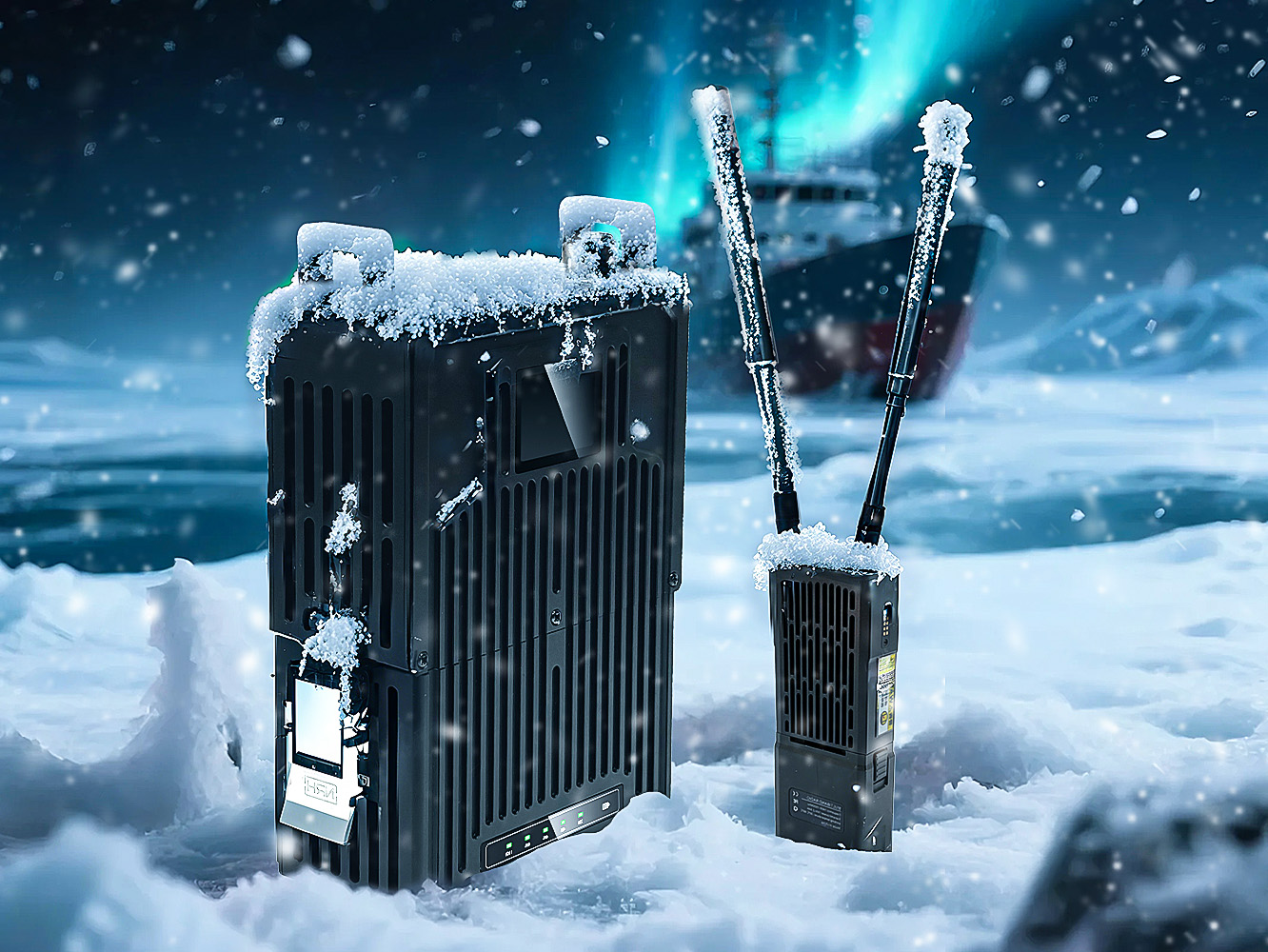
As a professional domestic manufacturer of wireless ad-hoc network equipment, tqwifi has been deeply involved in this field for many years. Its products are widely used in emergency command, public safety, and industrial IoT, offering a full range of MESH solutions from handheld terminals to vehicle-mounted, airborne, and maritime equipment.
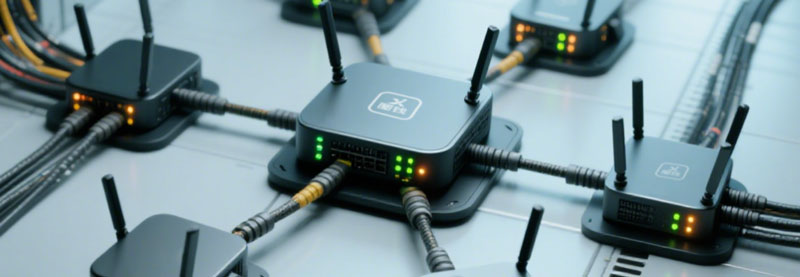
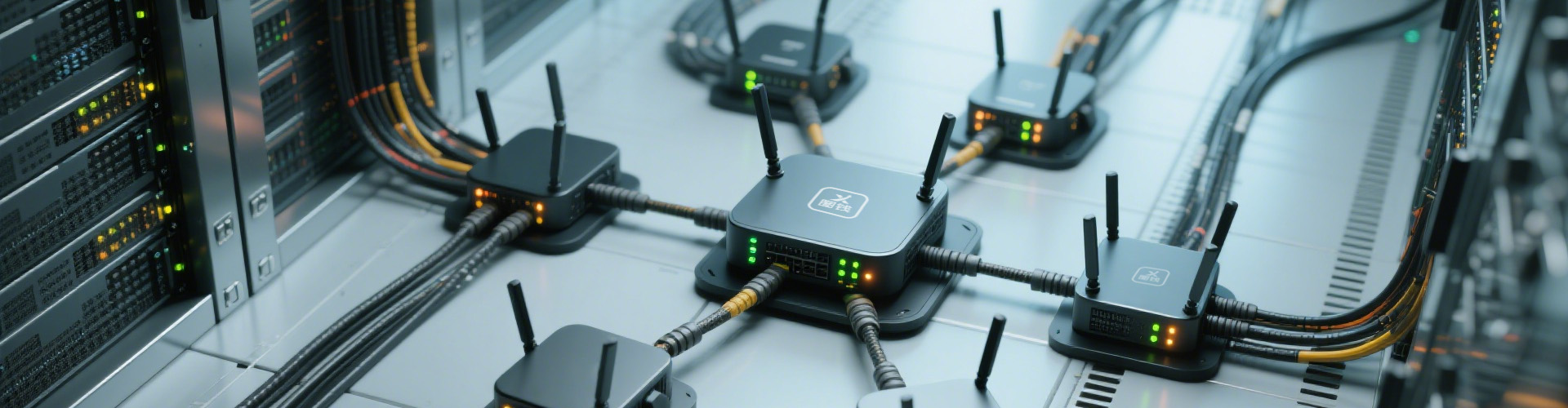
IP MESH Radio — Example Diagram
Feature | Traditional Radio | IP MESH Radio |
Network Structure | Centralized | Decentralized |
Impact of Node Failure | High | Low |
Supported Data Types | Voice only | Voice + Video + Data |
Scalability | Limited | High |
Network Latency | Medium | Low |
The wireless mesh network is the core of IP MESH Radio. Each device (node) acts as both a sender and receiver, forming multiple interconnected paths.
Nodes: Radios or smart devices
Links: Wireless connections between nodes
Routing protocols: Calculate the optimal path for data
When a node in the network needs to send data, it uses the routing protocol to find the best transmission path. If a certain path becomes congested or interrupted, the data is automatically switched to another available path, ensuring uninterrupted communication.
An IP MESH network has self-healing capabilities:
When a node fails, the network automatically detects it
Data is rerouted along the best available path
Communication continues without interruption
This means that even if some nodes fail, the network remains stable. This self-healing capability is especially critical in emergency scenarios—when a device goes offline due to environmental factors or battery depletion, the entire network does not collapse; other nodes automatically adjust routing and continue to provide service.
Technology | Coverage | Reliability | Infrastructure Needs | Typical Applications |
Wi-Fi | Short | Medium | High | Home/Office |
Cellular (4G/5G) | Wide | High | Very High | Public Networks |
IP MESH Radio | Flexible | Very High | Low | Emergency/Industrial |
Suitable for mobile environments such as convoys, drones, and field personnel. Nodes update connections in real time to ensure uninterrupted communication. While traditional Wi-Fi or cellular networks often experience signal fluctuations or handover delays during high-speed movement, IP MESH networks can switch nodes in milliseconds through dynamic routing protocols, ensuring communication continuity while moving.
Supports HD video, GPS positioning, and sensor data, making it ideal for surveillance, broadcasting, and remote operations. One network for multiple uses is a significant advantage of IP MESH—the same network can simultaneously carry voice calls, video feeds, location data, and various sensor information, eliminating the need for separate networks for each service.
Network latency can be as low as 10–50 milliseconds, meeting the demands of real-time video streaming, tactical operations, and remote control. For applications such as drone piloting and remote robot operations, low latency directly determines operational precision and safety.
Single-node coverage range: 1–5 km in urban environments, with multi-hop transmission extending coverage beyond 20 km. In open areas or line-of-sight conditions, the coverage of a single node can be further expanded. Through multi-hop relays, the network can bypass terrain obstacles and extend signals to areas unreachable by traditional base stations.
You can start with a small number of nodes and gradually expand to hundreds without significant infrastructure modifications. This means you can begin with a pilot project using a few nodes, verify the results, and then scale up gradually, reducing initial investment risk.
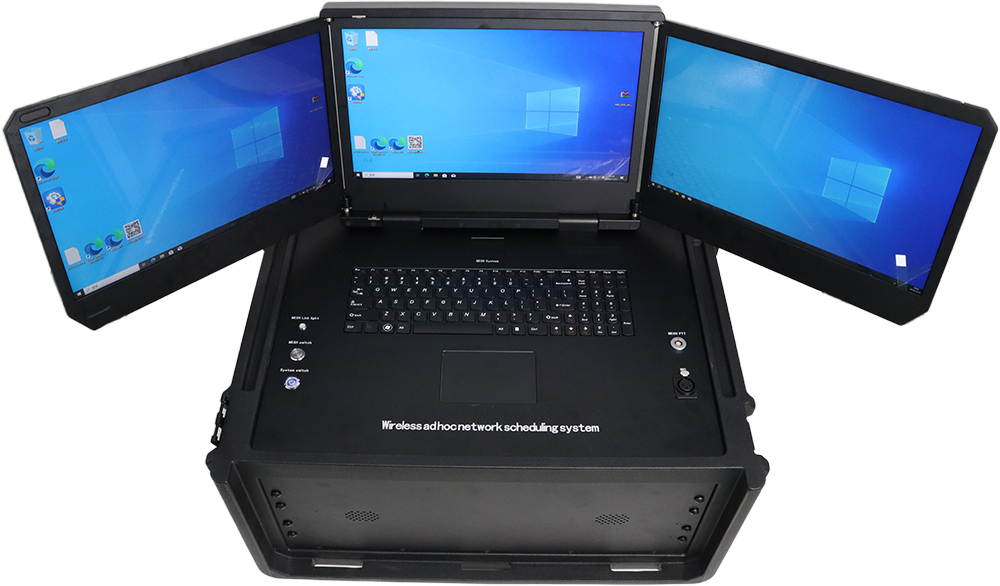
Firefighters, police, and rescue teams rely on IP MESH Radio when traditional networks are unavailable. tqwifi's TQ-7702MT portable three-screen command and dispatch platform enables rapid deployment of a temporary command center on-site, while the TQ-7210MC vehicle-mounted broadband MESH ad-hoc network device installed on emergency command vehicles provides mobile network coverage, supporting video transmission and personnel positioning.
Sports broadcasts and remote news reporting no longer require fiberoptic cabling, reducing deployment time from hours to minutes. tqwifi's TQ-7702MTB portable multifunctional ad-hoc network device delivers wireless video transmission for cameras, streaming HD footage in real time to broadcast vehicles or production centers.
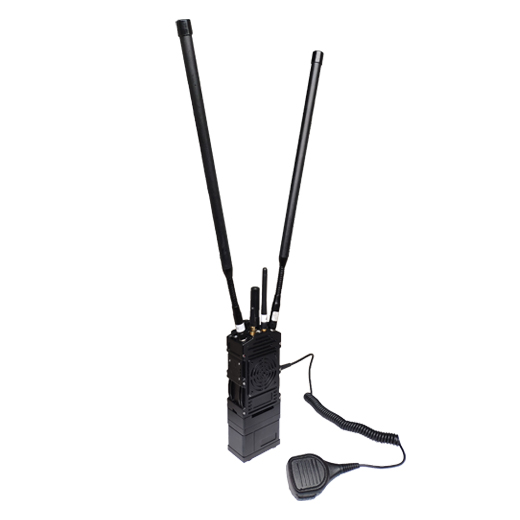
Battlefield environments demand the highest communication reliability. tqwifi's TQ-7305MB portable mesh backpack radio and anti-jamming military tactical network radio ensure stable, encrypted, and rapidly deployable communications even in complex electromagnetic environments.
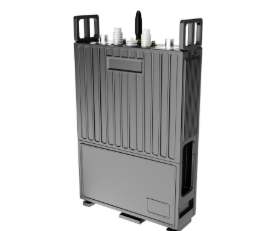
In locations where traditional cabling is challenging—such as mines, tunnels, and ports—tqwifi's TQ-7610MO outdoor base station ad-hoc network device provides coverage underground and in tunnels, while maritime ad-hoc network radios support port and offshore platform communications, enabling personnel positioning, environmental monitoring, and integrated video surveillance.
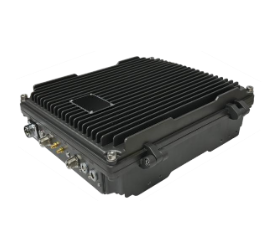
For the scenarios above, tqwifi offers corresponding product solutions. If you would like to learn more about specific model specifications or request a customized deployment plan, please contact the tqwifi technical team.
Dongguan Tuqian Precision Manufacturing Co., Ltd. (tqwifi) is a high-tech enterprise integrating R&D, production, and sales, located in Dongguan City, Guangdong Province, a region known for its advanced manufacturing. The company focuses on providing high-reliability, high-precision communication equipment components and system solutions for the military, aerospace, and electronic countermeasure sectors.
The company is equipped with advanced manufacturing facilities, a rigorous quality control system, and an experienced technical team. It holds ISO9001 quality system certification, and its products comply with EU CE certification and RoHS certification standards. From raw materials to finished products, the entire process is controlled to ensure stable operation even in harsh environments.
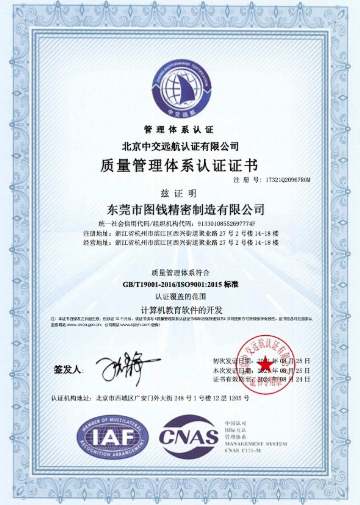
ISO 9001 Quality Management System Certification Certificate
Tqwifi's products are widely used in critical areas such as military communication terminals, command and control systems, electronic reconnaissance, and battlefield communication networks. This high-standard application background gives our MESH equipment inherent advantages in reliability, anti-interference capability, and environmental adaptability.
From handheld terminals to vehicle-mounted, airborne, and maritime equipment, from portable command platforms to underground MESH base stations, tqwifi offers a complete wireless ad-hoc network product line to meet the deployment needs of various industries.
The company has an experienced technical team that provides end-to-end services, from solution design and site surveys to deployment and commissioning, ensuring smooth project implementation.
Summary
IP MESH Radio provides a reliable, flexible, and scalable modern communication solution through decentralized wireless mesh networking, with wide applications in emergency response, broadcasting, industry, and smart cities. Compared to traditional centralized networks, IP MESH offers significant advantages in reliability, deployment flexibility, and multimedia support.
As a professional wireless ad-hoc network equipment manufacturer, tqwifi delivers military-grade reliability, full-scenario product coverage, and rapid deployment capabilities, providing MESH communication solutions for emergency response, public security, energy, and transportation sectors. Whether you are in emergency command, industrial operations, or managing large-scale events, tqwifi offers comprehensive support from equipment selection to on-site deployment.