

What Is an IP Mesh Radio and How Does It Work?
2025-10-24


Drones are transforming industries—from agriculture and public safety to broadcasting and military operations. But one common challenge remains: how to maintain stable long-range communication and high-definition video transmission when drones fly beyond the range of Wi-Fi or cellular networks?
This is whereIP MESH Radio comes in. Unlike traditional point-to-point systems, IP MESH Radio creates a decentralized, self-healing network that enables drones to maintain long-range connectivity even in complex environments. Whether you are a drone operator, public safety officer, or industrial inspector, this guide will help you understand how IP MESH Radio works and how to apply it to reliable drone communication.
IP MESH Radio is a wireless communication technology that combines the Internet Protocol (IP) with a mesh network structure. Simply put, instead of relying on a single base station or satellite link, every device—including drones, ground control stations, and relay nodes—acts as a network node. These nodes connect to each other, forming a flexible and resilient communication web.
For drone applications, this means:
Drones can relay video and data through other drones or ground nodes
If a link is interrupted, the network automatically reroutes data
Coverage extends far beyond the range of a single drone
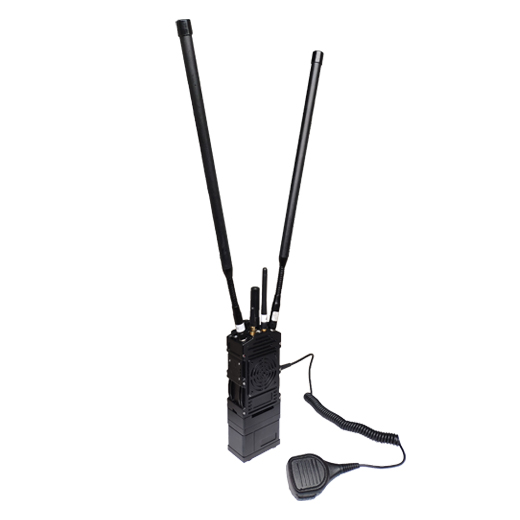
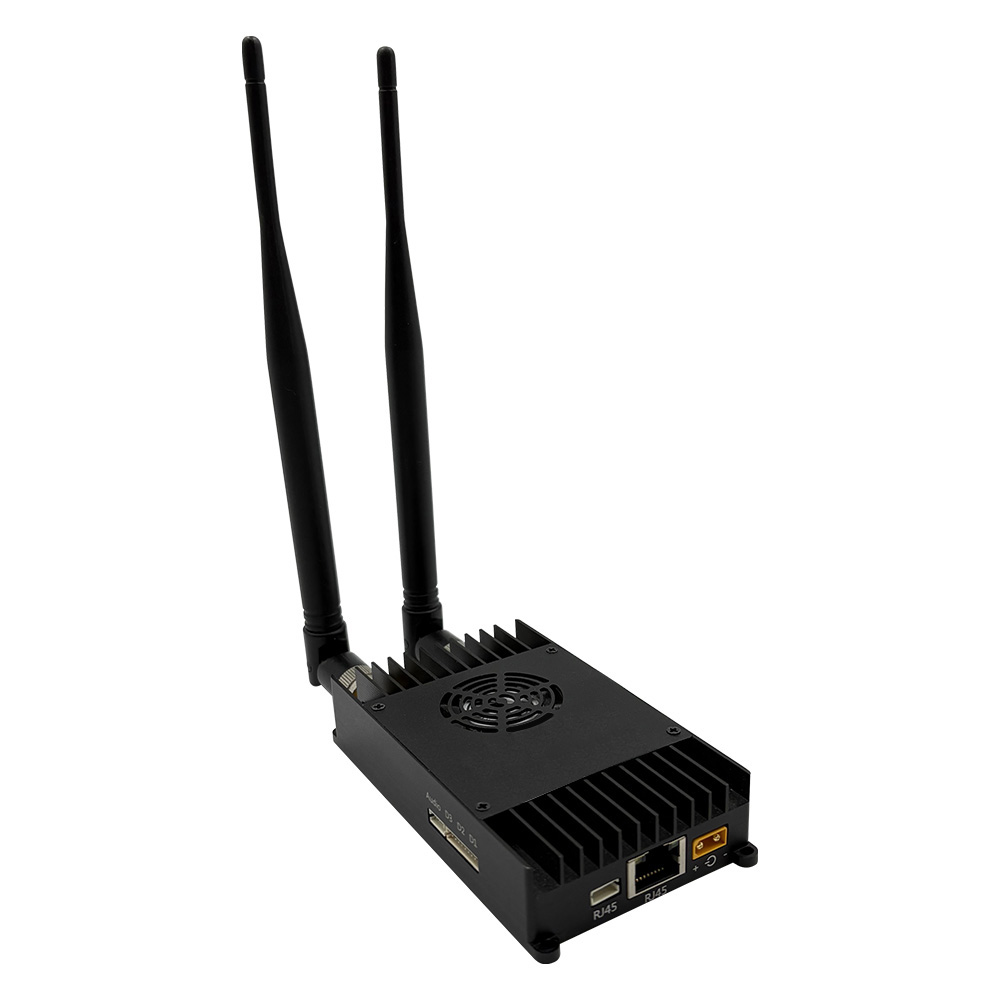
As a professional domestic manufacturer of wireless ad-hoc network equipment, tqwifi has been deeply involved in this field for many years. Its TQ-UAV536 bidirectional broadband UAV link device is specifically designed for drone integration, supporting long-range HD video transmission and remote control commands. It is widely used in public safety, industrial inspection, and military reconnaissance.
tqwifi TQ-UAV536
Limitations of Traditional Drone Communication and IP MESH Solutions
Traditional drone communication methods have their own limitations, making it difficult to meet the demands of long-range and multi-drone collaborative missions. IP MESH Radio systems offer a superior solution:
Comparison | Traditional Communication | IP MESH Radio System |
Wi-Fi | Short range, prone to interference | Unlimited range, multi-hop relay extends coverage |
4G/5G | Relies on base stations, no signal in remote areas | No base station required, ad-hoc network ready to use |
Point-to-Point Radio | Single drone only, cannot scale | Supports multi-drone coordination, flexible network expansion |
Coverage | Limited by single point distance | Drones relay to each other, significantly extended range |
Network Reliability | Single point failure causes communication loss | Self-healing network, one drone disconnecting does not affect overall communication |
Data Transmission | Usually supports only one type of data | High bandwidth, simultaneously carries video, telemetry, and control commands |
Real-Time Performance | Higher latency | Low latency, meets real-time control and live streaming needs |
Mobility Support | Easily disconnected while moving | Drones move freely, network stays connected at all times |
Taking tqwifi's TQ-UAV536 bidirectional broadband UAV link device as an example, it uses advanced MESH technology to support multi-drone collaborative networking. Even in complex environments such as canyons or dense urban areas, it maintains stable connections, ensuring real-time video transmission and smooth remote control.
The Concept of Mesh Networks
Imagine a group of people standing in a field, each holding a flashlight. If one person wants to send a message to someone far away, they can ask the person next to them to pass it along. Each person acts as a relay. This is the core idea of a mesh network.
Each drone or ground node can send, receive, and forward data
The network automatically discovers available nodes
Data travels through the most efficient path
Dynamic Routing and Self-Healing
If a node (such as a drone) flies out of range or runs out of power, the network instantly recalculates the best available path. This dynamic routing mechanism ensures uninterrupted communication. Operators do not need to manually reconfigure anything—the network handles it automatically.
Because the system uses IP protocols, it can carry any type of data: video streams, voice communication, telemetry data, GPS coordinates, and sensor readings. This makes it compatible with standard network equipment and easy to integrate into existing command and control systems.
Long-Range Coverage
A single IP MESH Radio node can extend communication range to several kilometers or even farther through multi-hop relay technology. By using multiple drones or ground nodes as relays, network coverage can be further expanded to meet long-range mission requirements.
For drone operators, video is critical. IP MESH Radio supports high-bandwidth video transmission, enabling real-time monitoring, precise control, and smooth live streaming.
You can start with a simple setup: one drone and one ground station. As mission requirements grow, you can add more drones, ground relays, or portable base stations. The network scales without requiring new infrastructure.
IP MESH Radio systems use advanced modulation techniques and frequency hopping to resist interference. tqwifi's products are widely used in military communication terminals, command and control systems, and electronic countermeasure fields, maintaining stable operation even in complex electromagnetic environments.
Modern UAV MESH radio modules feature lightweight design, ensuring that drone flight time is not significantly affected. tqwifi's UAV MESH modules maintain performance while strictly controlling weight to meet the demands of long-duration flight missions.
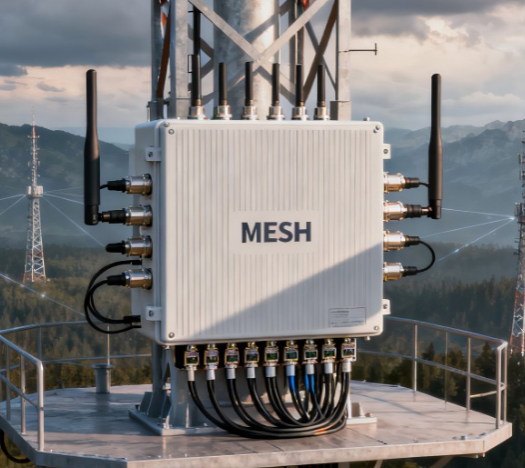
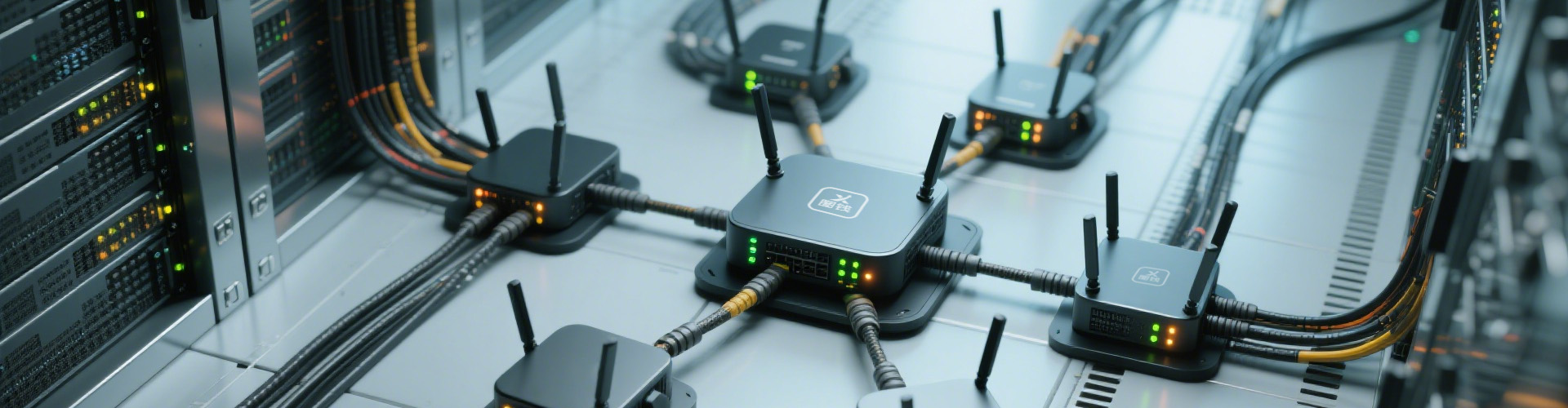
IP MESH Radio — Example Diagram
In emergencies, communication infrastructure is often damaged or overloaded. Drones equipped with IP MESH Radio can be deployed within minutes to establish a temporary aerial network, providing real-time video to command centers and coordinating ground team actions.
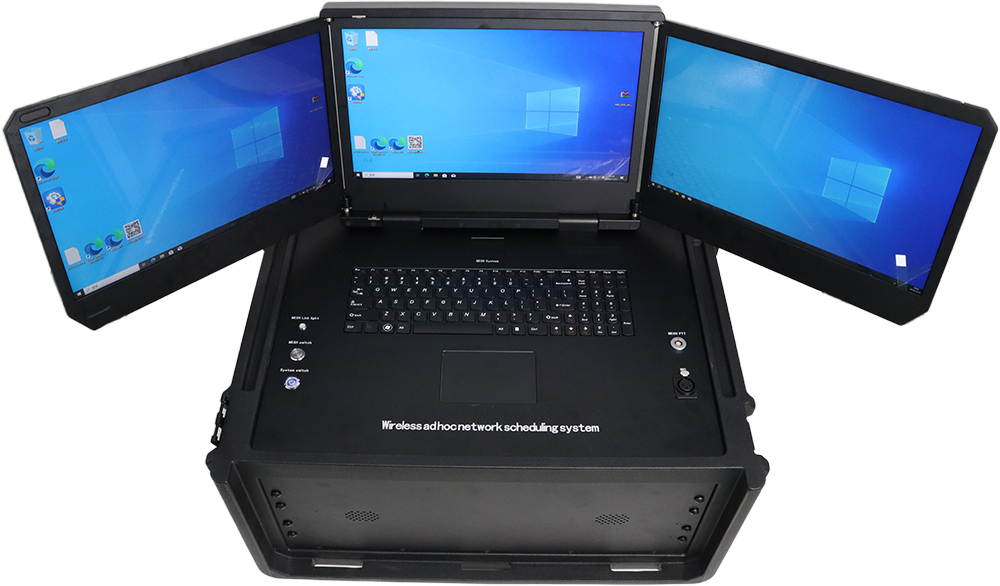
tqwifi's TQ-UAV536 bidirectional broadband UAV link device can be used together with the TQ-7702MT portable three-screen command and dispatch platform to quickly set up a command center on-site, enabling real-time drone video transmission and personnel positioning.
In military reconnaissance, stealth and reliability are paramount. Long-range MESH radio systems enable UAVs to operate in contested environments without relying on satellites or cellular networks. The decentralized network structure means adversaries cannot disable the entire system by attacking a single node.
tqwifi's products serve critical areas such as military communication terminals, electronic reconnaissance, and battlefield communication networks. Its anti-jamming wireless ad-hoc network military tactical radio ensures stable and encrypted communication in complex electromagnetic environments.
In industries such as energy and mining, drones are used to inspect pipelines, power lines, and mines. These locations are often remote and lack network coverage. UAV MESH radios can transmit real-time video and sensor data from the inspection site to remote monitoring centers.
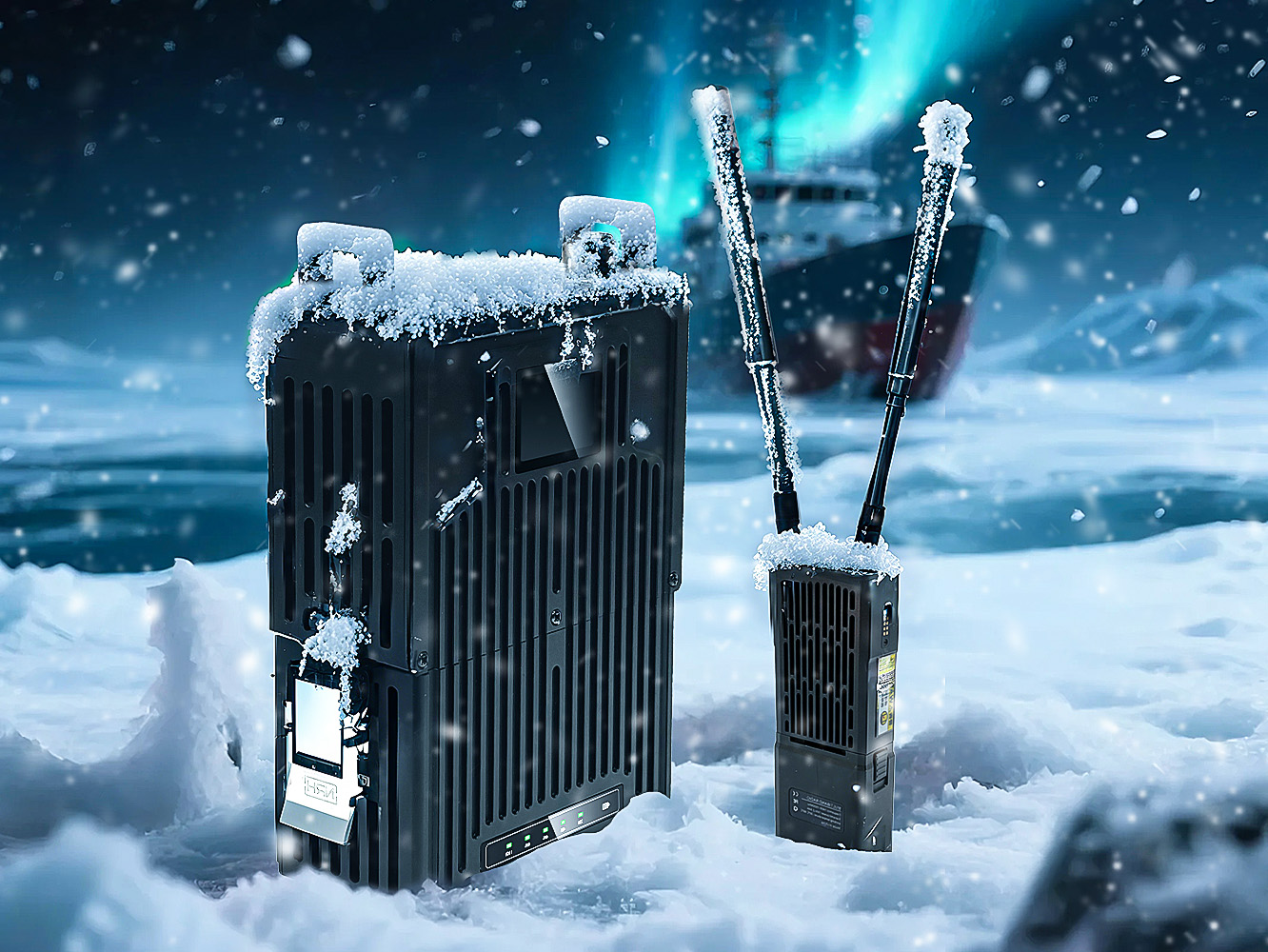
tqwifi's underground MESH base stations and maritime network equipment provide reliable wireless coverage solutions for places where traditional cabling is challenging, such as mines, tunnels, and ports, supporting personnel positioning, environmental monitoring, and integrated video surveillance.
At sporting events or concerts, drones provide stunning aerial footage. IP MESH Radio eliminates the need for complex cabling or satellite uplinks. Cameras on drones transmit high-definition video directly to broadcast vehicles through ground-based MESH networks.
tqwifi's TQ-7702MTB portable multifunctional ad-hoc network device provides wireless video transmission for cameras, delivering HD footage in real time to broadcast vehicles or production centers, significantly reducing deployment time.
tqwifi is a high-tech enterprise integrating R&D, production, and sales, located in Dongguan City, Guangdong Province, a region known for its advanced manufacturing. The company focuses on providing high-reliability, high-precision communication equipment components and system solutions for the military, aerospace, and electronic countermeasure sectors.
tqwifi is a high-tech enterprise integrating R&D, production, and sales, located in Dongguan City, Guangdong Province, a region known for its advanced manufacturing. The company focuses on providing high-reliability, high-precision communication equipment components and system solutions for the military, aerospace, and electronic countermeasure sectors.
The company is equipped with advanced manufacturing facilities, a rigorous quality control system, and an experienced technical team. It holds ISO9001 quality system certification, and its products comply with EU CE certification and RoHS certification standards. From raw materials to finished products, the entire process is controlled to ensure stable operation even in harsh environments.
tqwifi's products are widely used in critical areas such as military communication terminals, command and control systems, electronic reconnaissance, and battlefield communication networks. This high-standard application background gives its MESH equipment inherent advantages in reliability, anti-interference capability, and environmental adaptability.
From handheld terminals to vehicle-mounted, airborne, and maritime equipment, from portable command platforms to underground MESH base stations, tqwifi offers a complete wireless ad-hoc network product line to meet the deployment needs of various industries.
For UAV applications, the TQ-UAV536 bidirectional broadband UAV link device supports:
HD video transmission
Long-range remote control commands
Multi-drone collaborative networking
Compatibility with COFDM and MESH technologies
When IP MESH integrates with 5G, drones can leverage carrier networks in areas with 5G coverage to extend communication range, while maintaining MESH ad-hoc connections in areas without signal. This means:
Remote control is no longer limited to a single communication method
Ultra-HD live streaming (4K/8K) becomes smoother and more stable
Communication reliability in complex urban environments is significantly improved
AI Smart Routing – The Network Finds the Optimal Path
Traditional MESH networks use fixed routing paths, but with AI, the system can automatically assess real-time conditions:
Which path has the strongest signal and least interference
Which node is overloaded and needs traffic distribution
How to predict potential link interruptions and switch paths in advance
For drone operators, this means more stable connections and fewer dropouts or delays.
In the future, large fleets of drones will form self-organizing networks without manual configuration:
In search and rescue, dozens of drones automatically cover large areas
In logistics delivery, drone swarms coordinate flight paths and avoid collisions
In military reconnaissance, multiple drones share location data and intelligence
The key capability is this: every drone is a node in the network; swarming means instant networking.
tqwifi has already initiated the development of its next-generation AI-MESH products, integrating AI smart routing and multi-drone coordination capabilities, continuing to lead the advancement of wireless ad-hoc network technology.
IP MESH Radio is transforming how drones communicate. By creating a decentralized, self-healing network, it enables long-range drone communication and high-definition video transmission without relying on cellular networks or satellite infrastructure. Whether you are performing public safety missions, conducting industrial inspections, or broadcasting live events, a long-range MESH radio system provides the reliability, flexibility, and scalability you need.
As a professional wireless ad-hoc network equipment manufacturer, tqwifi delivers military-grade reliability, full-scenario product coverage, and rapid deployment capabilities, providing MESH communication solutions for emergency response, public security, energy, and transportation sectors. Whether you are a drone operator or project manager, tqwifi offers comprehensive support from equipment selection to on-site deployment.