

What Is an IP Mesh Radio and How Does It Work?
2025-10-24


Custom mesh radio device customization and project deployment often face a core technical problem: how to select the most suitable frequency band for different application scenarios. The frequency band directly determines the transmission distance, anti-interference ability, penetration performance, and bandwidth throughput of MANET mesh radio devices. For engineering procurement, tactical deployment, and emergency rescue project customization, a scientific frequency band selection can maximize device performance and avoid signal attenuation, network disconnection, and poor networking effects.
Before customizing mesh radio equipment, users need to comprehensively consider four core factors: usage scenario, transmission distance, environmental interference, and local spectrum compliance. Low-frequency bands feature strong penetration and long transmission distance, suitable for complex terrain such as mountains, tunnels, and urban building clusters. High-frequency bands have large bandwidth and fast transmission speed, which can support high-definition video transmission and multi-node large data interaction, ideal for short-distance high-throughput operation scenarios.
In addition, different countries and regions have different spectrum management regulations. Some license-free frequency bands are suitable for civilian emergency and industrial use, while specific dedicated frequency bands are applicable to public security, fire protection, and tactical communication fields. Customized frequency band solutions can effectively avoid signal interference with local public network equipment and ensure long-term stable operation of private ad hoc networks.
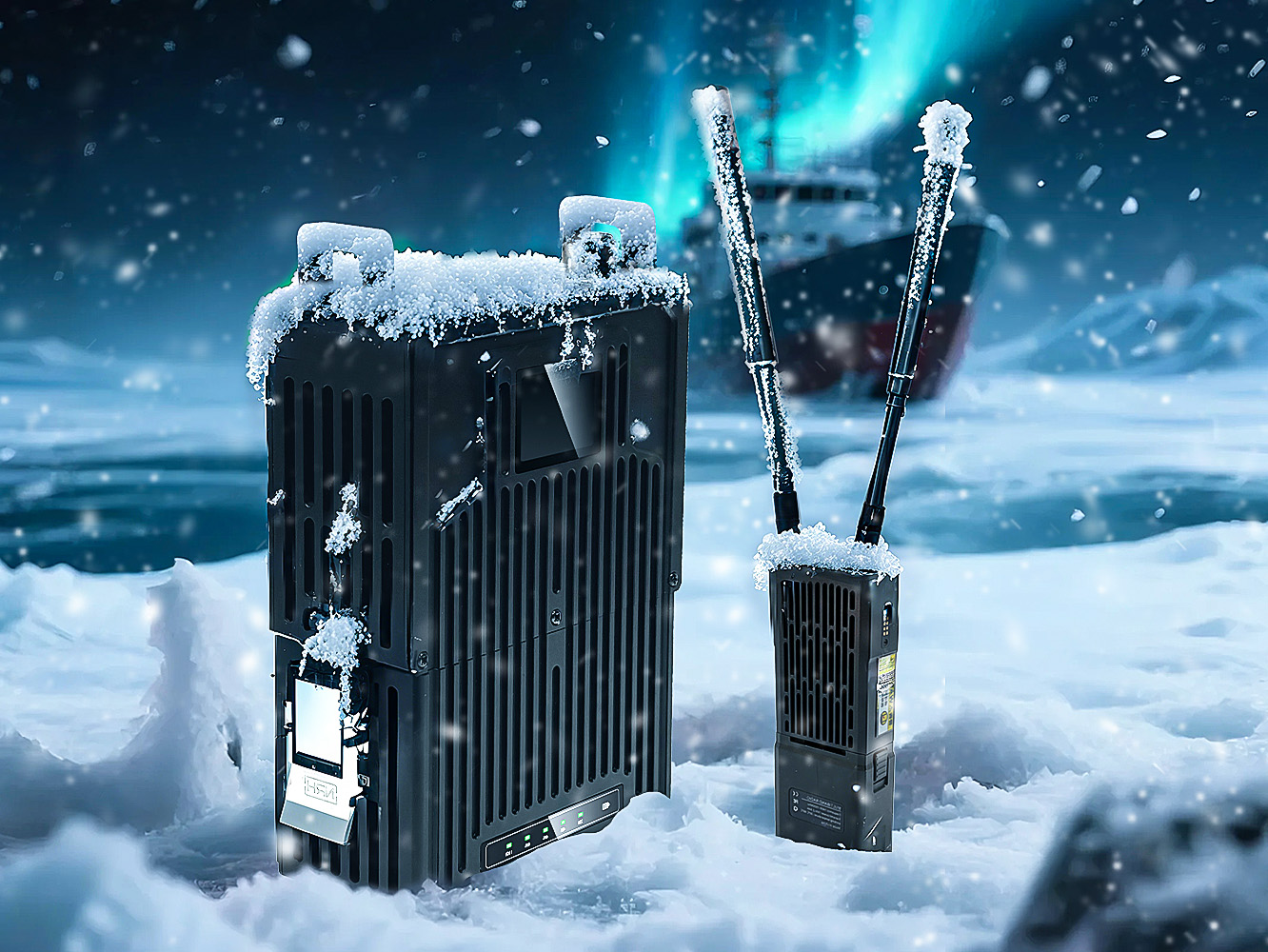
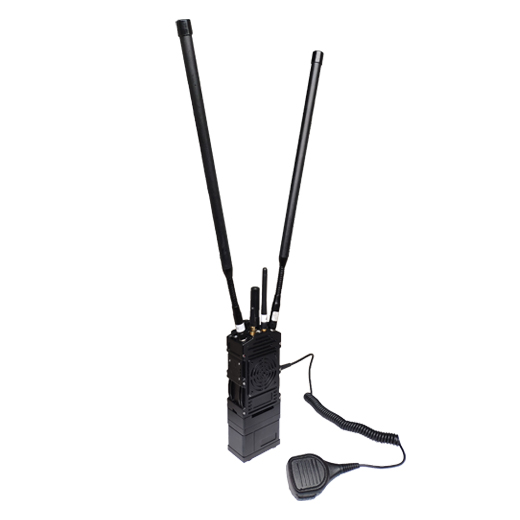
433MHz Frequency Band: This ultra-low frequency band has ultra-strong diffraction and penetration capabilities, with extremely low signal attenuation. It can easily cross buildings, hills, and dense vegetation, featuring ultra-long transmission distance. However, its bandwidth is narrow, only suitable for low-speed data transmission such as voice calls, GPS positioning, and simple data reporting. It is the preferred frequency band for mine tunnels, mountain patrols, and forest fire prevention communication. Our TQ-7102MS handheld mesh radio and TQ-7305MB portable manpack radio fully support 433MHz band customization, perfectly adapting to complex terrain communication scenarios with strong penetration and stable signal output.
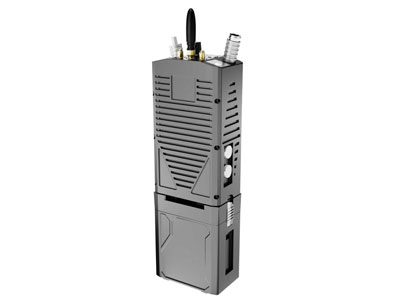
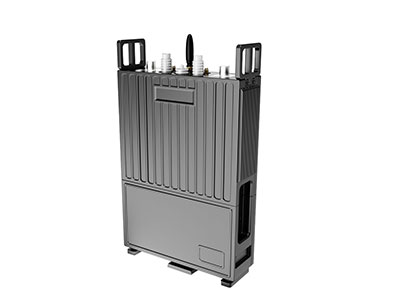
900MHz Frequency Band: Balances transmission distance and bandwidth performance, with moderate anti-interference ability and wide coverage. It supports basic video transmission and multi-node networking, and is widely used in conventional emergency rescue, field construction, and remote monitoring scenarios. This frequency band has strong environmental adaptability and low deployment cost, suitable for most industrial ad hoc network projects. Our TQ-7405MH shipborne MESH equipment is specially customized for the 900MHz band, realizing stable long-distance wireless transmission in maritime and offshore exploration scenarios, solving the problem of signal attenuation over open water.
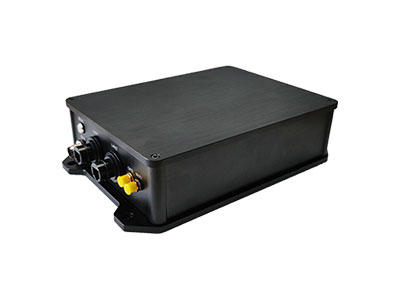
1.4GHz Dedicated Frequency Band: A professional dedicated communication frequency band with low public signal interference, high confidentiality, and strong stability. It supports medium and high-speed video transmission and large-scale node networking, specially customized for public security, armed police, tactical communication, and government emergency projects, meeting high-standard secure communication needs.Our TQ-7610MO outdoor base station ad hoc network equipment and TQ-7210MC vehicular broadband wireless MESH equipment support 1.4GHz dedicated frequency band customization, providing high-confidentiality and anti-interference communication guarantees for tactical command and public security emergency scenarios.
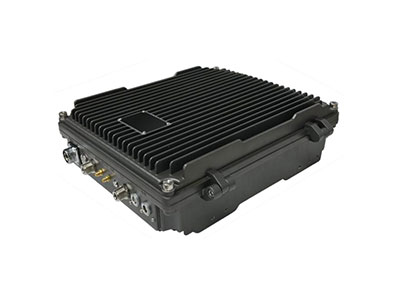
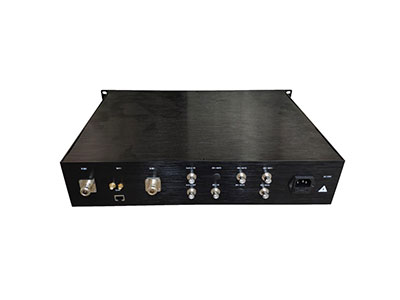
Different from standardized ordinary mesh radio equipment, customized frequency band solutions can perfectly match the actual needs of user projects. We support full-band customization including license-free bands and dedicated confidential bands, and can adjust device transmit power, bandwidth allocation, and networking parameters according to user usage areas and scene environments to achieve optimal communication effects.
Dongguan Tuqian Precision Manufacturing Co., Ltd. is a high-tech enterprise specializing in the manufacturing of communication equipment, located in Dongguan City, Guangdong Province, a region with a well-developed manufacturing industry. The company integrates R&D, production and sales, and is committed to providing high-reliability and high-precision communication equipment components and system solutions for military, aerospace, electronic countermeasures and other fields.
Equipped with advanced processing equipment, a strict quality control system and an experienced technical team, our main products include 4G and 5G communication devices, MESH self-organizing networks, digital bridges, wind-solar hybrid solar equipment, anti-interference antenna structural components, precision parts for tactical radios, etc. These products are widely used in key areas such as military communication terminals, command and control systems, electronic reconnaissance and battlefield communication networks. Our company is driven by technological innovation, continuously optimizing processes to meet customers' high standards for precision manufacturing.
If you have mesh radio frequency band customization, project solution matching, and equipment procurement needs, welcome to contact our professional technical team. We will provide one-stop customized communication solutions according to your usage scenarios, regional spectrum regulations and functional requirements.
A: We provide both license-free and licensed frequency band solutions. Common 433MHz and 900MHz public bands do not require a license, while dedicated bands such as 1.4GHz support compliant customization for special industry scenarios, meeting regional regulatory requirements.
A: Low-frequency bands (433MHz/900MHz) are the best choice, with strong penetration and diffraction capabilities, which can effectively solve signal blind zone and disconnection problems in complex terrain.
A: Yes. We support multi-band composite customization, enabling devices to switch frequency bands adaptively according to the environment, ensuring stable communication in complex and variable scenarios.
A: High-bandwidth frequency bands can support more networking nodes and higher data transmission efficiency, while low-frequency bands are more suitable for small and medium-scale networking focusing on coverage stability.