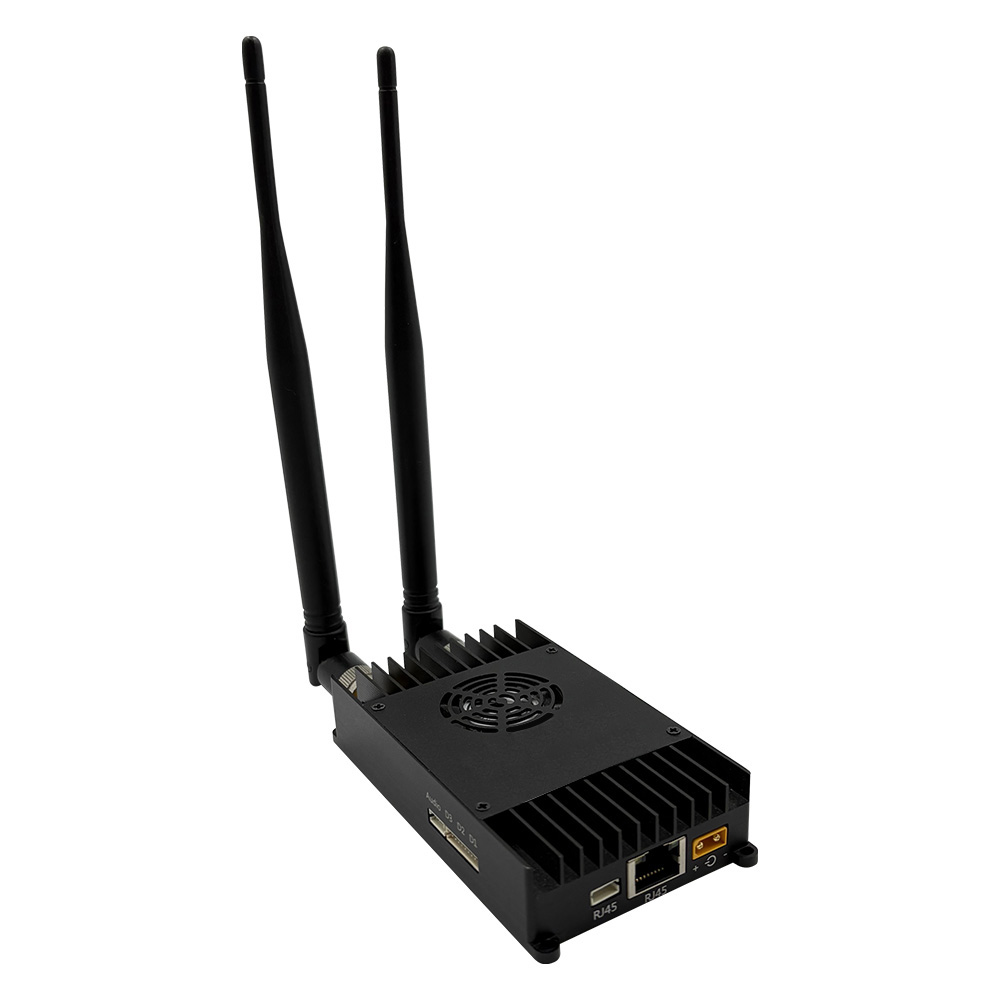


What Is an IP Mesh Radio and How Does It Work?
2025-10-24


After natural disasters, public safety incidents, or emergencies, traditional communication networks may become disrupted, affecting rescue coordination and information exchange. In such situations, rapidly establishing stable communication links is essential for effective emergency response.
Multi-point wireless networks, with their flexible deployment, short construction time, and wide coverage, have become a key solution for emergency communications. They can efficiently connect command centers, medical institutions, rescue teams, and temporary shelters, enabling fast and reliable information sharing. This significantly enhances emergency communication capabilities and supports the smooth execution of rescue operations.
Rapid Deployment
No extensive cabling is required, allowing networks to be set up quickly to meet urgent communication needs.
Wide Coverage
A central node can simultaneously connect multiple remote areas, enabling broad communication coverage and seamless information exchange between locations.
High Flexibility
Network nodes can be added, adjusted, or relocated according to situational requirements, adapting to complex environments.
Cost-Effective
Short construction cycles and low investment costs improve resource utilization efficiency.
1. Conduct On-Site Environmental Assessment
Focus on terrain conditions, building distribution, signal requirements, power supply, and potential interference to guide deployment planning.
2. Prioritize Key Areas
Include emergency command centers, hospitals, fire and police departments, and temporary shelters.
3. Utilize Rapid Deployment Solutions
Recommend using portable base stations, antennas, satellite communication devices, and vehicle-mounted platforms to reduce setup time.
4. Required Equipment
Device | Primary Function |
Central Base Station | Network control and management |
Wireless Access Equipment | Provides terminal access services |
Antenna Systems | Expands coverage area |
Network Switches | Data transmission and forwarding |
Backup Batteries | Emergency power supply |
Generators | Long-term power support |
Satellite Communication Equipment | Provides backup communication links |
Redundant Links: Ensure network operation continues in case of single-point failures.
Optimized Coverage: Plan node locations to minimize signal blockage.
Security Management: Implement data encryption, authentication, and access control.
Equipment Maintenance: Regularly test and inspect device performance.
Insufficient Power: Use backup batteries and generators.
Signal Obstruction: Add relay nodes or increase antenna height.
High Network Load: Allocate bandwidth and prioritize traffic effectively.
Severe Weather: Employ waterproof, dustproof, and lightning-protected equipment.
5G Applications in Emergency Communications
AI-Based Network Optimization
Drone-Based Communication Relays
Self-Organizing Wireless Networks
Integration of Satellite and Terrestrial Networks
These technologies will further enhance the reliability and coverage of P2MP wireless networks in emergency situations.
TQWIF specializes in P2MP wireless networks and emergency communication systems, serving government agencies, public safety organizations, and industrial clients. In emergency communication deployment, TQWIF provides the following core support:
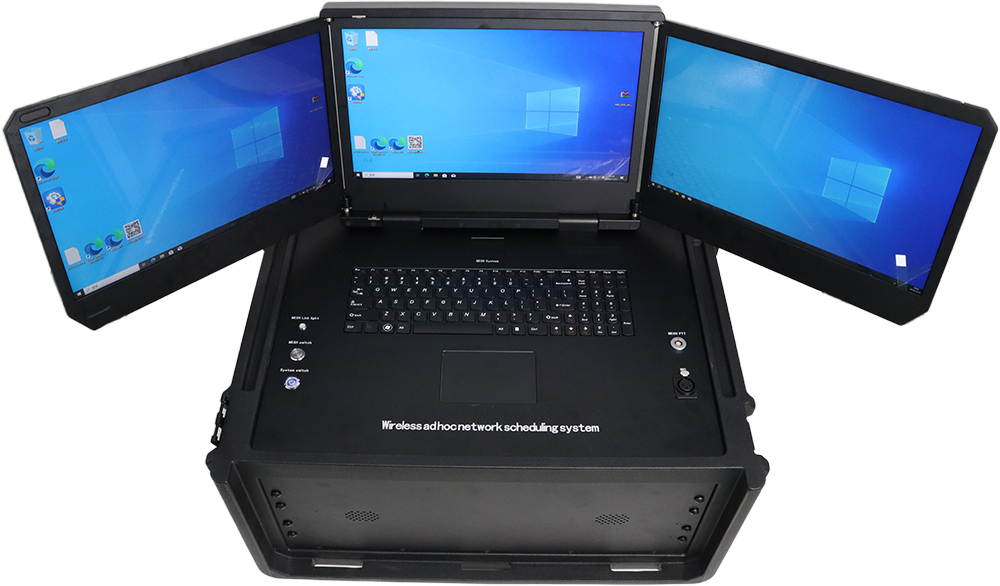
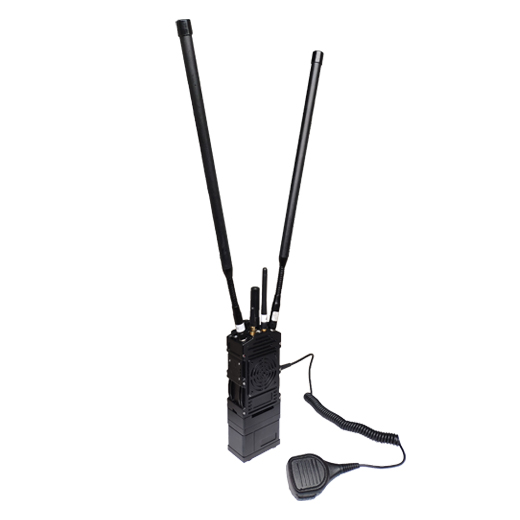
Rapid Deployment Capability: Portable central base stations, vehicle-mounted platforms, and self-organizing network devices can form networks immediately without base stations or the Internet.
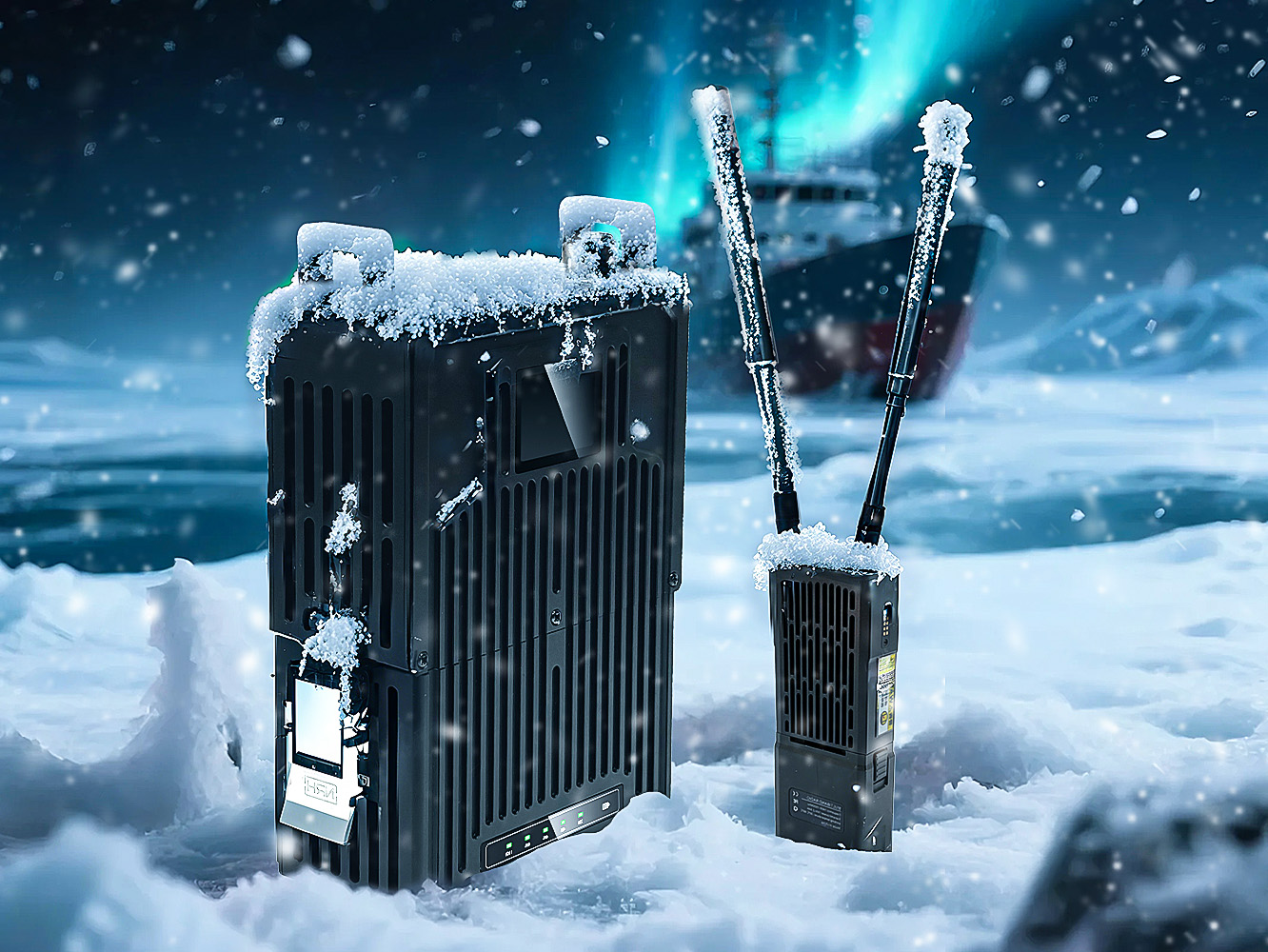
Strong Environmental Adaptability: Equipment is shock-resistant, moisture-proof, and capable of operating under extreme temperatures, with IP67 protection for disaster sites, mountains, and islands.
Flexible Power Solutions: Compatible with wind-solar hybrid power systems, backup batteries, and generators to ensure long-term emergency power.
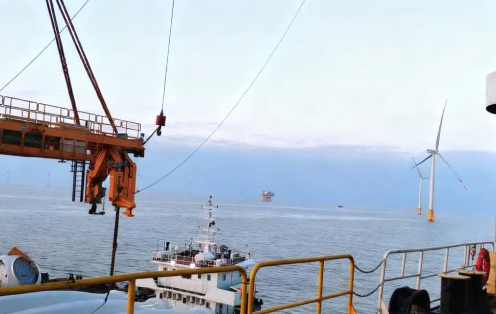
Examples of Marine Applications
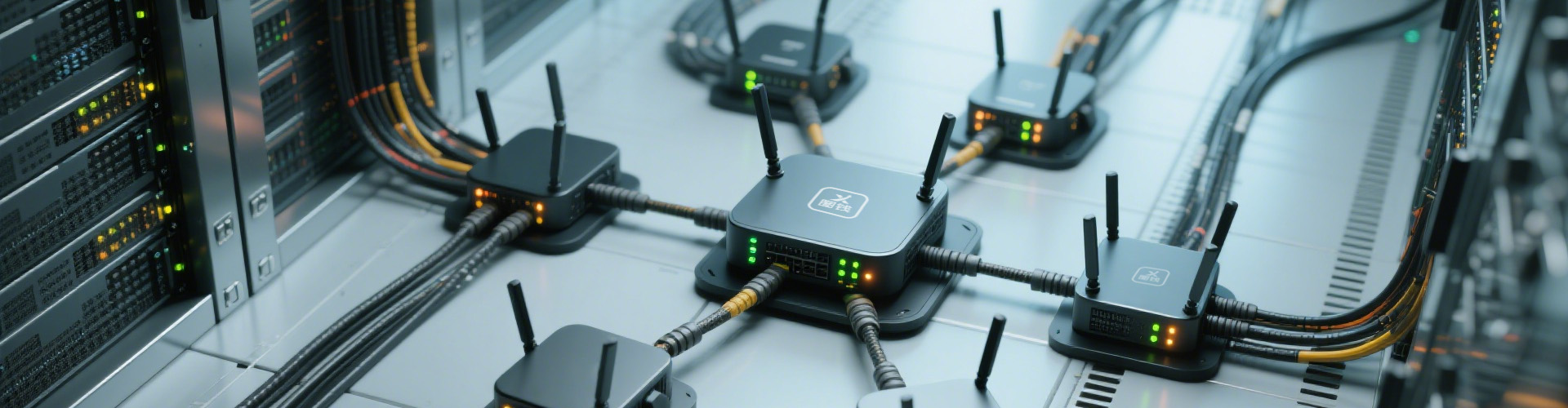
Reliable Communication Links: Supports point-to-multipoint wireless bridges, multi-hop forwarding, and automatic routing to maintain stable connections among command centers, rescue teams, and temporary shelters.
For network design, product selection, or deployment solutions for your emergency communication project, please contact us or click here.
Q1: What role do P2MP wireless networks play in emergency communications?
A1: They quickly establish communication links, supporting command coordination and information transmission.
Q2: What core equipment is required for deployment?
A2: Central base station, wireless access equipment, antenna systems, network switches, backup power, and satellite communication devices.
Q3: Why are they suitable for emergency scenarios?
A3: Rapid deployment, wide coverage, low cost, and flexible network configuration.
Q4: How can network stability be improved?
A4: Build redundant links, optimize coverage, use backup power, and perform regular equipment maintenance.
Q5: What are the future directions?
A5: Integration of 5G, AI, drones, and satellite communications to achieve more efficient and intelligent emergency networks.