

What Is an IP Mesh Radio and How Does It Work?
2025-10-24


In environments without fiber optics, cellular base stations, or wired networks, quickly establishing communication capabilities is a common requirement in industrial and emergency fields. Self-organizing Wi-Fi and IP Mesh radio are two widely used wireless networking solutions.
Both can enable device interconnection without infrastructure, but they differ significantly in coverage, stability, and scalability. Understanding these differences helps in selecting the most suitable communication method.
Self-organizing Wi-Fi enables direct communication between devices.
Data is transmitted point-to-point between devices without the need for routers or a central node.
The network structure is simple, making it suitable for rapid deployment in small-scale environments.
Direct device-to-device connection
No central dependency
Fast deployment
Limited coverage range
Limited number of connected devices
Average network stability
IP Mesh radio uses a mesh network architecture.
Each node functions both as an endpoint and a relay, forwarding data for other nodes.
Data is transmitted through multi-hop routing, extending communication distance.
If a node fails, the network automatically finds an alternative path.
· Multi-hop data forwarding
· Automatic routing
· Self-healing network
Higher cost
Requires proper deployment planning
Comparison Item | Self-Organizing Wi-Fi | IP Mesh Radio |
Network Structure | Point-to-point | Mesh network |
Data Transmission | Single hop | Multi-hop forwarding |
Coverage Range | Small | Large |
Stability | Moderate | High |
Scalability | Weak | Strong |
Mobility Support | Limited | Strong |
Suitable for temporary networking needs in conferences, exhibitions, or events.
Ideal for environments such as laboratories or offices with a limited number of devices.
Enables direct data or file exchange between devices.
Commonly used for wireless communication experiments and network testing.
After disasters such as earthquakes, floods, or fires, it can quickly establish a communication network to ensure field coordination.
Suitable for mines, oil fields, ports, and other large-scale complex environments requiring stable data transmission.
In mountains, forests, or islands without infrastructure, it reduces cabling costs and extends coverage.
Supports dynamic connectivity for drones, vehicles, and mobile personnel, automatically adjusting communication routes.
Usage is temporary
Coverage area is small
Number of devices is limited
Cost is a priority
Large coverage is required
Multi-node networking is needed
High reliability is essential
Used in industrial or emergency scenarios
Deployment in remote areas is required
IP Mesh radio systems require deployment planning based on real-world conditions, including coverage design, node placement, and link optimization.
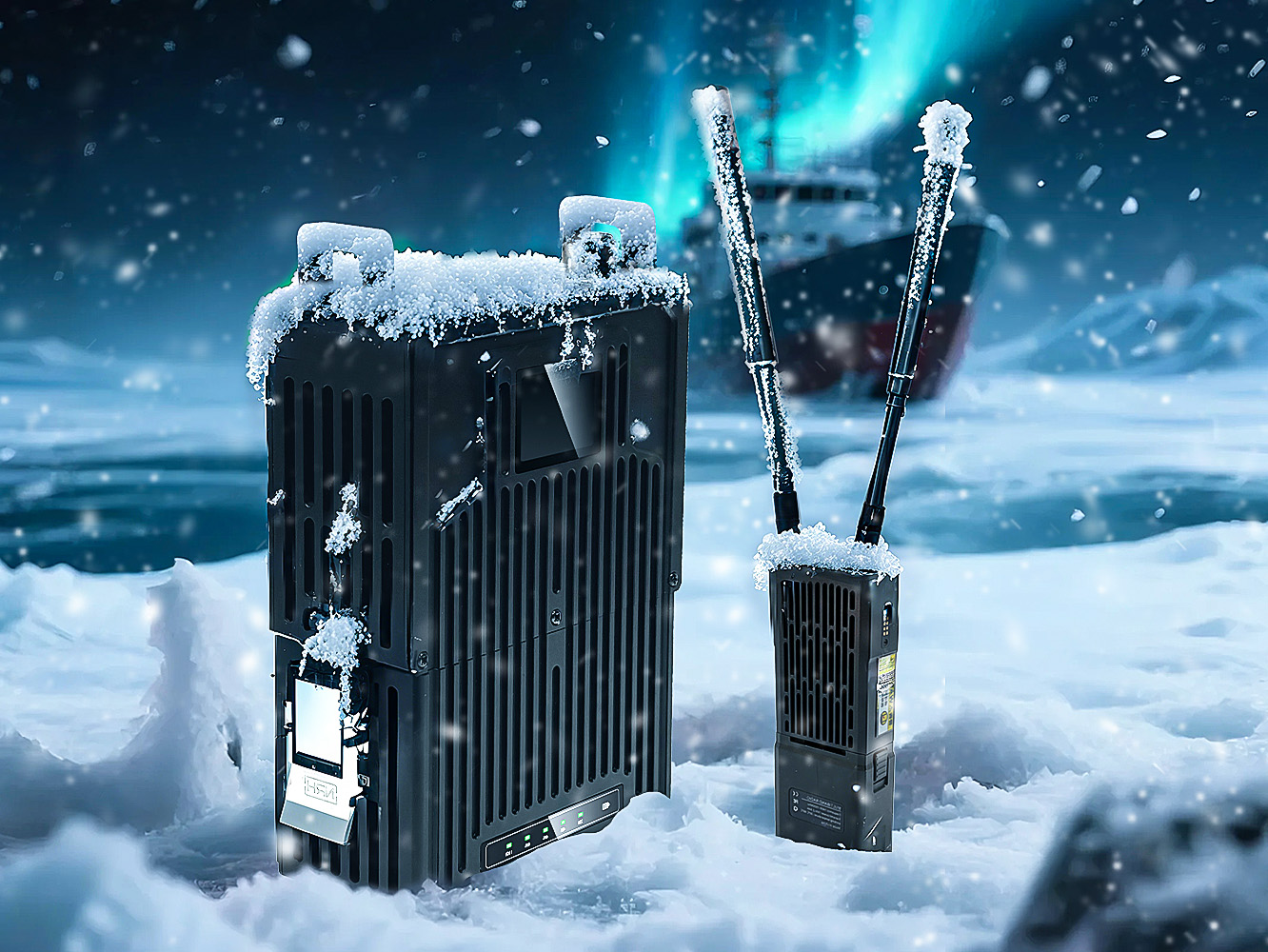
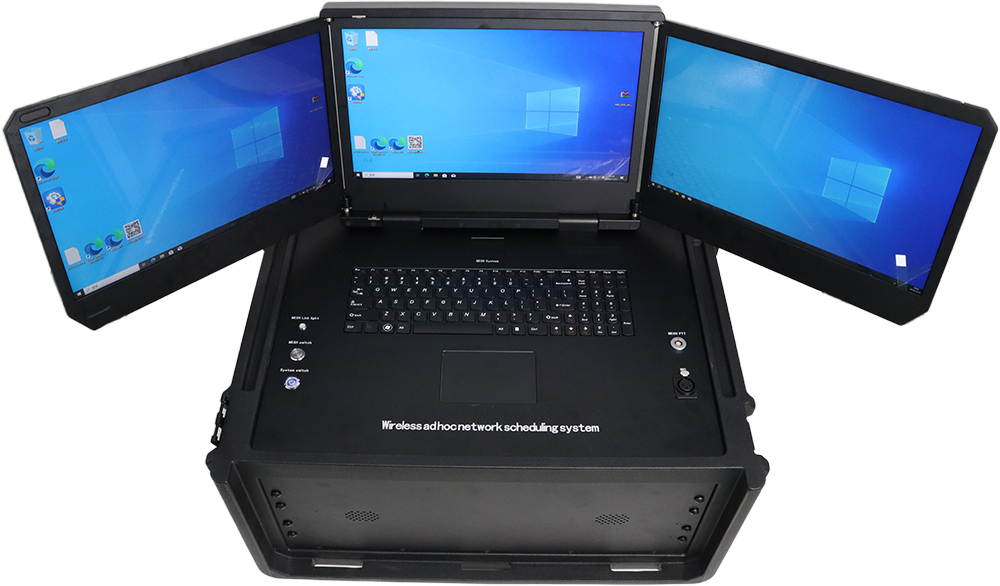
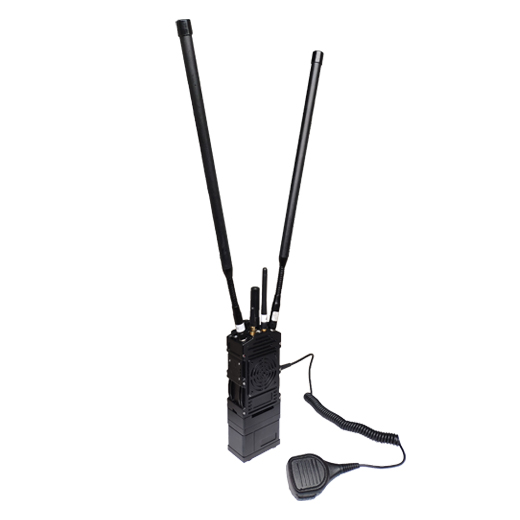
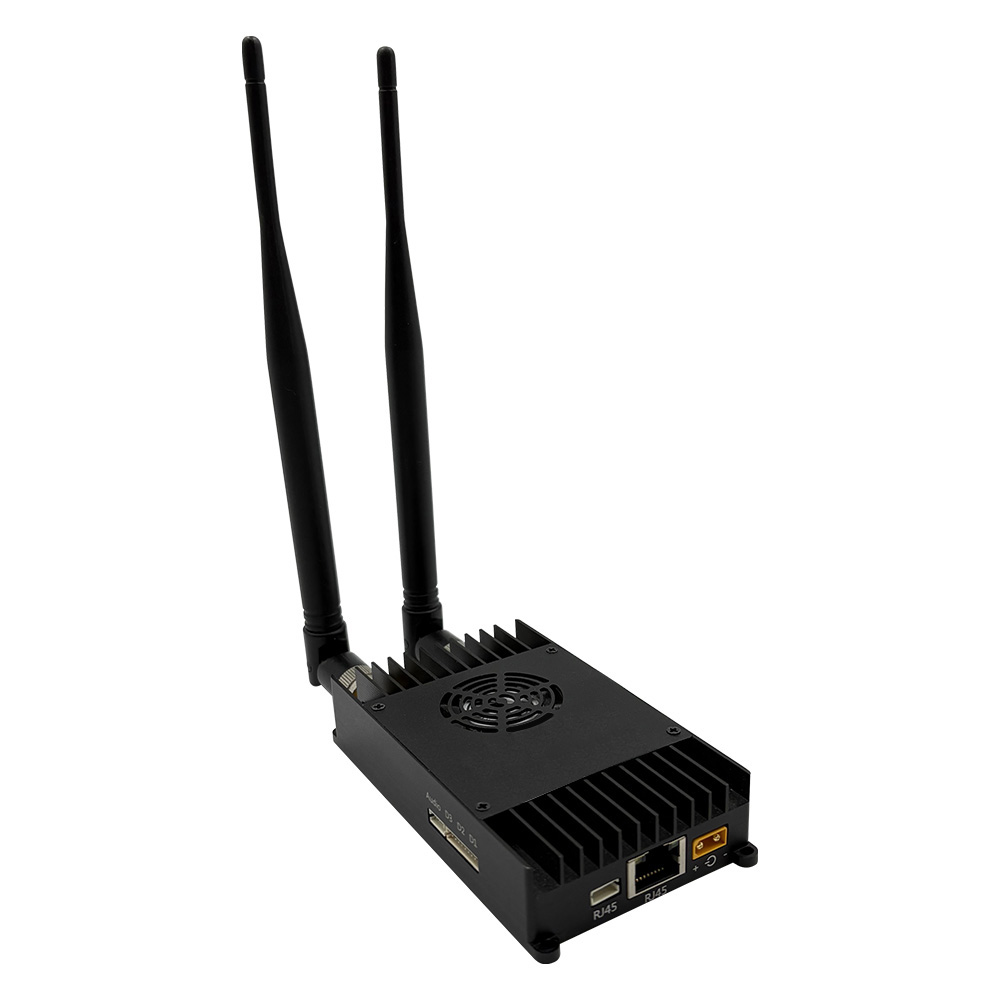
TQWIF provides IP Mesh self-organizing radio devices and integrated solutions for emergency communication, industrial applications, and remote environments. Core capabilities include:
Multi-hop forwarding and automatic routing: Each node acts as a relay, and the network automatically selects optimal paths for greater range and stability
No infrastructure required: No base stations or internet needed; devices automatically form a network upon startup, suitable for disaster or off-grid environments
Strong environmental adaptability: Devices are shock-resistant, moisture-proof, and capable of operating in extreme temperatures, suitable for mines, forests, and islands
Flexible power solutions: Can be combined with wind and solar hybrid systems for long-term unattended operation in remote areas
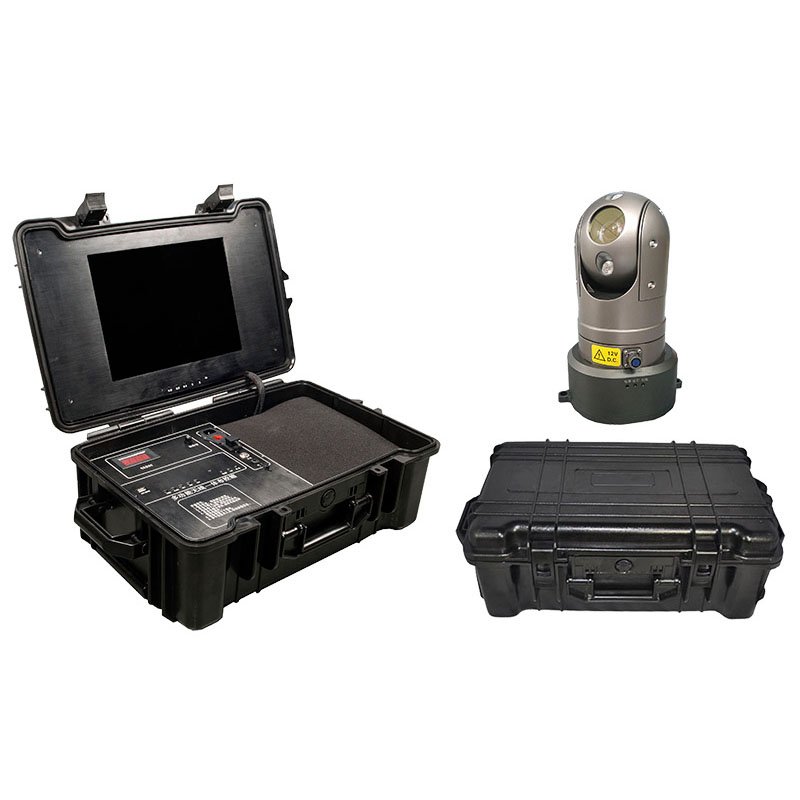
If you need to deploy IP Mesh radio networks for emergency communication, industrial operations, or remote regions, you can contact us for professional technical support.
Both self-organizing Wi-Fi and IP Mesh radio enable wireless communication without infrastructure, but they serve different purposes.
Self-organizing Wi-Fi is better suited for small-scale, temporary connections with simple deployment and low cost.
IP Mesh radio is designed for large-scale, high-reliability communication and is more suitable for industrial, emergency, and remote-area applications.
Q1: What is the biggest difference between self-organizing Wi-Fi and IP Mesh radio?
A1: Self-organizing Wi-Fi uses direct device-to-device communication, while IP Mesh radio supports multi-hop forwarding and automatic routing, providing greater coverage and stability.
Q2: Does IP Mesh radio require the internet?
A2: No. It can operate completely offline without any internet connection.
Q3: Which is more suitable for emergency communication?
A3: IP Mesh radio is more suitable because it can be deployed quickly and maintain continuous communication.
Q4: Can self-organizing Wi-Fi be used in industrial environments?
A4: Yes, but it is generally suitable for small-scale or temporary applications. Large-scale projects are better served by Mesh solutions.