

What Is an IP Mesh Radio and How Does It Work?
2025-10-24


For non-technical users, microwave transmission can be understood as an “invisible wireless link” that enables high-speed data transfer between two locations without the need for fiber-optic cables or physical wiring.
This article provides a comprehensive overview of the principles, advantages, challenges, and application scenarios of microwave transmission technology.
Microwave transmission is a communication method that uses high-frequency radio waves, typically ranging from 1 GHz to 100 GHz, to transmit data over long distances.
Microwave transmission converts digital information into high-frequency electromagnetic waves, which travel through space and are then converted back into data at the receiving end.
Since microwave signals propagate in a straight line, one critical requirement must be met:
A clear line of sight (LOS) must exist between the transmitting and receiving stations.
In practical deployments, communication towers or tall buildings are often used to elevate antennas, minimizing obstructions and ensuring stable communication.
Microwave systems typically employ a point-to-point architecture, where two directional antennas establish a dedicated communication link. This structure is ideal for regional data connectivity, such as cellular backhaul networks and campus interconnection projects.
Higher frequencies provide greater transmission capacity and bandwidth. However, they are also more sensitive to physical obstacles and environmental conditions. Therefore, careful path planning and link design are essential for reliable operation.
Microwave links support broadband communication and can meet the requirements of video surveillance, data center interconnection, and mobile network backhaul applications.
Under favorable conditions, a single microwave hop can cover distances ranging from several kilometers to dozens of kilometers, making it suitable for regional and cross-area communications.
Compared with fiber-optic installation, microwave transmission eliminates the need for extensive trenching and cable deployment, significantly reducing infrastructure costs.
Microwave equipment can be installed and commissioned quickly, making it ideal for emergency communications and temporary network deployments.
Buildings, mountains, trees, and other obstacles can degrade signal quality or block transmission entirely. Proper link planning is therefore critical.
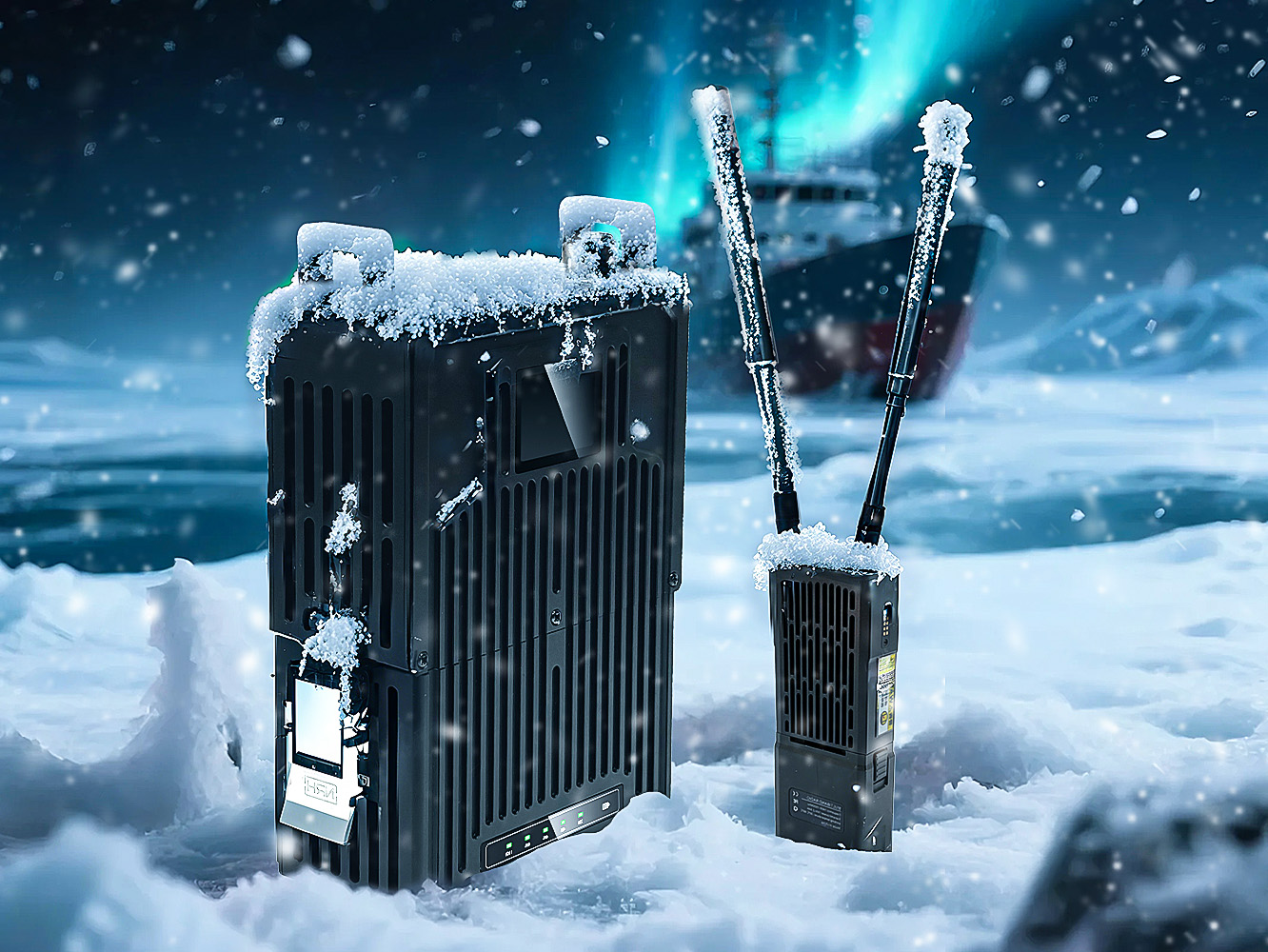
Rain, snow, fog, and other adverse weather conditions can weaken microwave signals, especially in higher-frequency bands.
Certain frequency bands require regulatory licensing, and spectrum availability varies across different countries and regions.
Component | Function |
Microwave Antenna | Transmits and receives high-frequency wireless signals |
RF Unit | Performs signal conversion, amplification, and processing |
Communication Tower | Provides elevation to maintain line-of-sight conditions |
Network Switching Equipment | Connects local networks to the core communication network |
Microwave transmission serves as a critical connection method between 4G/5G base stations and core networks, particularly in regions with widely distributed cellular sites.
Factories, oil fields, mining operations, and utility infrastructures use microwave links for reliable data transmission and remote monitoring.
In the event of natural disasters or network outages, microwave systems can rapidly restore essential communication services.
To achieve optimal performance, consider the following best practices:
Ensure a clear line of sight between transmitting and receiving sites.
Increase antenna installation height to reduce terrain obstruction.
Select appropriate frequency bands and bandwidth resources.
Perform regular antenna alignment and equipment maintenance.
Evaluate environmental conditions and transmission distance during network planning.
As communication technologies continue to evolve, microwave transmission is advancing toward higher frequencies and greater intelligence, including:
Wider adoption of millimeter-wave communication technologies
Deep integration with 5G and future 6G networks
Adaptive modulation and intelligent link optimization technologies for enhanced reliability
These advancements are continuously improving the capacity, efficiency, and reliability of long-distance wireless communication systems.
Microwave transmission technology is an efficient, cost-effective, and flexible solution for long-distance wireless communication. It plays a vital role in telecommunications, industrial networking, and emergency communication systems.
Although challenges such as line-of-sight limitations, weather sensitivity, and spectrum constraints remain, ongoing technological advancements continue to expand its capabilities and improve overall system performance.
TQWIF provides professional equipment and technical support for microwave and long-distance wireless communication projects, including:
Point-to-point (PTP) and point-to-multipoint (PTMP) microwave link design
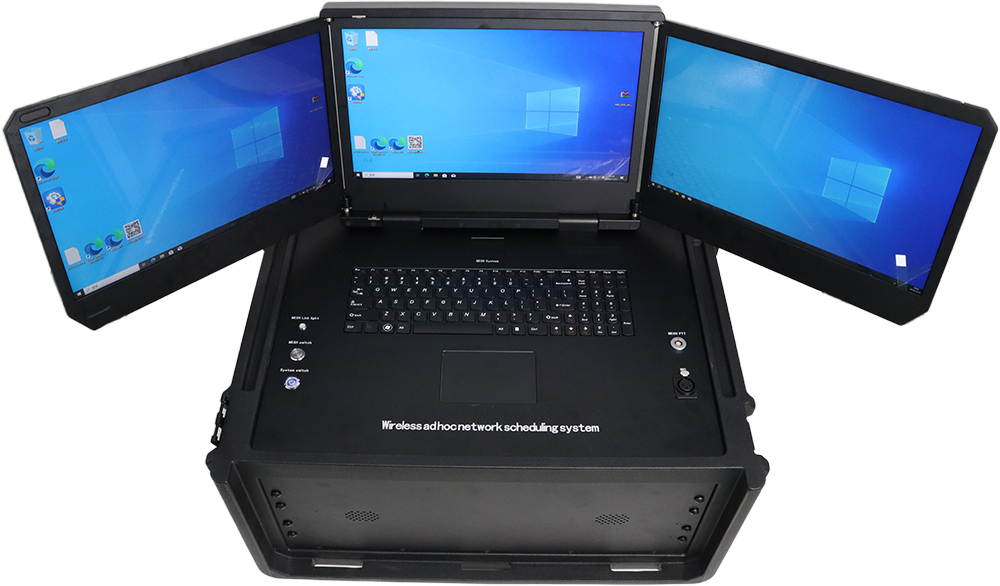
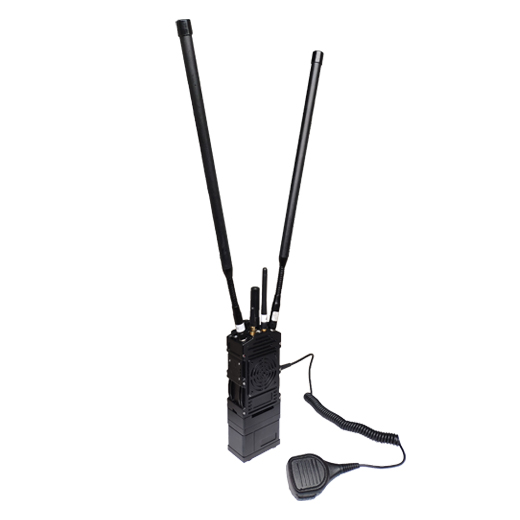
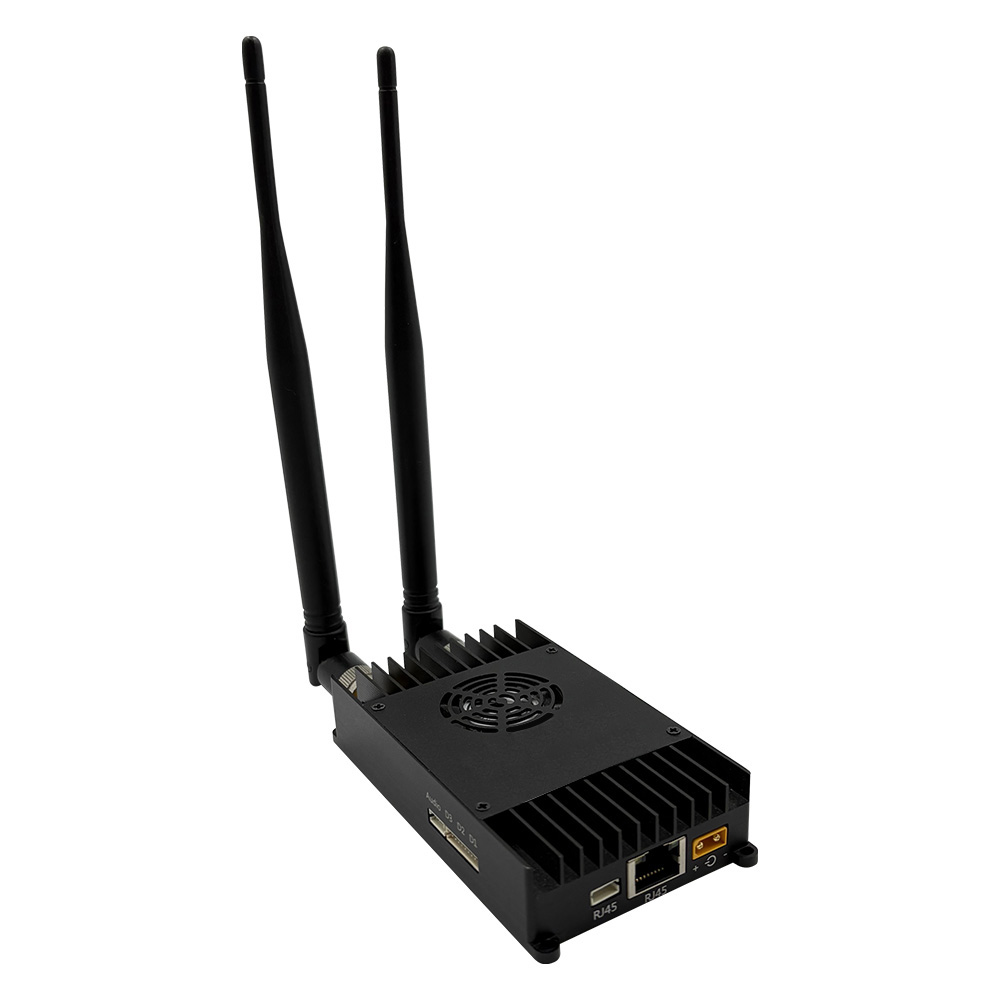
Industrial-grade wireless bridges and mesh networking devices (supporting dual-band 2.4 GHz / 5 GHz operation with TDMA scheduling)
Sector antennas and relay deployment solutions for complex terrain environments
Integration with solar and wind hybrid power systems for unattended remote sites
Our products comply with international standards including ISO 9001, CE, and RoHS certifications, and are designed to withstand harsh operating conditions such as extreme temperatures, humidity, and vibration.
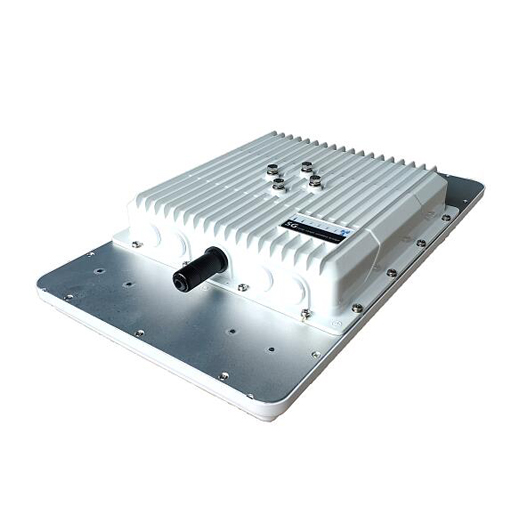
If you are planning an enterprise wireless network or a long-distance communication system, feel free to contact Tuqian for professional consultation and technical assistance. Our engineering team is ready to help you design a reliable and cost-effective wireless communication solution.
Q1: What are the primary applications of microwave transmission?
A1: Microwave transmission is mainly used for telecom backhaul networks, industrial communications, and long-distance wireless data transmission.
Q2: Does microwave transmission require line-of-sight conditions?
A2: Yes. A clear, unobstructed line of sight between the transmitting and receiving sites is essential for stable microwave communication.
Q3: Is microwave transmission affected by weather conditions?
A3: Yes. Heavy rain, dense fog, snow, and other severe weather conditions can cause signal attenuation, particularly in higher-frequency microwave bands.