

What Is an IP Mesh Radio and How Does It Work?
2025-10-24


In elevator monitoring, building security and intelligent building systems, communication wireless network bridges are widely used to replace wired cabling for wireless data backhaul. The 5GHz wireless bridge is the most common choice for engineering projects. However, elevator shafts are complex enclosed environments with severe signal attenuation, which directly affects the stability and reliability of actual deployment. This article provides measured performance analysis, key impact factors and practical engineering solutions for 5GHz wireless bridges in elevator shafts.
A communication wireless network bridge is a point-to-point or point-to-multipoint wireless data transmission device, used to extend network connections without laying network cables.
Cable-free network connection
Supports video, data and control signal transmission
Ideal for buildings, factories, campuses and vertical scenarios
5GHz band is widely used for high throughput and low interference
Elevator shafts connect multiple floors and carry various devices, making wireless bridges an ideal alternative to complicated cabling.
Elevator surveillance video backhaul
Floor sensor and equipment data communication
Building security system networking
Elevator operation status monitoring
Elevator shafts are typical high-attenuation environments that seriously affect 5GHz wireless signals.
Concrete walls absorb wireless signals significantly
Metal shaft structures cause strong signal reflection
Moving elevator cabs create dynamic obstructions
Narrow vertical space leads to serious multipath interference
High-frequency 5GHz signals have weak penetration
Based on actual engineering measurement, 5GHz wireless bridges show obvious performance changes in elevator shafts.
Signal strength fluctuates greatly with floor changes
Temporary link instability during elevator operation
Local signal blind spots in specific positions
Delay and packet loss caused by multipath reflection
Lack of stable line-of-sight transmission path
Excessive reflection and diffraction paths
High-frequency signal penetration limitation
1. Installation PositionDirectly related to line-of-sight and metal obstruction avoidance.
2. Antenna TypeDirectional antennas are more suitable for vertical shaft transmission; omnidirectional antennas have wider coverage but lower stability.
3. Environment & StructureShaft width, building materials and floor height affect signal propagation.
4. Device PerformanceAnti-interference and signal sensitivity vary among different device grades.
Maintain vertical line-of-sight as much as possible
Keep away from metal structures and large obstacles
Adjust angle and polarization for better signal reception
Add relay nodes on middle floors
Improve link stability and extend effective distance
Suitable for high-rise buildings and complex shafts
Select low-interference 5GHz channels
Avoid overlapping with other wireless devices
Optimize channel bandwidth for stability
Better anti-interference and anti-vibration performance
Adapt to temperature changes in elevator shafts
Ensure stable long-term operation
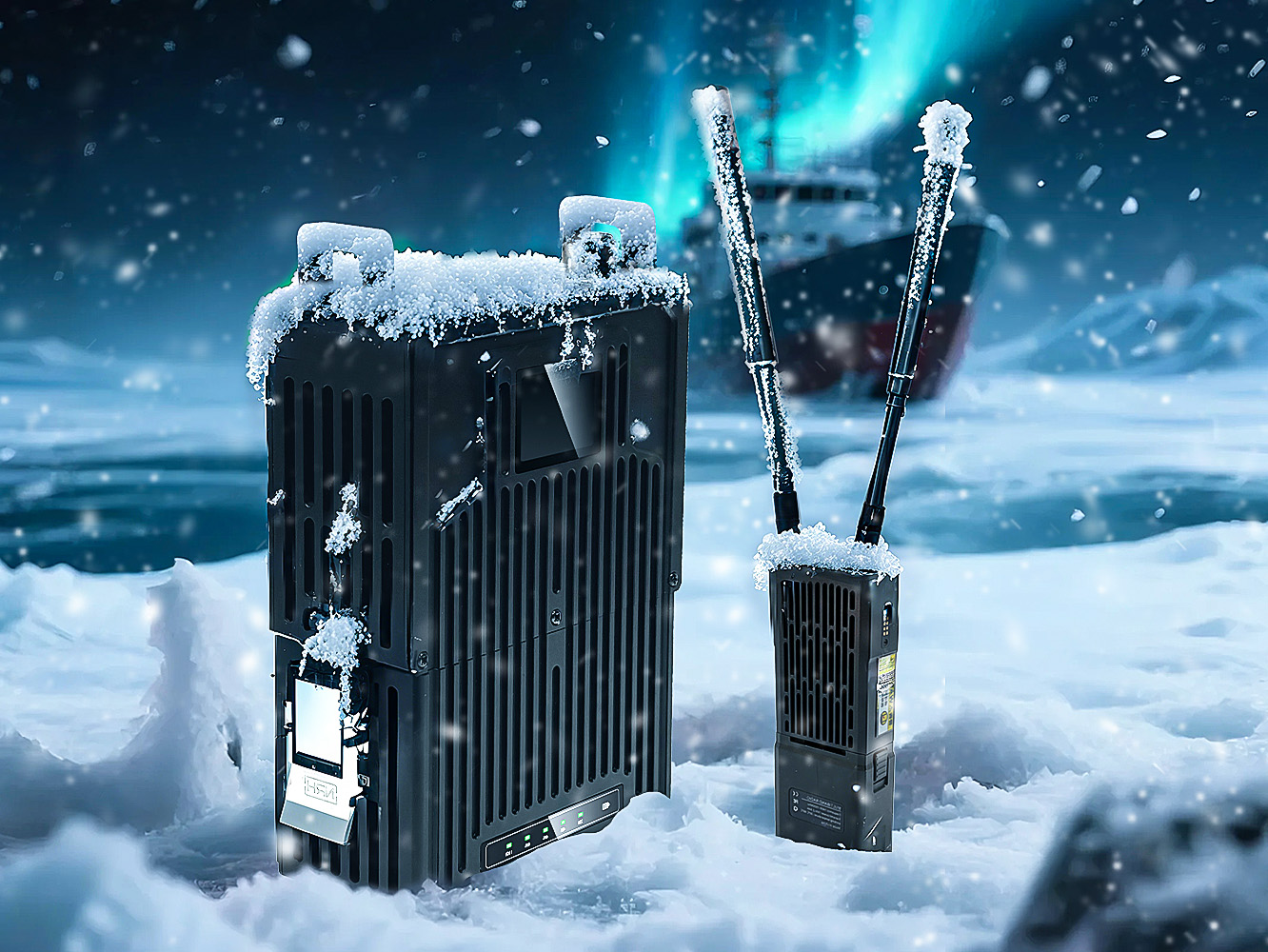
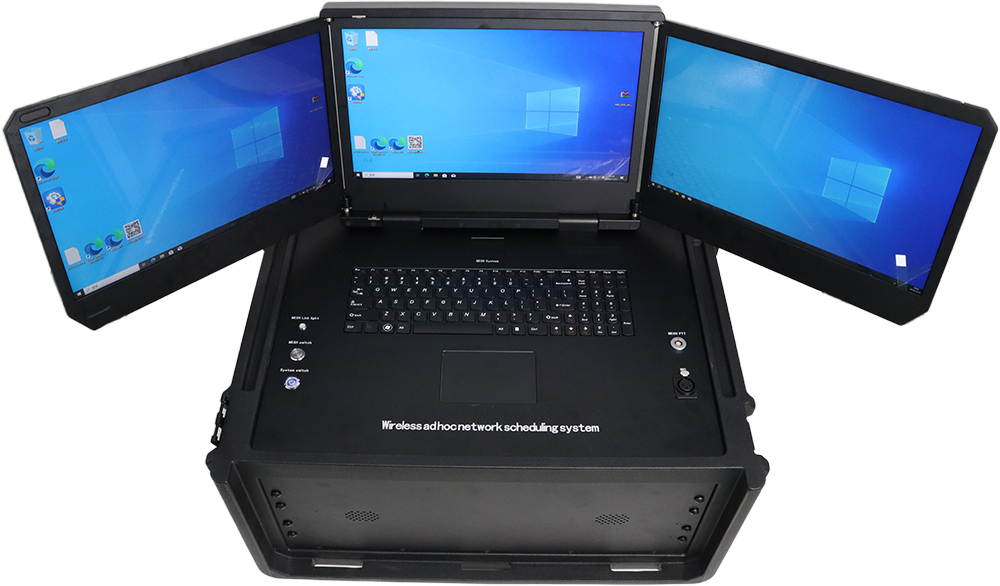
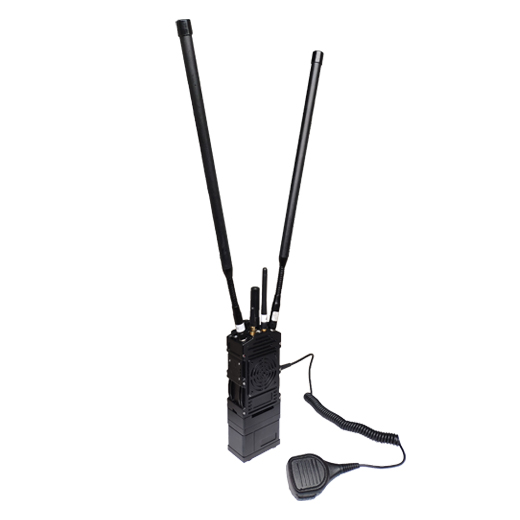
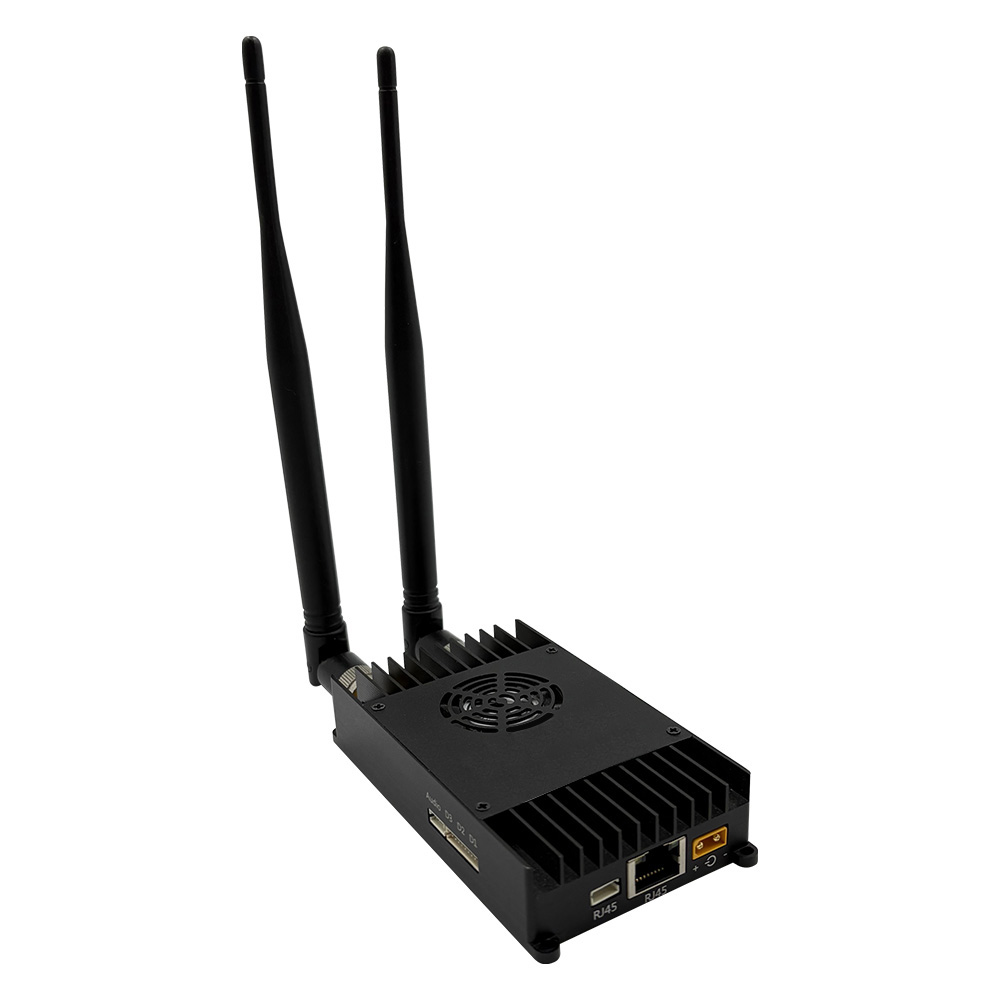
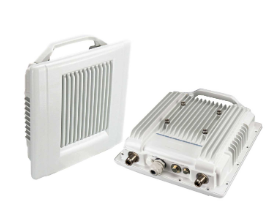
For stable transmission in elevator shafts, tqwifi TQ-5800M MESH Intelligent Wireless Adhoc Network Transmission Device is recommended.
MIMO technology: improves anti-fading and signal stability
MESH adhoc networking: supports multi-node relay and flexible segmented deployment
5GHz high-speed transmission: supports 4K video backhaul
Industrial-grade design: adapts to shaft temperature, vibration and complex environment
Location | Equipment |
Shaft top | 5GHz wireless bridge / master node |
Shaft bottom | 5GHz wireless bridge / slave node |
Middle floors (optional) | MESH relay nodes |
This structure effectively reduces attenuation and improves link stability.
Prioritize vertical line-of-sight links
Keep equipment away from metal and large obstacles
Conduct on-site signal testing before formal construction
Use segmented relay design for high-rise or complex shafts
Select industrial-grade devices for long-term stability
tqwifi is a professional manufacturer of MESH and wireless bridge equipment, providing stable solutions for elevator shaft and building wireless projects.
Factory direct supply: competitive cost without middlemen
Professional technical support: on-site testing and configuration guidance
Full product line: economical to industrial-grade models
Proven engineering experience: stable performance in vertical scenarios
If you need a wireless transmission solution for elevator monitoring, building security or vertical data backhaul, please contact the tqwifi technical team for customized product selection and deployment support.
In elevator shaft environments, 5GHz wireless bridges face inevitable signal attenuation due to concrete, metal and dynamic obstacles. With proper antenna placement, channel optimization and segmented MESH relay, stable wireless backhaul can be achieved. For high-reliability monitoring and communication systems, industrial-grade equipment and standardized engineering deployment are strongly recommended to ensure long-term stable operation.