

What Is an IP Mesh Radio and How Does It Work?
2025-10-24


In drone inspection, emergency rescue, forest fire monitoring, and similar scenarios, stable real-time video backhaul is critical for operational efficiency and safety. IP Mesh radio, a decentralized ad-hoc networking technology, provides reliable wireless transmission in environments without cellular base stations or under complex terrain conditions. This guide explains core principles, practical applications, and field deployment best practices for drone video backhaul.
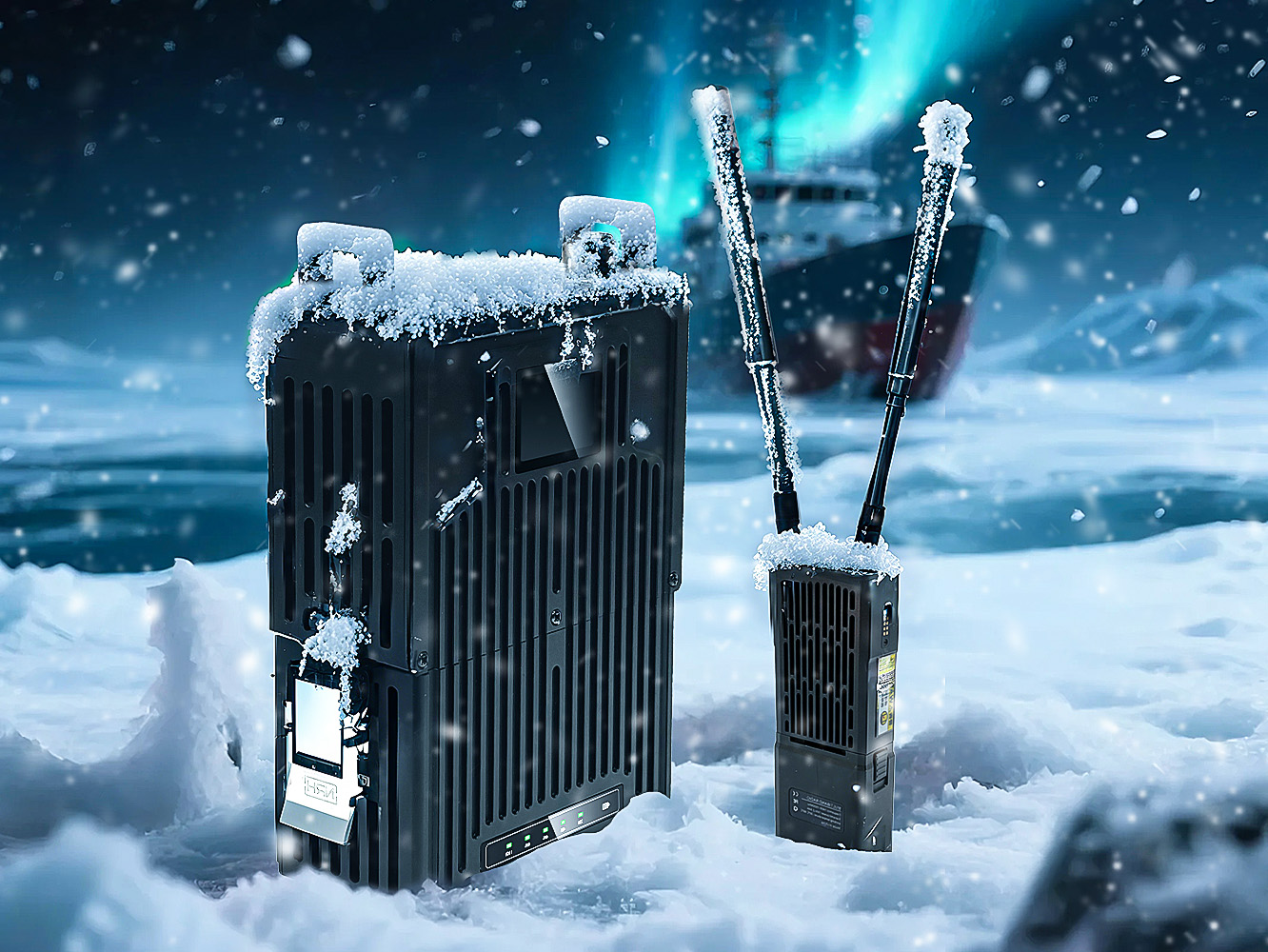
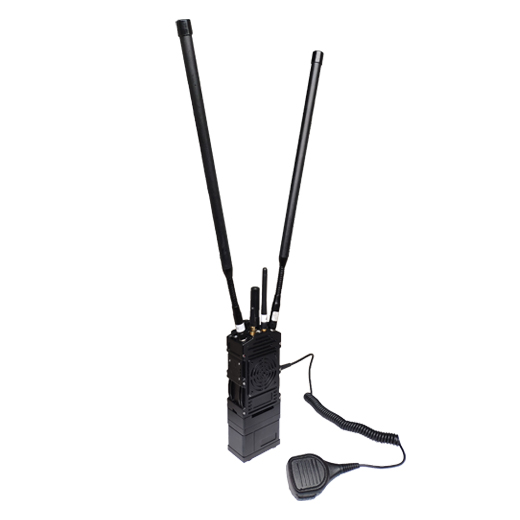
IP Mesh radio is a decentralized wireless networking technology where each node acts as both a communication endpoint and a data relay.
· Automatic networking: No fixed infrastructure required
· Multi-hop relay: Extends communication distance
· Self-healing: Automatically re-establishes links when interrupted
· IP-based service support: Compatible with HD video, data, and control signals
Traditional wireless links are easily disrupted by mountains, buildings, and vegetation. IP Mesh radio improves stability through multi-node coordination and dynamic path selection.
Obstacle bypass via multi-hop relay
Stable links with automatic optimal path selection
Adaptable to high-speed movement of drones and ground equipment
Works in non-public network areas: nature reserves, mountains, offshore sites
Enables stable long-range HD video transmission
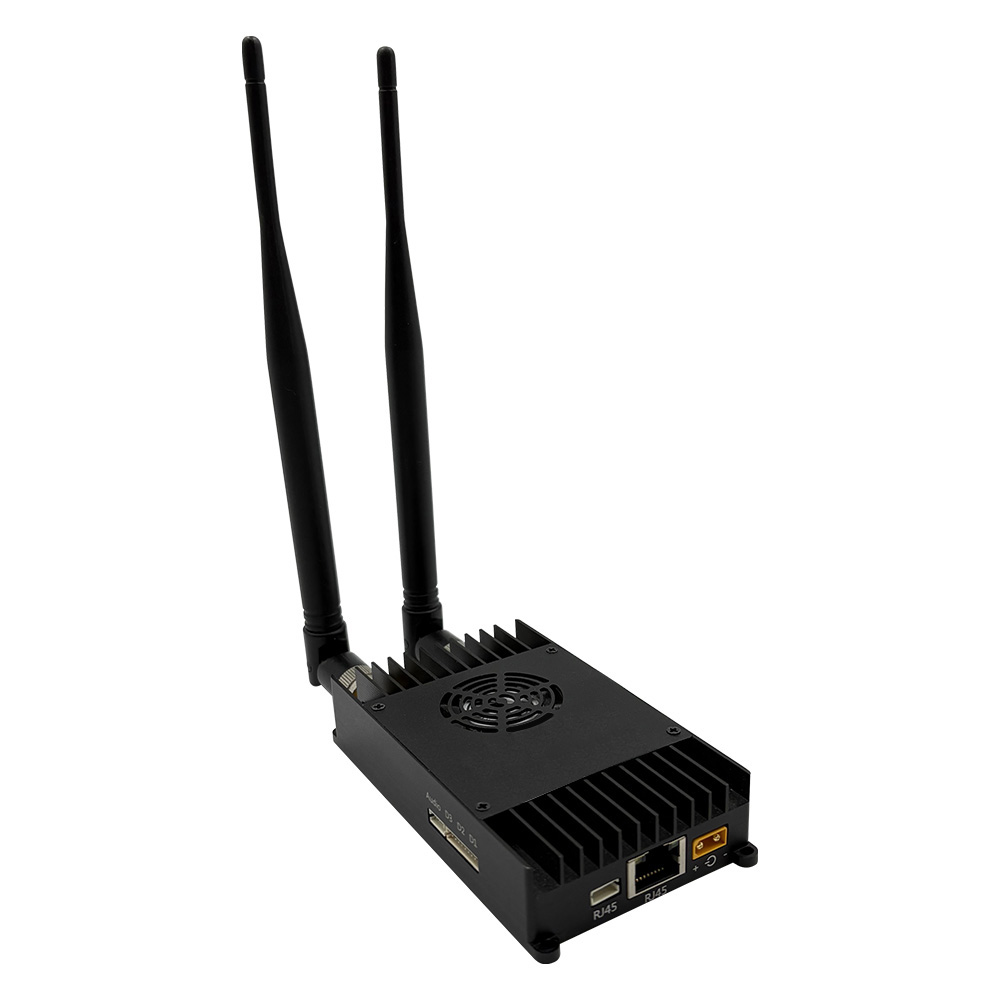
1. Drone onboard node (lightweight IP Mesh module)
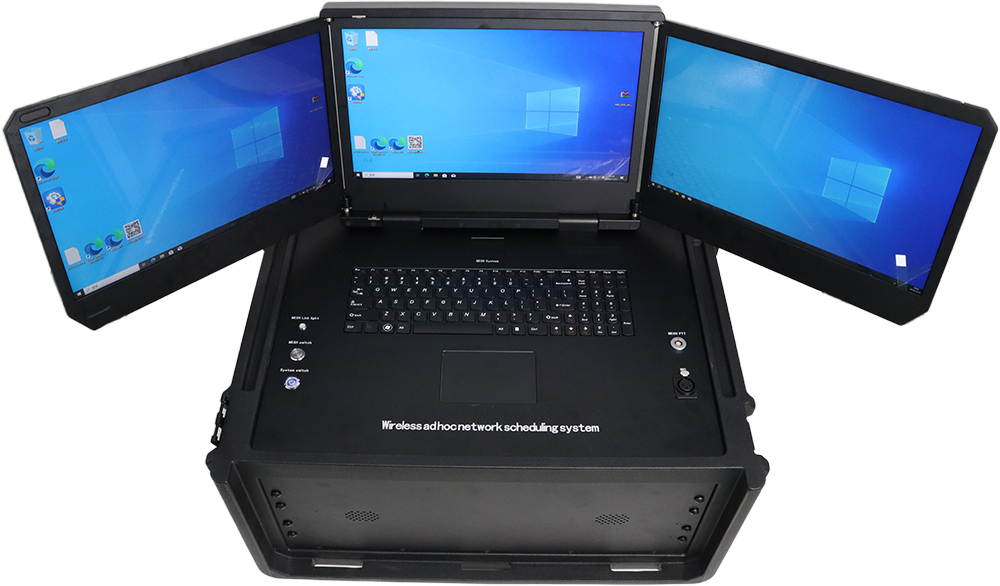
2. Ground receiving station (portable or vehicle-mounted)
3. Relay nodes (deployed on high ground or relay drones)
1. Camera captures visible light or thermal video
2. Video encoded with H.264 / H.265
3. Data transmitted via IP Mesh radio
4. Multi-hop relay to ground command center
5. Stable long-range wireless video backhaul completed
Equipment | Role |
Drone Platform | Carries communication and imaging equipment |
IP Mesh Radio | Core data and video transmission |
Imaging Device | Visible light / thermal imaging capture |
Ground Control Station | Video reception, monitoring, and flight control |
Environmental obstacles and electromagnetic interference
Number and spatial layout of relay nodes
Video bitrate and encoding format
Antenna position, height, and polarization
1. Select IP Mesh radio equipment suitable for drone weight and mission range
2. Configure operating frequency (1.4 GHz / 2.4 GHz / 5.8 GHz) and network parameters
3. Install onboard module with vibration damping and heat dissipation; set up ground station
4. Test link quality and adjust antenna direction
5. Add vehicle or drone relay nodes to extend range as needed
Problem | Solution |
Unstable signal | Optimize node positions, reduce obstacles, adjust antenna angle |
Video lag or stuttering | Reduce bitrate, use H.265 encoding, add relay nodes |
Transmission blocked | Add Mesh relay nodes or adjust flight path |
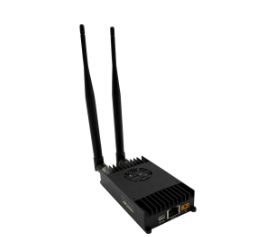
High-reliability IP Mesh solutions support stable drone video backhaul for industrial and emergency scenarios.
Ultra-low latency: Approximately 10–30 ms
Single-hop coverage: 5–15 km
Multi-hop support: 5+ hops, total coverage up to 50 km
Operating temperature: -40°C to +70°C
Rugged design: IP67 protection, anti-vibration, anti-interference
Adaptive anti-interference technology for complex electromagnetic environments
Lightweight onboard module compatible with mainstream drone platforms
Quick deployment: automatic networking on power-on
Supports satellite communication expansion for ultra-long-range missions
IP Mesh radio uses ad-hoc networking and multi-hop relay to provide reliable video backhaul for drones. It performs better than traditional wireless links in complex environments and long-distance missions. Proper node layout, parameter configuration, and relay deployment are key to stable video transmission.
If you are looking for an IP Mesh solution for drone video transmission, emergency communications, or field monitoring, please contact the tqwifi technical team for customized solutions and product selection advice. We offer sample testing and on-site technical support.