

What Is an IP Mesh Radio and How Does It Work?
2025-10-24


In industrial environments and high-density office areas, wireless network bridges often face complex wireless interference issues. Maintaining link stability in such interference environments is a key challenge in network deployment. This article analyzes the anti-interference advantages of private protocols from the perspectives of interference sources, technical mechanisms, and practical applications.
Wireless network bridges typically operate in the 2.4GHz or 5GHz unlicensed bands, where various devices may generate interference:
Co-channel Wi-Fi networks: Neighboring office or public hotspots occupy the same channels, easily causing channel contention
Bluetooth devices: Frequency hopping mechanisms can introduce intermittent interference
Non-Wi-Fi devices: Microwave ovens, wireless cameras, cordless phones generate wideband noise
Industrial electromagnetic interference: Welders, frequency converters, etc., can cause strong interference to communications
In standard Wi-Fi (802.11), CSMA/CA uses a backoff mechanism to reduce collisions, but in high-interference environments it leads to throughput degradation and latency fluctuations.
To address the above issues, private protocols (such as tqwifi iPoll) optimize the MAC layer access method, shifting from “contention” to “scheduling” to improve wireless link stability.
iPoll adopts a TDMA (Time Division Multiple Access) mechanism, dividing communication into multiple time slots. Each node transmits in sequence, avoiding collisions caused by random contention.
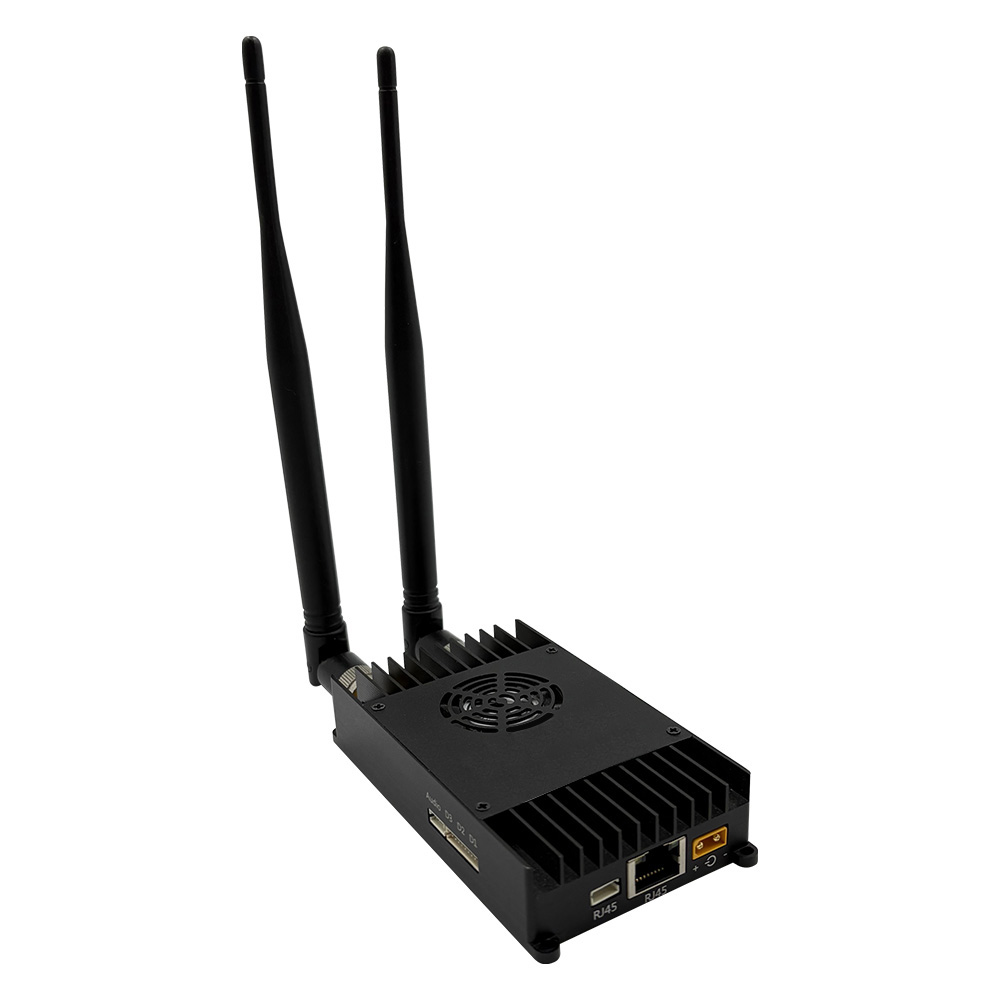
Taking the tqwifi TQ-5723WJ as an example, in actual bridge deployments, after enabling iPoll, multiple nodes can be synchronized into a unified time slot table and transmit data in order. For medium-to-long distance links (e.g., several kilometers), this method effectively reduces collision probability and improves overall link stability.
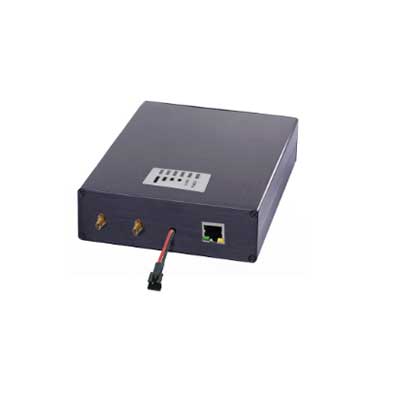
TQ-5723WJ
iPoll uses a master-slave polling method and dynamically adjusts strategies based on link status:
Nodes with good link quality receive less frequent polling
Nodes with weak signals or more interference receive more retransmission opportunities
This mechanism balances efficiency and reliability in complex wireless environments, keeping packet loss and latency relatively stable.
At the physical layer, private protocols typically combine the following means to enhance anti-interference capability:
Adjustable channel bandwidth (5/10/20 MHz)
Forward Error Correction (FEC) mechanism
More flexible spectrum utilization strategies
When interference is strong, reducing bandwidth can improve link anti-interference ability, maintaining communication even if part of the spectrum is affected.
Metric | Standard Wi‑Fi | iPoll Private Protocol |
Throughput | Easily degraded by interference | More stable in interference environments |
Packet loss | Tends to increase under interference | Effectively controlled |
Latency | High fluctuation | Relatively stable |
Link stability | Risk of disconnection | Stable, continuous transmission |
Note: The above shows typical trends. Actual performance depends on environment, distance, and device configuration.
Private protocol wireless network bridges are suitable for the following typical environments:
High-density WiFi areas: Office buildings, campus wireless coverage
Industrial manufacturing workshops: Welding, frequency converters, and other strong interference environments
Ports and mining areas: Interference from radar or large equipment
tqwifi, located in Dongguan, Guangdong Province, is a high-tech enterprise specializing in high-reliability communication equipment. Its self-developed iPoll private protocol has been applied to the TQ series wireless network bridges. The products are precision-manufactured to military-grade standards, certified with ISO9001, and have extensive deployment experience in emergency response, public security, electric power, water conservancy, and other industries.
ISO 9001 Certification Certificate
In complex interference environments, standard WiFi protocols are often constrained, while private protocols – through TDMA time slot allocation, intelligent polling, and physical layer optimization – can significantly improve the stability of wireless network bridges.