

The Application of IP Mesh Radio in Military and Unmanned Aerial Vehicle (UAV) Communications
2025-10-28


In modern warfare and unmanned systems, real-time, reliable, and secure communication determines the success of missions. Whether it’s coordinating tactical ground operations, controlling unmanned aerial vehicles (UAVs), or maintaining connectivity across dynamic environments, the demand for high-bandwidth, low-latency communication has never been higher.
This is where IP Mesh Radios come into play. By providing a self-forming, self-healing, and decentralized wireless network, they enable seamless connectivity even in environments where traditional wireless systems fail. This article explores the core applications of IP Mesh Radios in military communication and UAV systems, highlighting how they enhance operational efficiency and mission success.
1. What Are IP Mesh Radios?
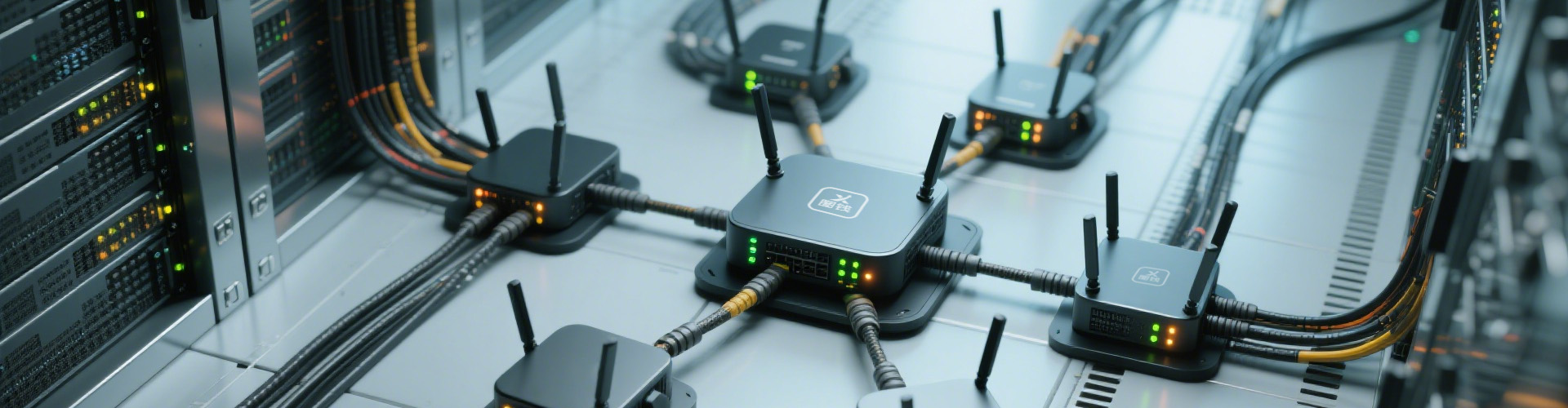
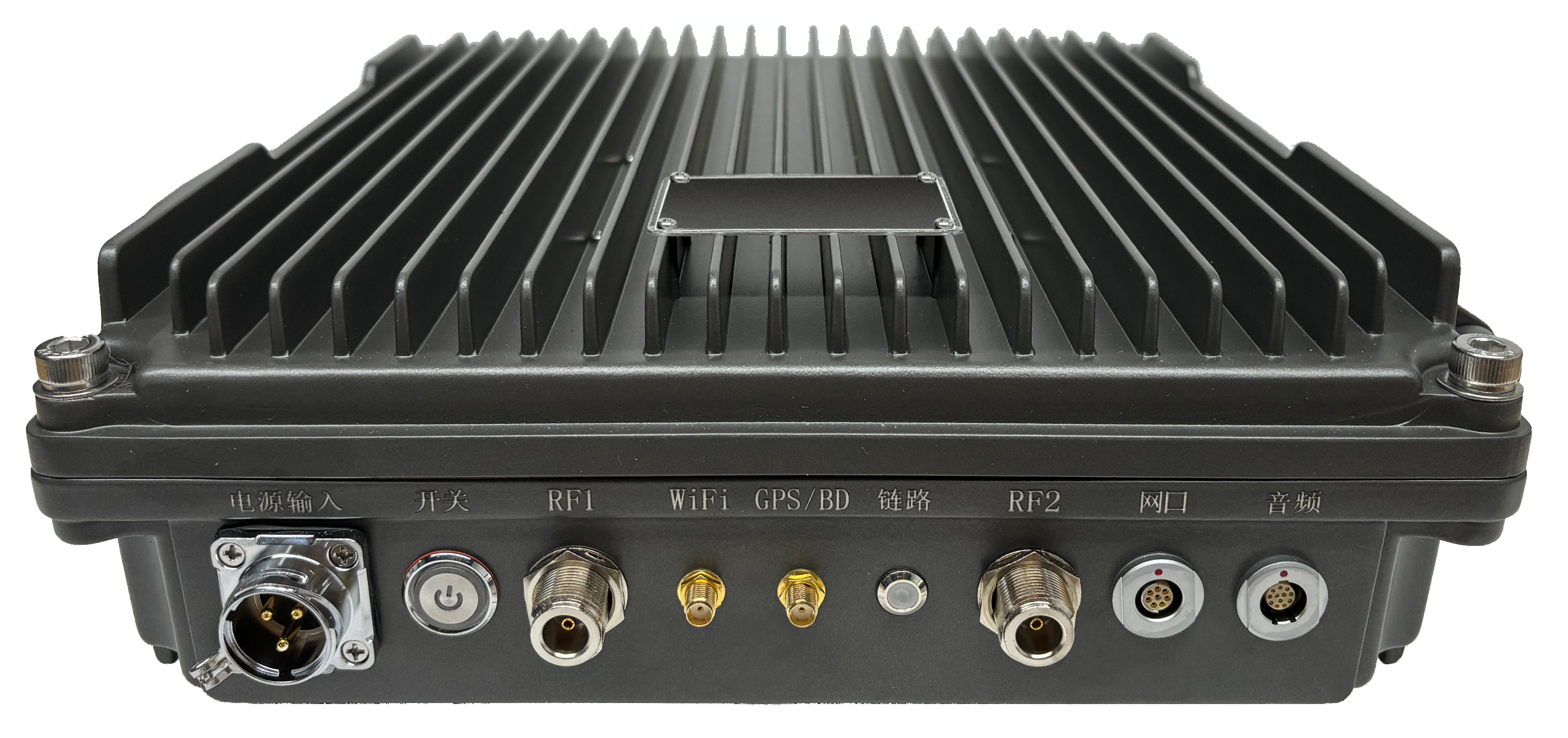
An IP Mesh Radio is a type of wireless communication device that forms a mesh network, where every node acts as both a transmitter and a receiver. Unlike traditional point-to-point or point-to-multipoint systems that depend on a central base station, mesh networks allow data to hop dynamically between multiple nodes.
This decentralized structure ensures resilience, scalability, and flexibility—making IP Mesh technology ideal for demanding tactical and aerial applications.
Learn more about the difference between IP Mesh and Traditional Wireless Networks in our guide:
IP Mesh vs Traditional Wireless Network: What’s the Difference?
2. Role of IP Mesh Radios in Military Communication
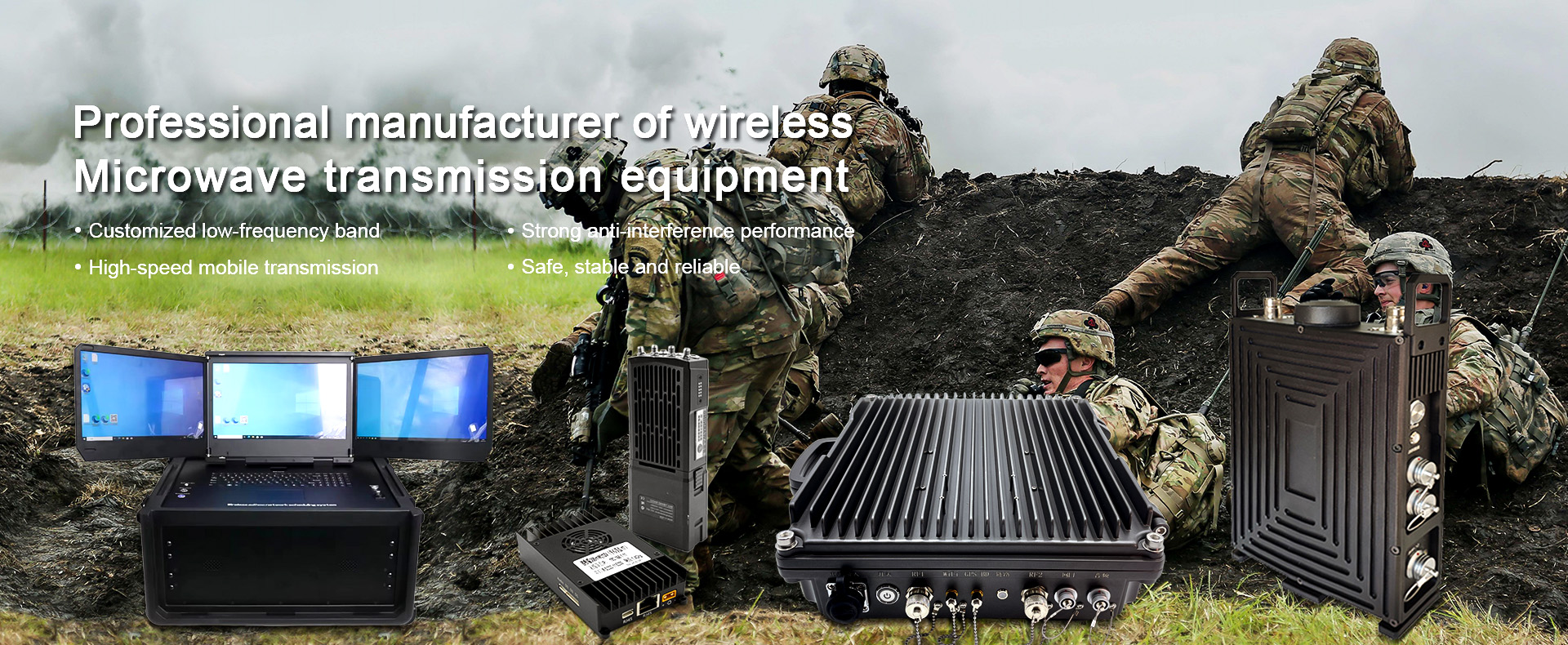
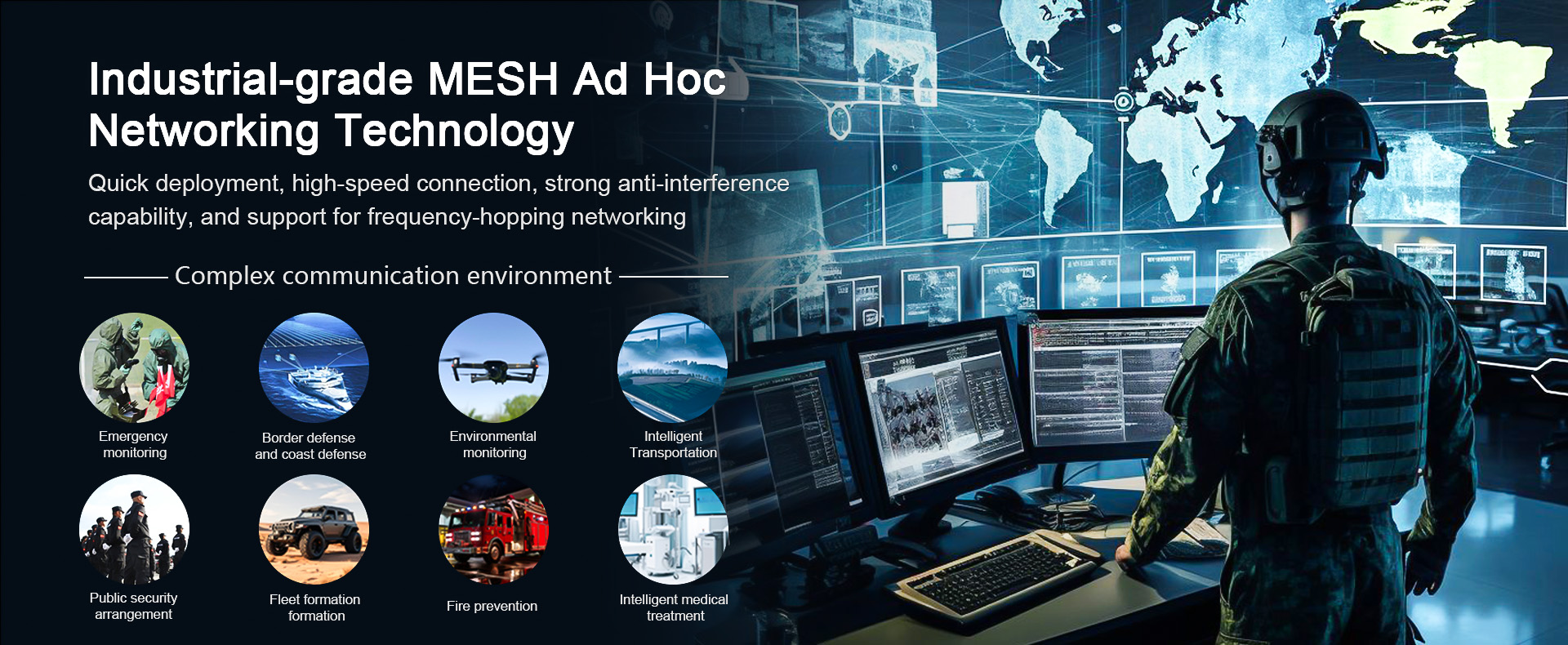
In battlefield environments, communication must continue even when infrastructure is unavailable or damaged. IP Mesh Radios form instant ad hoc networks, allowing soldiers, vehicles, and command centers to maintain voice, video, and data links in real time.
Self-Forming: Units can deploy communication networks in minutes without fixed towers.
Self-Healing: If one node is destroyed or jammed, data automatically reroutes through other paths.
Wide Coverage: Multi-hop links extend connectivity across valleys, cities, or mountainous terrain.
Mesh radios support high-definition (HD) video streaming, telemetry, and positional data—providing commanders with a complete picture of the battlefield. Real-time visual intelligence from ground troops, drones, and armored vehicles enables faster and more accurate decision-making.
Military-grade IP Mesh Radios, such as those from TuQian, use AES encryption, frequency hopping, and secure IP protocols to protect sensitive data from interception or jamming. This ensures confidentiality and operational security in electronic warfare conditions.
3. IP Mesh Radios in UAV Communication
Unmanned aerial vehicles (UAVs) rely on robust communication systems to transmit telemetry, control commands, and video feeds. IP Mesh Radios enable UAVs to communicate directly with each other and with ground stations—creating a UAV swarm network that maintains continuous data flow without depending on a single control point.
Low Latency: Ensures responsive flight control and live video feedback.
Extended Range: Multi-hop links allow drones to operate far beyond line-of-sight limitations.
Dynamic Networking: UAVs automatically join or leave the mesh as they move through the mission area.
In long-range reconnaissance or disaster monitoring, direct radio communication may be blocked by terrain or buildings. IP Mesh technology allows multi-node relaying, ensuring stable transmission even when no direct path exists between the drone and the base.
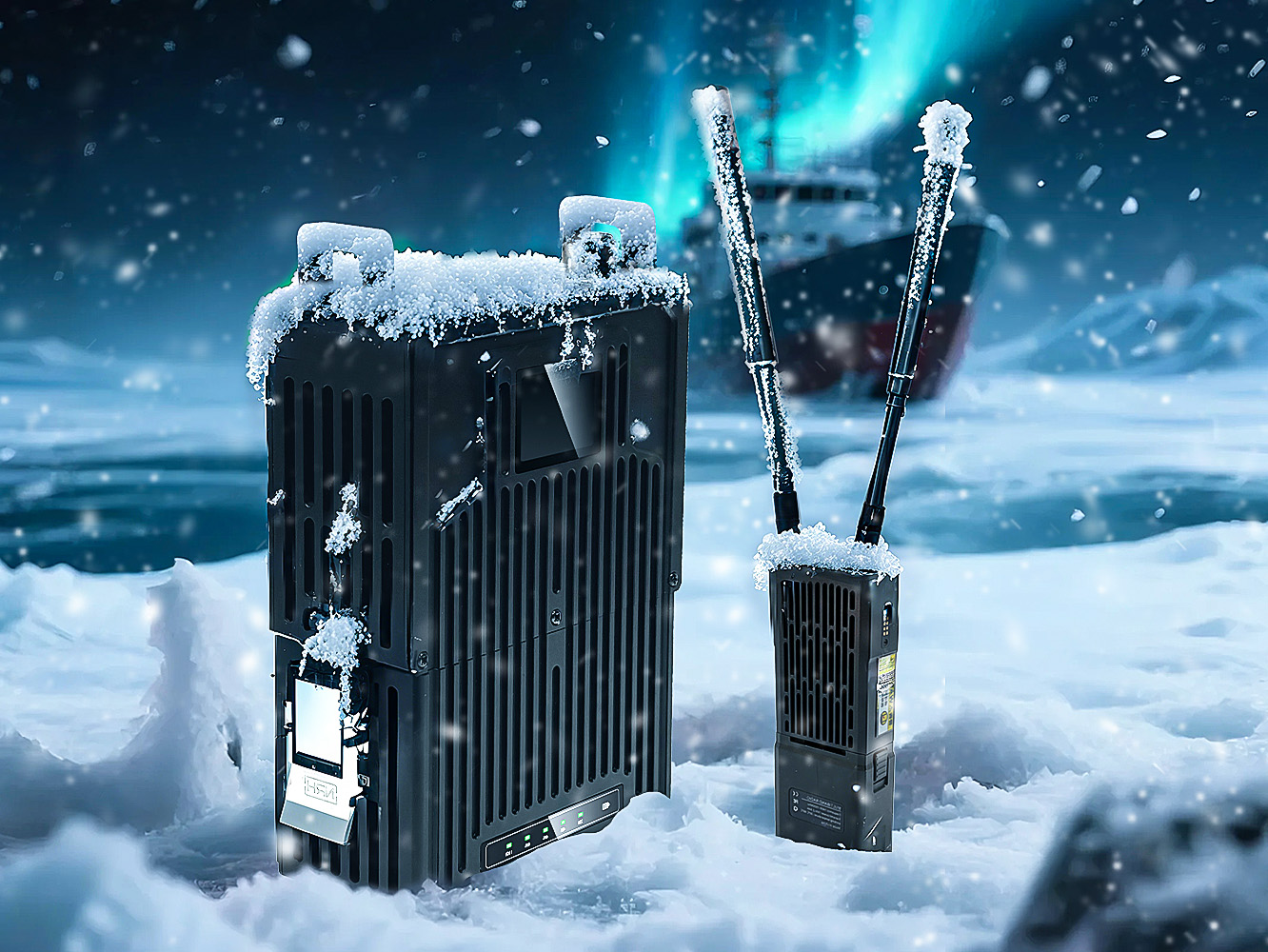
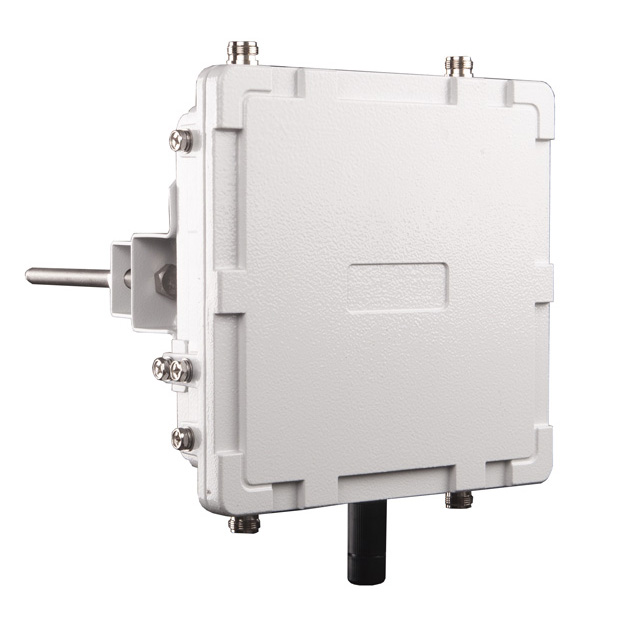
TuQian IP Mesh Radios can be integrated into ground vehicles, UAVs, and portable stations, forming a hybrid mesh system that combines air and ground connectivity—ideal for coordinated search-and-rescue missions, border surveillance, and mobile command systems.
Explore how Mesh Radio Networks operate in our in-depth article:
What Is a Mesh Network Radio and How Does It Work?
4. Key Advantages for Defense and UAV Operations
Self-Organizing: Rapidly forms a network without existing infrastructure.
Self-Healing: Automatically reroutes communication if a node is lost.
Mobility: Perfect for fast-moving units, drones, and vehicles.
High Bandwidth: Supports real-time HD video and multiple data streams.
Secure Transmission: AES-encrypted and frequency-hopping protection.
Scalable Deployment: The more nodes added, the stronger the network becomes.
These advantages make IP Mesh technology a preferred solution for modern military communication systems, UAV fleets, emergency response, and industrial IoT applications.
5. Real-World Use Cases
Battlefield Situational Awareness: Continuous communication between infantry, command posts, and UAVs.
Disaster Relief: Establishing communication networks where traditional infrastructure is destroyed.
Border Surveillance: Linking multiple observation points and drones over wide areas.
Mobile Command Centers: Secure, real-time coordination in field operations.
Search and Rescue Missions: Live video transmission from UAVs to ground teams in remote regions.
See related applications of IP Mesh Radios in defense technology:
Applications of IP Mesh Radios in Military and UAV Communication
6. Why Choose TuQian IP Mesh Radios
TuQian is a professional supplier of tactical wireless communication systems, specializing in IP Mesh Radios, wireless bridge systems, and ad hoc networking solutions. Designed for military, UAV, and industrial
operations, TuQian’s products deliver reliable, real-time communication even in harsh or mobile environments.
TuQian Advantages:
Self-forming and self-healing mesh topology
AES-encrypted secure data transmission
Long-range and low-latency communication
Supports UAVs, vehicles, and field deployments
Ruggedized design for extreme conditions
Fully customizable frequency options (2.4GHz / 5.8GHz / custom bands)
For more details on TuQian’s complete range of Mesh and Microwave Communication Systems, visit:
TuQian Wireless Communication Solutions
7. Conclusion
In the age of unmanned systems and digital warfare, IP Mesh Radios have become the backbone of tactical communication networks. Their ability to form dynamic, reliable, and secure connections across air, land, and sea ensures uninterrupted situational awareness and mission success.
As UAV and defense technologies evolve, the integration of TuQian IP Mesh Radios offers organizations a powerful advantage—seamless connectivity, superior reliability, and tactical control in every environment.