

What Is an IP Mesh Radio and How Does It Work?
2025-10-24


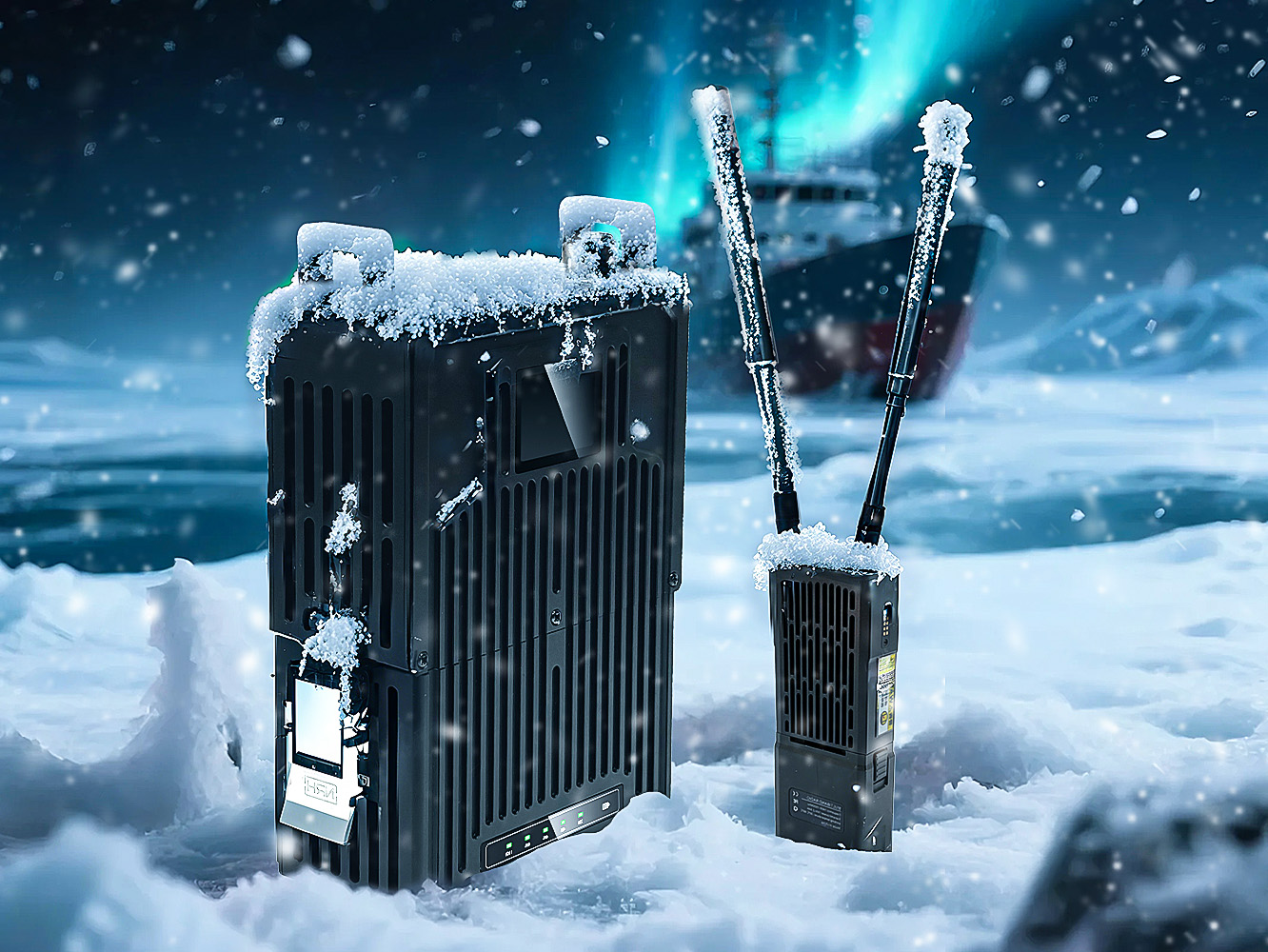
In off-grid field environments, a reliable power supply is essential for continuous operation of IP Mesh radio networks. Wind-solar hybrid power systems provide stable, renewable off-grid energy for long-term unattended Mesh nodes. This guide explains system design, deployment, and optimization.
IP Mesh networks are often deployed in areas without utility power:
Mountains, forests, and remote sites
Border patrol & unattended monitoring
Emergency & temporary communication sites
A self-sustaining power system ensures 24/7 operation.
Wind-solar hybrid systems combine solar and wind generation with battery storage to provide consistent power.
Advantages:
Solar for daytime generation
Wind for night & low-light conditions
Battery storage for continuous supply
High reliability for unattended field use
A complete power + communication system includes:
Component | Function |
Solar panel | Primary daytime power |
Wind turbine | Supplementary night/rainy power |
Battery pack | Energy storage & backup |
Controller | Charge/discharge management |
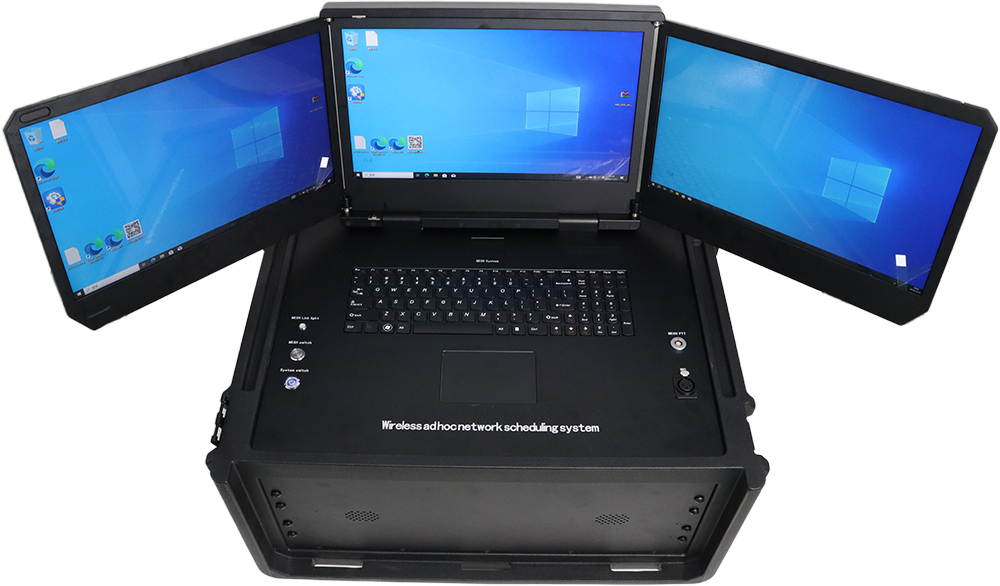
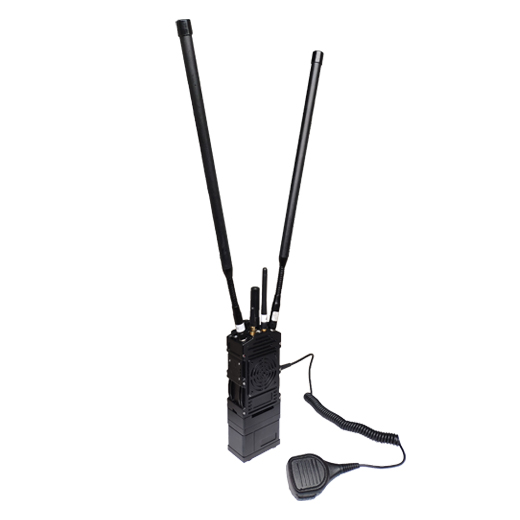
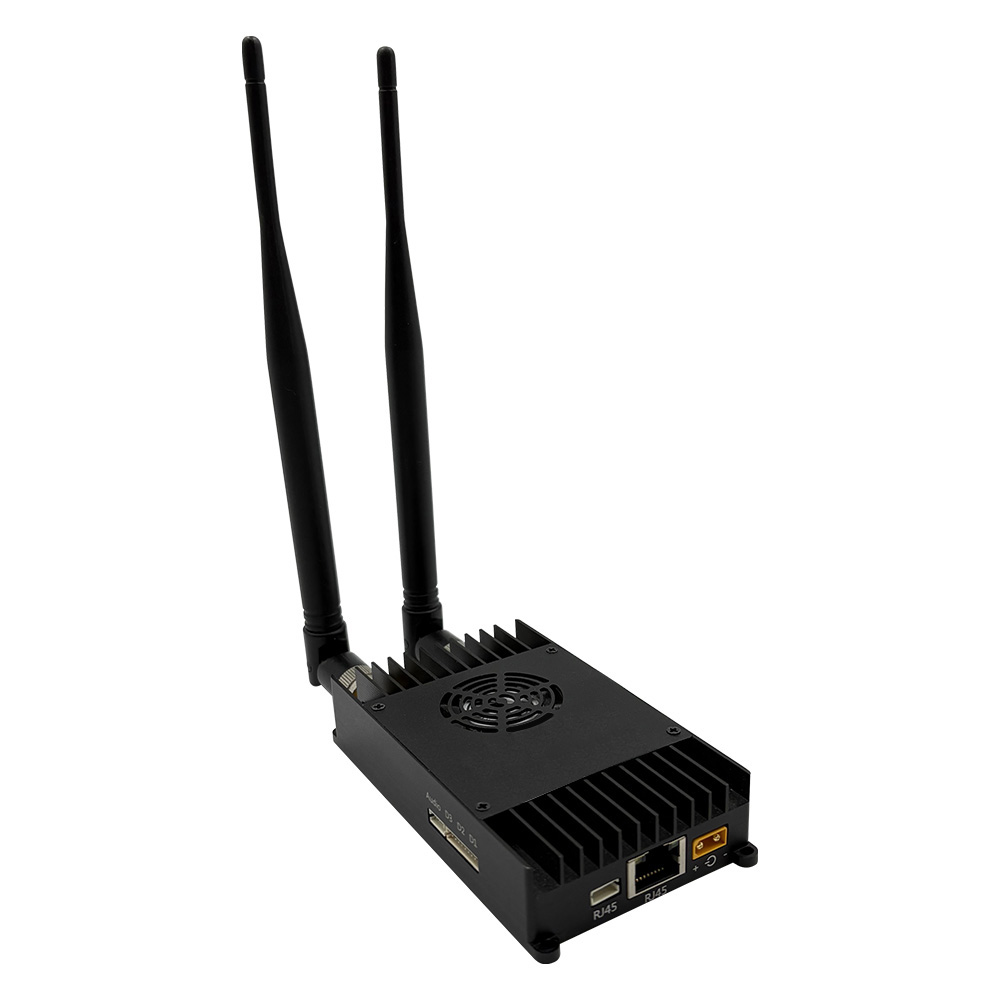
IP Mesh node | Wireless communication & relay |
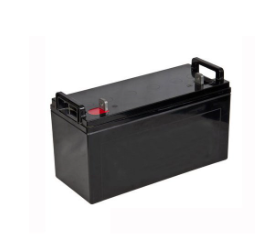
tqwifi provides matched low-power Mesh devices and 100Ah solar batteries for plug-and-play off-grid deployment.
The core is energy balance:
Calculate daily equipment power consumption
Match to local solar/wind resources
Size batteries for multi-day low-light backup
Ensure waterproof, lightning protection, and ventilation
Install solar panels toward south (best sunlight)
Mount wind turbines at high points, clear of obstacles
Avoid shadows from trees & buildings
Use waterproof enclosures and proper grounding
Test power generation before full deployment
Low power in rainy seasons: Increase battery capacity
Unstable wind: Boost solar proportion or upgrade turbine
System overload: Use low-power Mesh nodes
Link instability: Optimize node placement & relay structure
Lower-power Mesh radio hardware
Smart energy management systems
Deeper IoT & cloud integration
Larger-scale off-grid Mesh networks
This combination will become a standard solution for remote monitoring and emergency communication.
tqwifi delivers integrated communication + power solutions:
Low-power IP Mesh devices optimized for renewable power
One-stop wind-solar + Mesh system design
Full technical support from planning to deployment
Factory-direct quality and cost efficiency
For off-grid Mesh projects in field monitoring, border patrol, or emergency response, contact tqwifi for a custom wind-solar hybrid power + IP Mesh solution.
Wind-solar hybrid power provides a reliable energy foundation for off-grid IP Mesh radio networks. With proper design and deployment, you can build a maintenance-free, long-distance wireless communication system for remote and unattended scenarios.