

What Is an IP Mesh Radio and How Does It Work?
2025-10-24


In dedicated communication networks and industry-level wireless systems, stable and controllable transmission links form the foundation of reliable network operation. Point to point link technology, characterized by its clear structure and consistent performance, is widely used in wireless backhaul, industrial communication, and long-distance data transmission.
Technical Architecture of Point to Point Links
A point to point link refers to a dedicated communication connection established between two fixed or semi-fixed nodes. In wireless systems, this link is typically implemented using directional radios and antennas to transmit signals along a defined path.
This architecture eliminates the need for intermediate relay nodes, enabling straightforward link management, bandwidth planning, and latency control.
Key Technical Characteristics
From a technical perspective, point to point links offer several practical advantages:
Fixed communication paths for predictable network behavior
High link stability for continuous operation
Predictable latency, supporting real-time data and video transmission
Strong interference resistance, particularly in directional deployments
These characteristics make point to point links a fundamental building block of wireless communication networks.
Typical Application Scenarios
Point to point links are commonly deployed in:
Wireless backhaul connections between base stations
Data communication between industrial sites or energy facilities
Backbone links for video surveillance systems
Network extension in remote or temporary deployment scenarios
In environments where cabling is impractical or costly, point to point links provide a reliable alternative for network connectivity.
Technology Development Trends
With ongoing advancements in wireless communication technology, point to point links continue to evolve toward higher throughput, lower latency, and multi-band operation. Improvements in modulation techniques, RF design, and link management further enhance performance in complex electromagnetic environments.
In modern network deployments, point to point links are often integrated with IP Mesh and self-organizing networks to form layered and complementary communication architectures.
Conclusion
Point to point link technology remains a reliable and well-established communication method. Its emphasis on stability and controllability ensures continued relevance in industry-specific and mission-critical wireless networks.
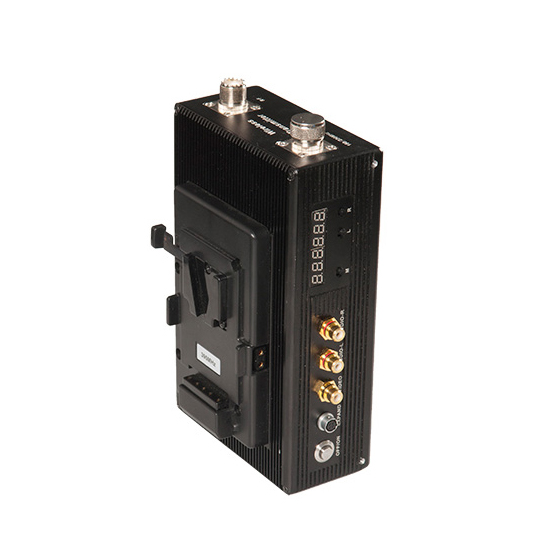
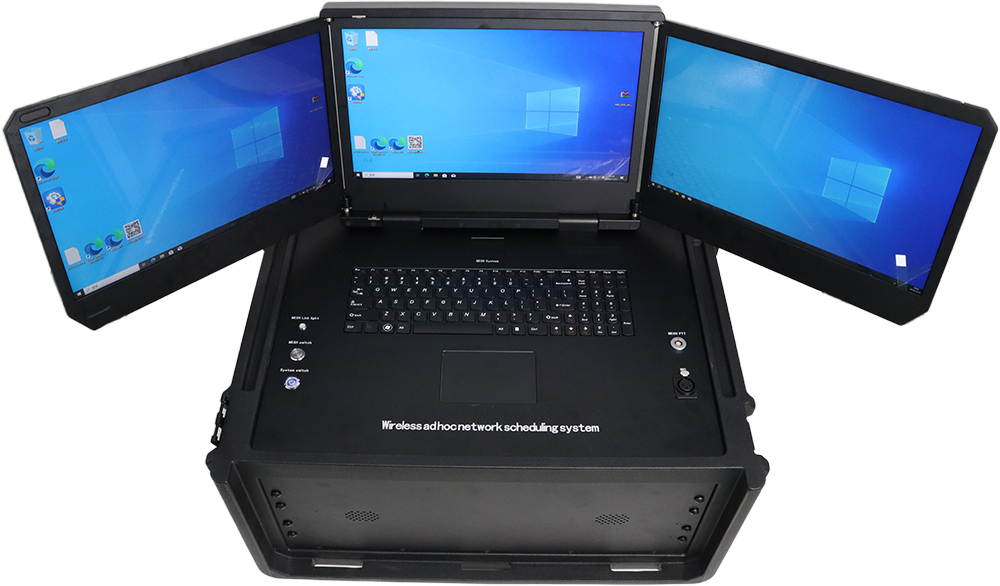
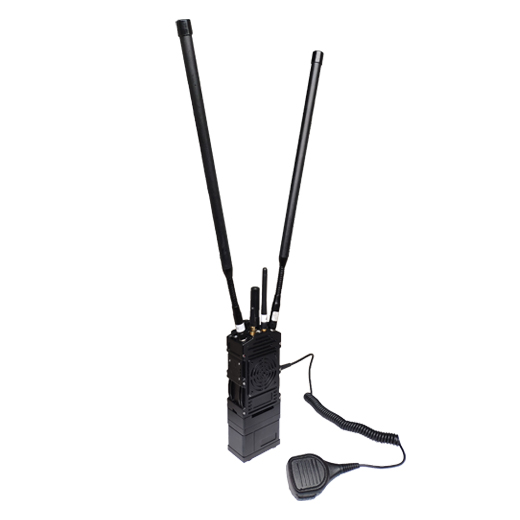
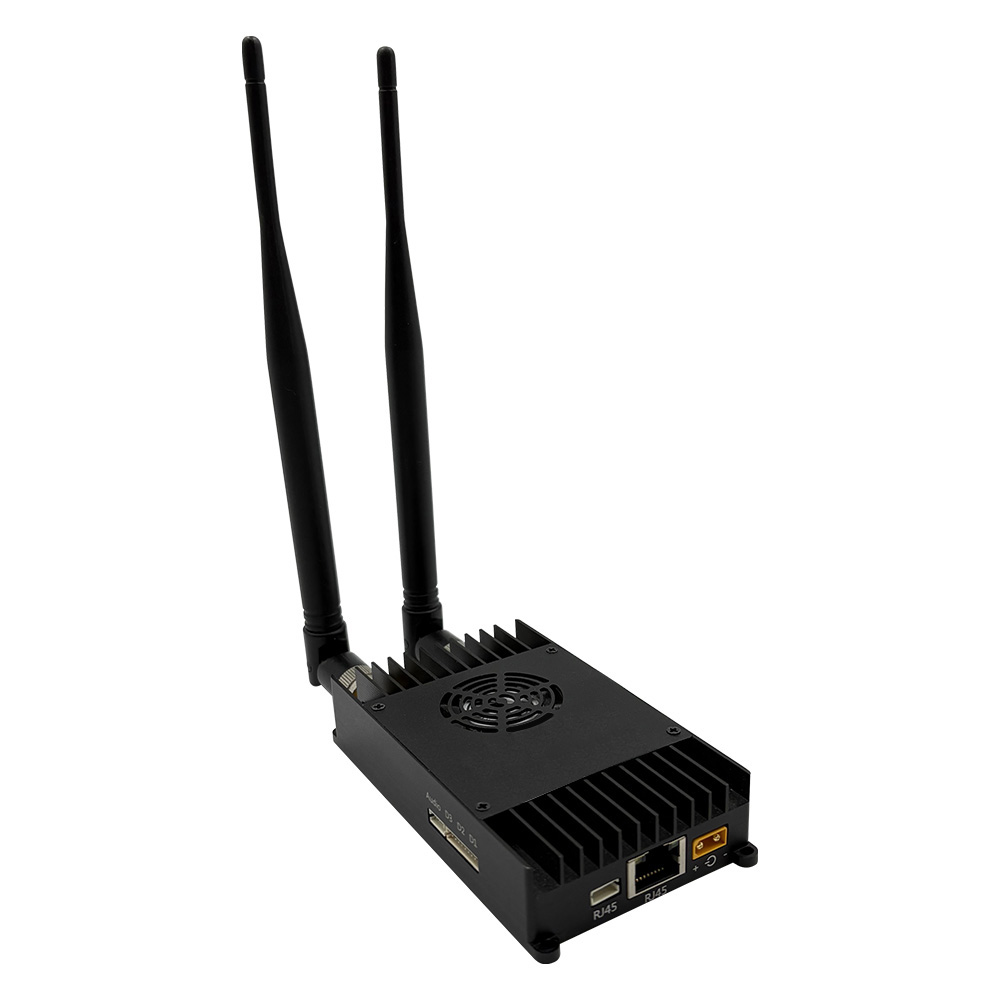
TuQian is a professional manufacturer specializing in wireless communication and transmission systems, including advanced IP Mesh radios designed for military, industrial, and emergency applications.
TuQian IP Mesh radios offer the following key features:
High-speed data and high-definition video transmission with ultra-low latency
Self-organizing and self-healing networking, suitable for dynamic and mobile operations
Ruggedized design, field-tested for reliable performance in harsh environments
Flexible frequency options, including 2.4 GHz, 5.8 GHz, and customized frequency bands
Support for UAVs, vehicles, and ground stations, enabling seamless multi-node communication
With strong in-house R&D capabilities and proven real-world performance, TuQian IP Mesh radios help organizations deploy reliable, flexible, and intelligent wireless communication networks anytime and anywhere.