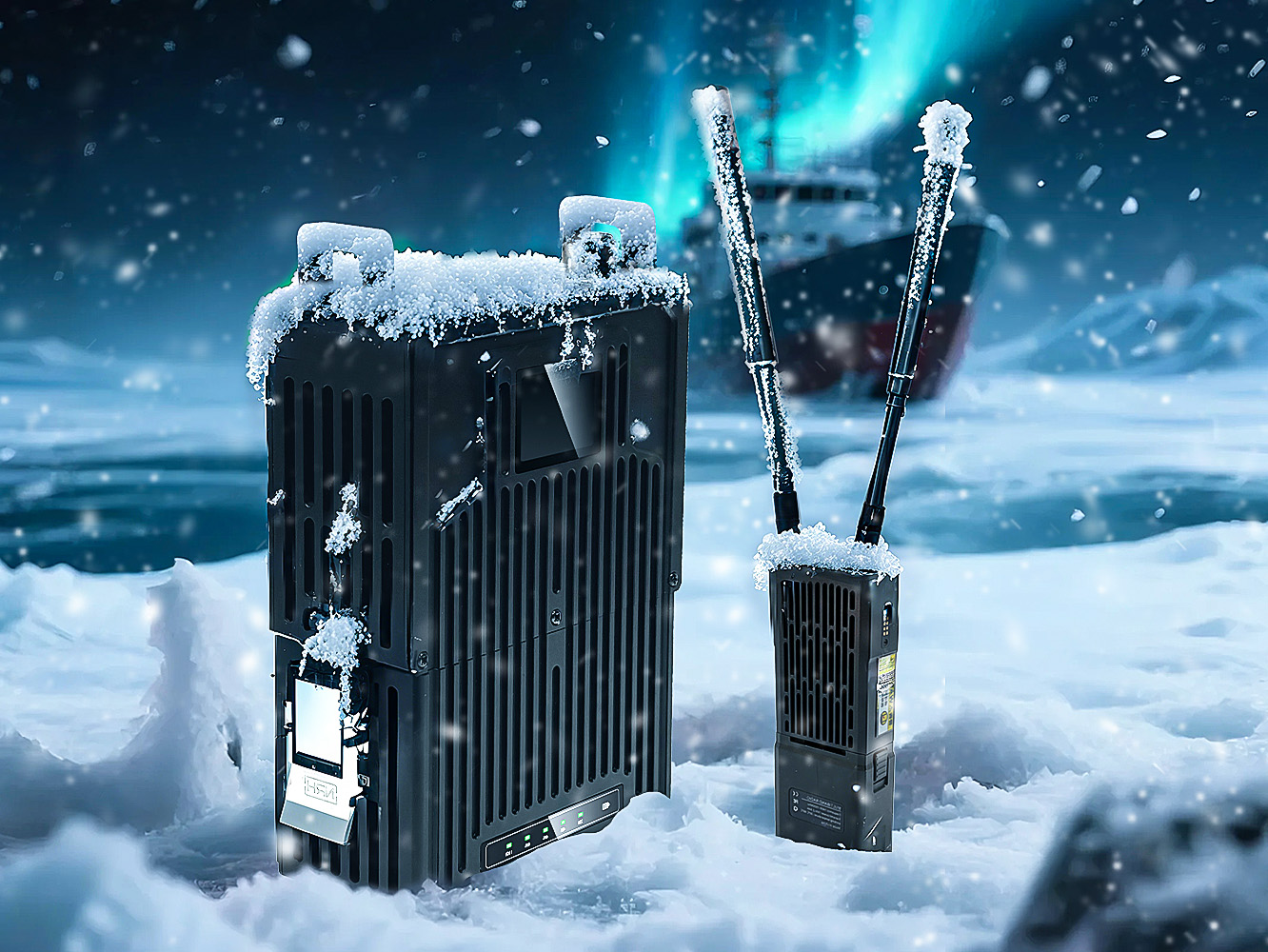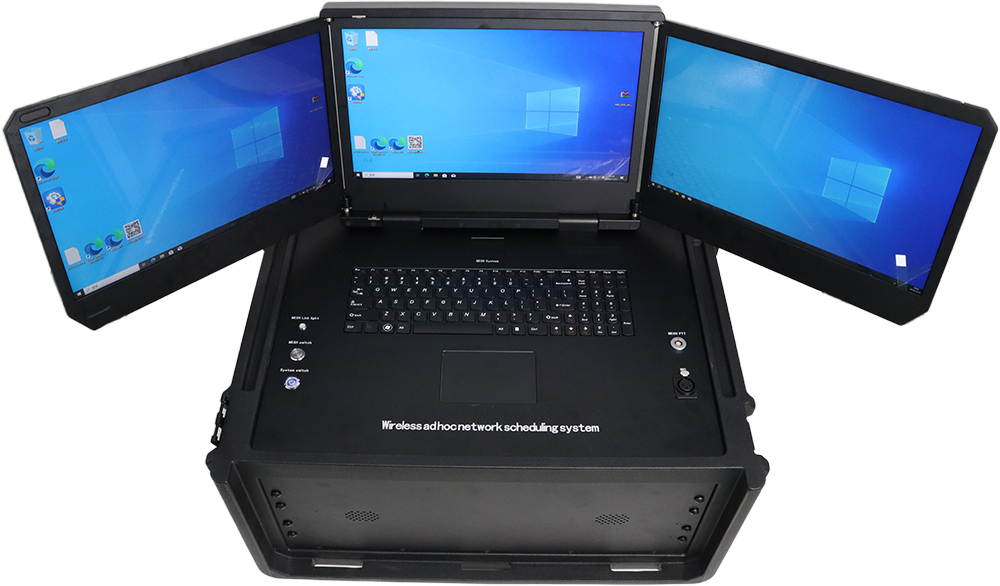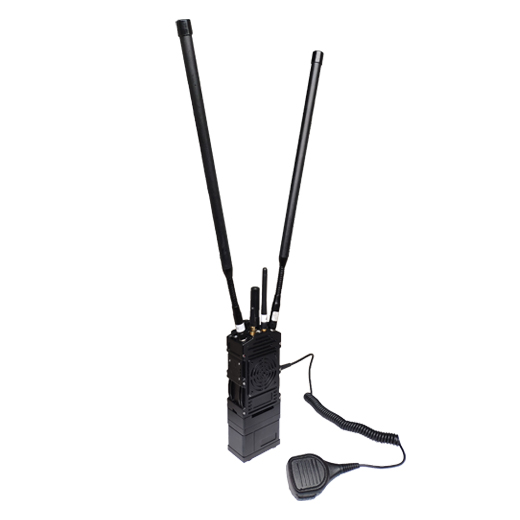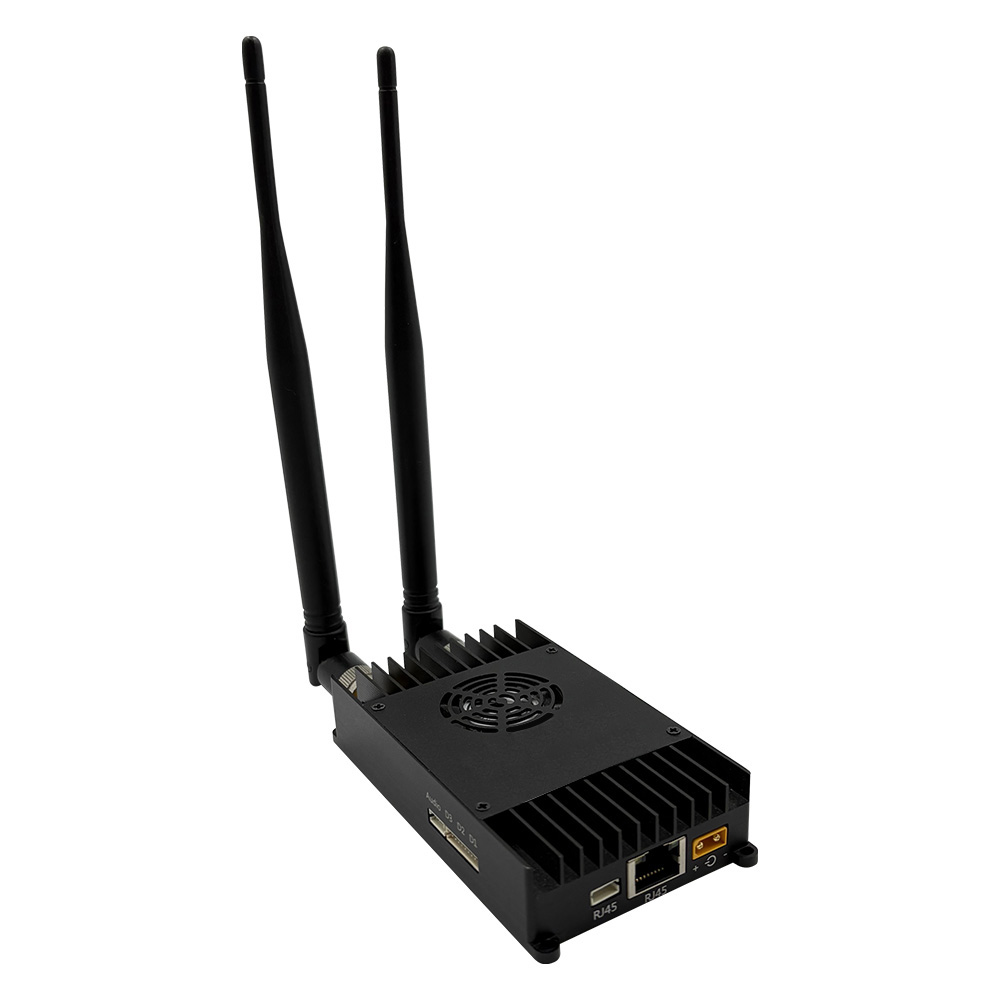


What Is an IP Mesh Radio and How Does It Work?
2025-10-24


I. Why “Wireless Network Bridge” Is Becoming a Core Component of Modern Communication Systems
In many industries—especially defense, security, UAV monitoring, remote communication, emergency response, and mobile field operations—traditional wired infrastructure often fails to meet the demands of high flexibility, rapid deployment, and reliable connectivity. Wired installations are costly, difficult to maintain, and constrained by terrain and environment.
A Wireless Network Bridge offers a more flexible and convenient solution. By establishing wireless links between different network segments, it effectively “bridges” data, video, and voice transmissions across long distances or complex environments without depending on ground wiring or fixed base stations.
As mobile scenarios such as UAVs, vehicles, temporary command centers, and outdoor surveillance rapidly increase, the need for agile deployment, immediate communication readiness, and stable wireless links continues to grow. This makes wireless bridging systems a key trend in modern communication deployments.
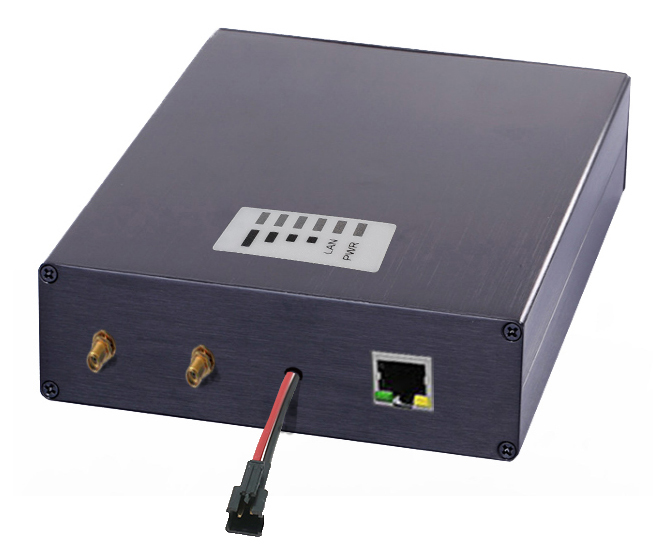
II. Key Technology Features and Advantages of Wireless Network Bridge Systems
Wireless bridge systems—such as those provided by UltraXel / TuQian—deliver several significant benefits:
1. Support for PtP, PtMP, and Relay Networking
Wireless bridge devices can connect:
Point-to-Point (PtP)
Point-to-Multipoint (PtMP)
Relay-based extended links
This allows flexible adaptation to complex topologies and large-scale network structures.
2. Long-Distance, High-Bandwidth Transmission
Unlike standard Wi-Fi or short-distance wireless solutions, a professional wireless bridge can achieve ranges from several hundred meters to tens of kilometers—even exceeding 50 km—while maintaining high throughput and stable communication.
For example, TuQian’s TQ-5000MS series delivers up to 160 Mbps even across 50 km transmission distances.
3. Multi-Band / Dual-Band / Custom Frequency Options
Devices commonly support 2.4GHz / 5GHz, while some models offer custom frequency bands tailored to regional regulations or specialized applications.
4. Rapid Deployment and Flexible Networking
Compared with wired infrastructure, wireless bridging:
Requires no trenching or cabling
Can be deployed within minutes
Supports quick configuration and relocation
This makes it ideal for emergency responses, temporary command networks, mobile surveillance, and outdoor field operations.
5. Compatibility with Diverse Networks and Systems
Wireless bridges can interconnect existing network segments—such as LANs, surveillance systems, or sensor networks—creating seamless, unified communication channels.
III. Application Scenarios — From Industrial Monitoring to Emergency Communication
Due to its flexibility and performance, the Wireless Network Bridge is suitable across multiple industries:
1. Industrial Parks / Factories / Mining Zones
Large industrial environments involve widely distributed devices—cameras, sensors, and machinery—where wiring is costly or impractical. Wireless bridging enables:
Real-time video transmission
Data transfer
Remote equipment monitoring
across large industrial complexes.
2. Remote Area Connectivity
For forest protection, wildfire monitoring, hydrology stations, pipeline inspection, and remote surveillance points, wireless bridges help establish:
Multi-node connectivity
Wide-area monitoring networks
Reliable data backhaul in remote environments
3. Emergency Response and Post-Disaster Communication
Earthquakes, floods, and fires often destroy existing infrastructure. Wireless bridges can instantly restore:
Command center connectivity
Voice and video channels
Real-time rescue coordination
4. Temporary Events / Outdoor Operations
Outdoor events, temporary command posts, field meetings, and large exhibitions benefit from wireless bridges for rapid, temporary communication networks.
5. UAVs and Mobile Platforms
In UAV patrols, vehicle surveillance, and mobile monitoring missions, wireless bridges provide stable, long-distance links between UAVs/vehicles and ground command units.
IV. Why UltraXel (TuQian) Bridge Solutions Stand Out
As a leading manufacturer of long-distance wireless communication systems, UltraXel (TuQian) offers highly competitive wireless bridge solutions backed by years of research and engineering expertise.
Key advantages include:
Industry-proven reliability
Designed for defense, emergency response, and industrial environments that demand extreme stability.
Support for multi-band (2.4GHz / 5GHz / custom)
Ensures global compatibility with varying regulatory standards.
High-performance, long-range transmission
The TQ-5000MS series, for example, supports 50 km backbone links with high throughput and low latency.
Flexible deployment and easy maintenance
No wiring required; fast configuration and cost-efficient expansion, ideal for rapid deployments.
Integration with IP Mesh networking
Enables robust, self-healing, scalable networks for complex or mobile scenarios.
V. Future Trends — Why Wireless Bridging Will Become More Important
Several global trends are accelerating the adoption of wireless bridging technologies:
1. Industrial Automation & IoT
As IoT devices proliferate, the need for flexible, long-range wireless connections increases.
2. Emergency Communication Demands
Rapid deployment, high survivability, and resilient communication networks are becoming essential for disaster response and safety operations.
3. Rising Use of High-Definition Video
4K/8K monitoring, AI-powered video analysis, and multi-node collaboration require higher bandwidth and more stable wireless backbones.
4. Need for Agile Infrastructure Deployment
Governments and enterprises require communication systems that:
Deploy quickly
Support diverse frequency bands
Adapt to dynamic environments
Wireless bridges provide the most efficient solution to meet these needs.
Conclusion: Wireless Network Bridge — Creating Seamless Connections for the Future
The Wireless Network Bridge is a critical component in modern long-distance communication networks. Whether in industrial monitoring, emergency response, UAV communications, remote coverage, or temporary deployment scenarios, wireless bridges deliver a high-performance, reliable, and cost-effective communication solution.