

Applications of IP Mesh Radios in Military and UAV Communication
2025-10-28


In modern warfare and unmanned systems, real-time, reliable and secure communication determines the success or failure of missions. Whether it is coordinating ground tactical operations, controlling unmanned aerial vehicles (UAVs), or maintaining communication connections in complex environments, the demand for high bandwidth and low latency communication has never been more urgent.
This is precisely where the IP Mesh radio plays a crucial role. By providing a self-organizing, self-healing, and decentralized wireless network structure, it enables seamless communication in environments where traditional wireless systems fail. This article will explore the core applications of IP Mesh radio in military communication and unmanned aircraft systems, and explain how it enhances operational efficiency and mission success rate.
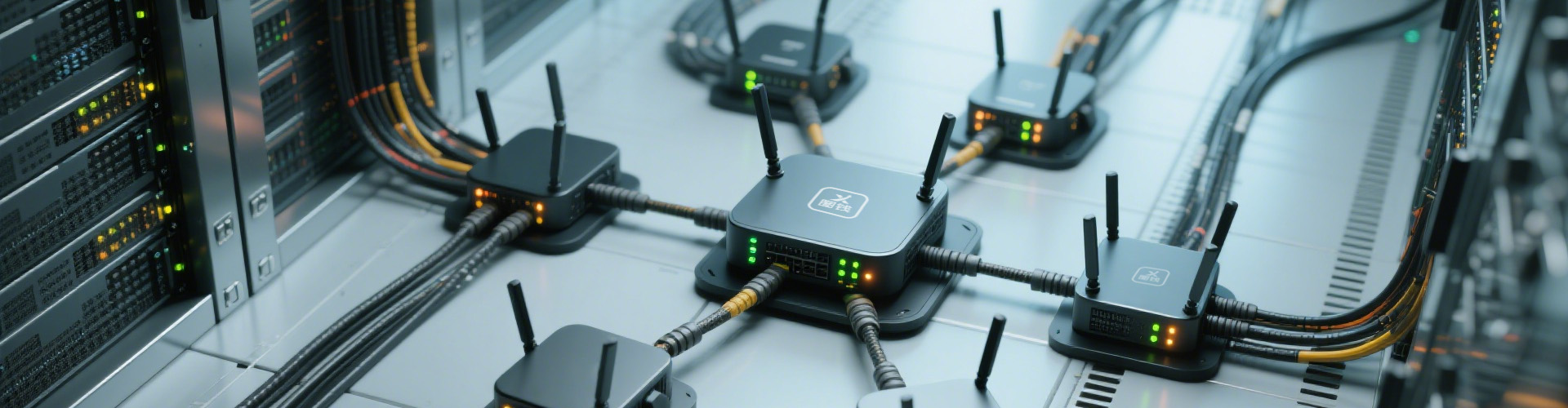
IP Mesh radio is a wireless communication device that forms a mesh network. Each node acts as both a transmitter and a receiver. Unlike point-to-point (P2P) or point-to-multipoint (P2MP) systems that rely on a central base station, data in a Mesh network can dynamically hop (multi-hop) between multiple nodes.
This decentralized structure ensures strong resilience, scalability and flexibility - making the IP Mesh technology an ideal choice for complex tactical environments and air communication applications.
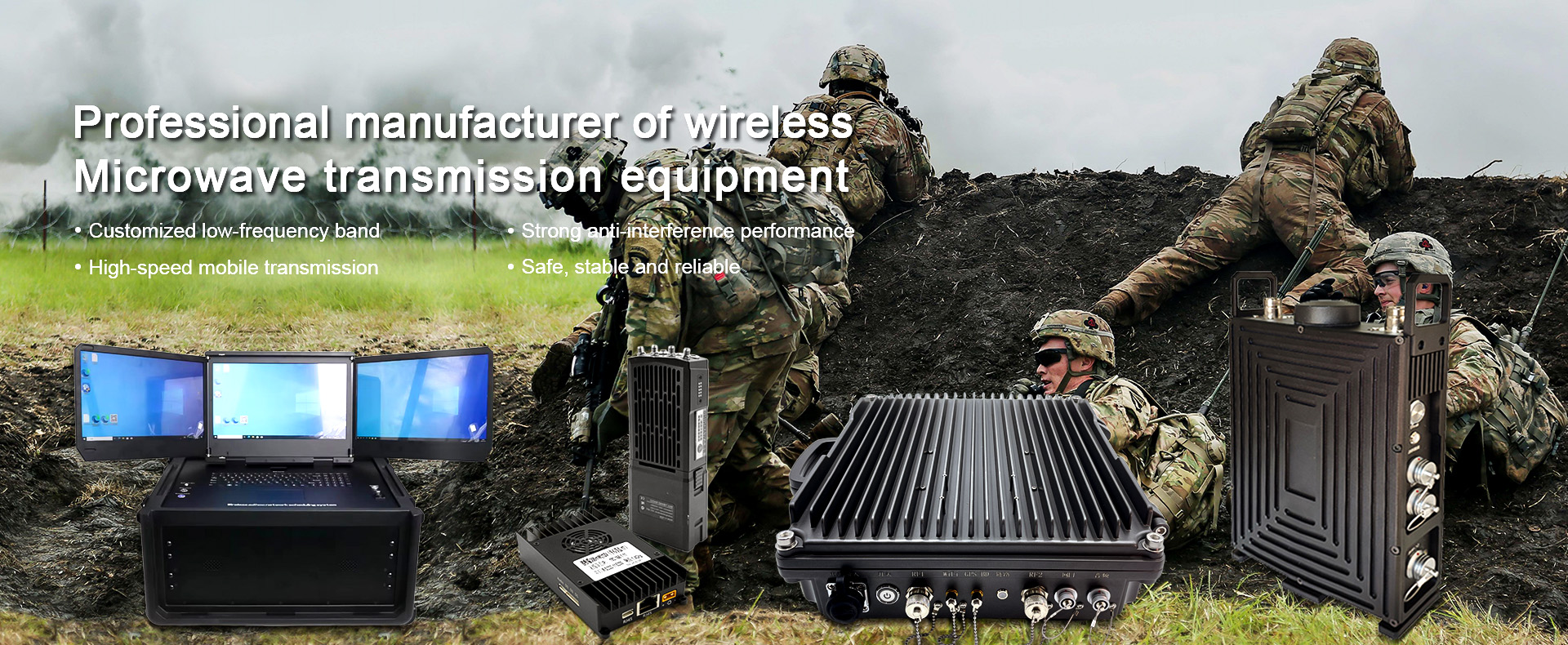
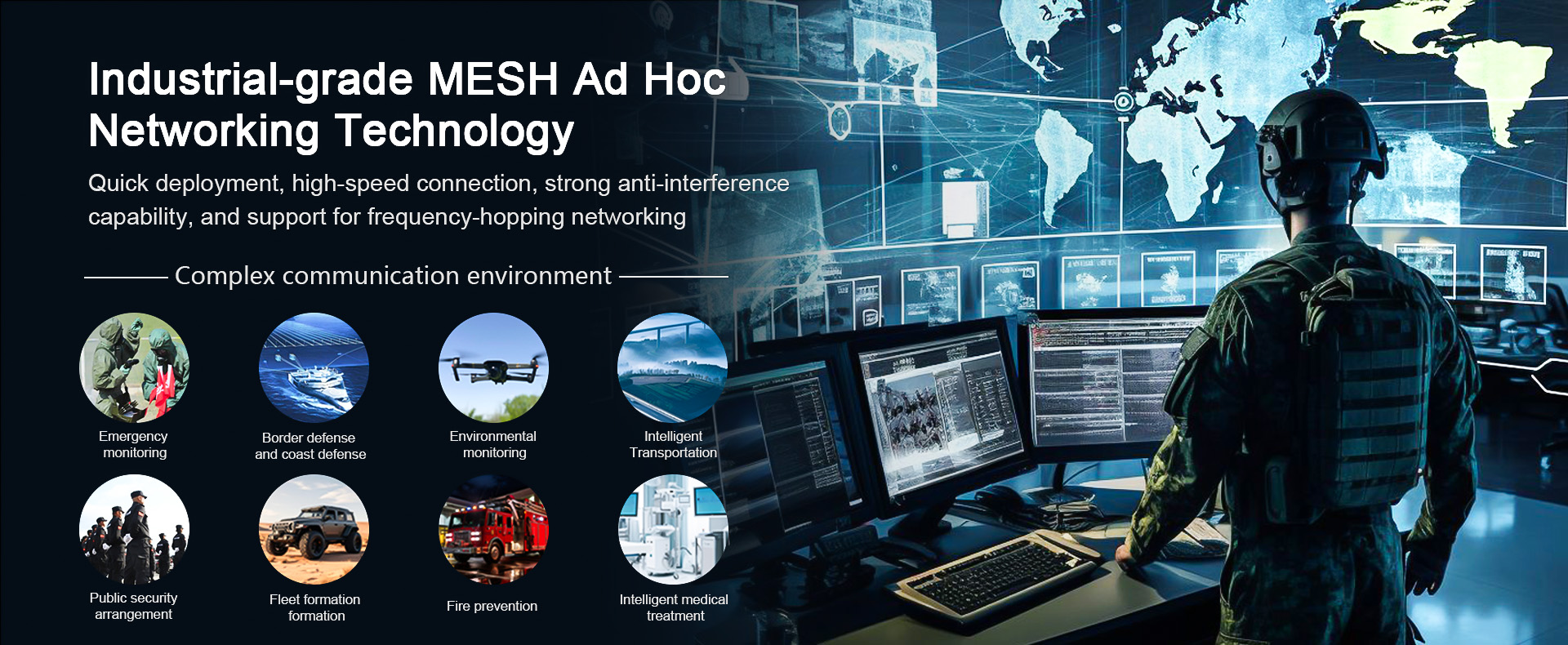
In a battlefield environment, even if infrastructure is damaged or absent, communication must still be maintained. IP Mesh radios can quickly form an instant ad hoc network, enabling real-time voice, video and data communication between soldiers, vehicles and the command center.
Self-forming network capability: The military can set up communication networks within minutes without the need for fixed base stations.
Self-healing capability: If a certain node is destroyed or interfered with, the data will automatically be rerouted through other paths.
Wide Coverage: Through multi-hop connections, communication can be maintained across valleys, cities or complex terrains.
The Mesh radio supports high-definition (HD) video transmission, telemetry data and location information, providing commanders with a complete picture of the battlefield. Real-time video intelligence from ground forces, drones and armored vehicles can help decision-makers command operations quickly and accurately.
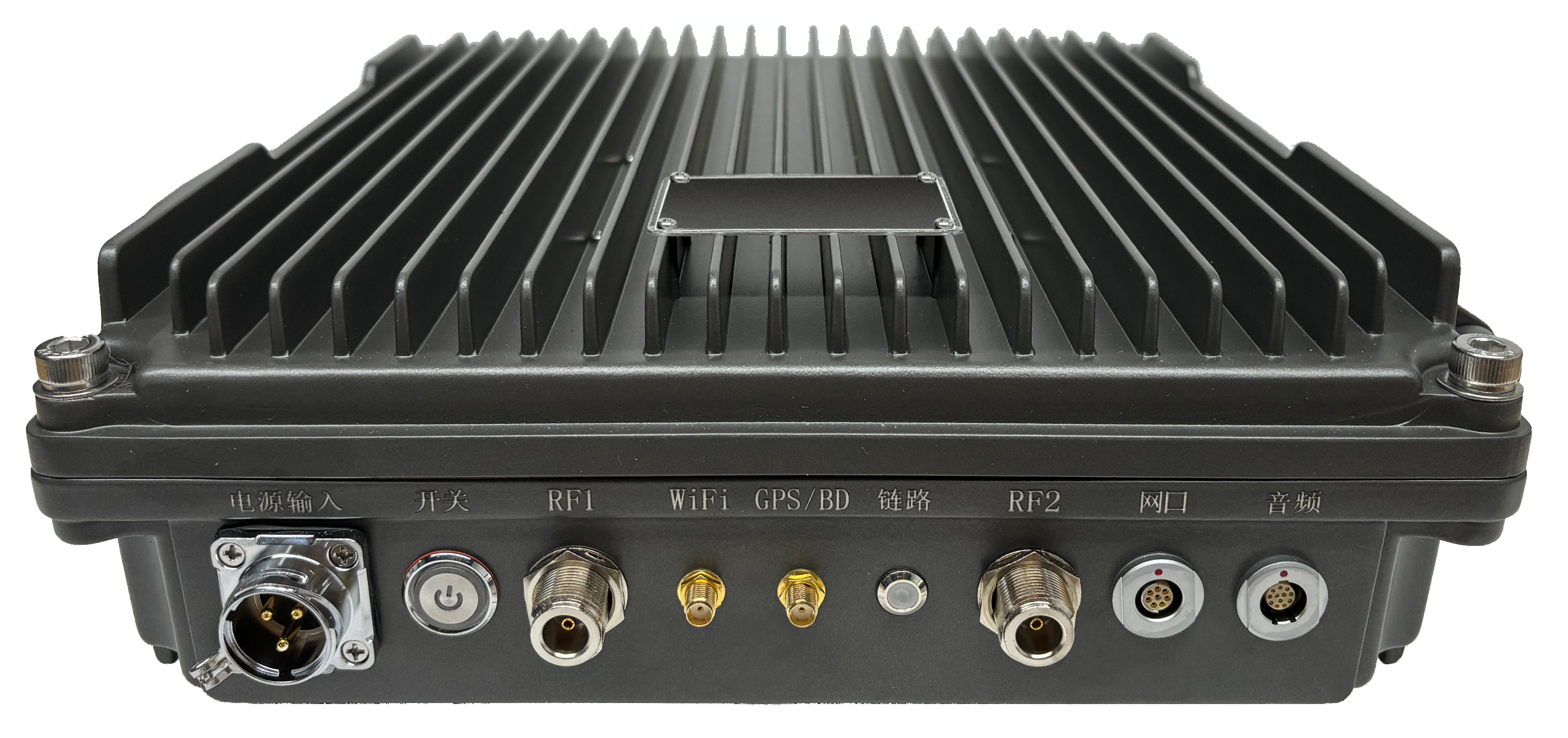
For instance, TuQian's military-grade IP Mesh radio adopts AES encryption, frequency hopping technology and secure IP protocols to prevent data from being intercepted or interfered with, ensuring confidentiality and operational security in electronic warfare conditions.
Drones (UAVs) rely on highly reliable communication systems to transmit telemetry, control instructions and video signals. IP Mesh radio enables drones to communicate directly with each other and maintain a connection with the ground station, forming a drone swarm network (UAV Swarm Network), which can maintain a continuous data flow without a central control node.
Low Latency Communication: Ensures timely response of flight control and real-time video display.
Extended Range: Through multi-hop transmission, the unmanned aircraft can exceed the line-of-sight limitation and perform tasks.
Dynamic Networking: Unmanned aircraft can freely join or leave the network within the mission area.
In remote reconnaissance or disaster monitoring, the terrain or buildings may block wireless signals. The IP Mesh technology ensures stable signal transmission even when there is no direct path between the drone and the ground station through multi-node relay.
TuQian's IP Mesh radio can be flexibly integrated into ground vehicles, unmanned aircraft, and portable terminals, forming an integrated air-ground hybrid network system. It is highly suitable for collaborative operation scenarios such as search and rescue missions, border patrol, and mobile command systems.
Self-organizing capability: The network can be quickly established without any infrastructure.
Self-healing mechanism: If a GV node fails, the communication will automatically reroute, and the network will not be interrupted.
High mobility: Suitable for fast-moving troops, vehicles and unmanned aircraft.
High bandwidth: Supports real-time high-definition video and multi-channel data transmission.
Security Encryption: Equipped with AES encryption and frequency hopping protection.
Extremely scalable: The more nodes there are, the more stable the network becomes and the wider its coverage becomes.
These characteristics make the IP Mesh technology the preferred solution for modern military communication systems, unmanned aircraft clusters, emergency rescue operations and industrial Internet of Things.
Battlefield Situation Awareness: Continuous communication between infantry, command centers and unmanned aircraft.
Disaster relief: Quickly establish a network after the traditional communication infrastructure is destroyed.
Border Patrol: Connects multiple monitoring points with aerial drones to achieve extensive surveillance.
Mobile Command Center: Achieving real-time secure communication and coordination during field operations.
Search and rescue mission: Real-time transmission of drone video signals, supporting rescue operations in remote areas.
TuQian Group is a professional supplier specializing in tactical wireless communication systems. They offer IP Mesh radios, wireless bridging systems, and ad-hoc network solutions. Their products are specifically designed for military, unmanned aerial vehicle, and industrial applications, ensuring stable and real-time wireless communication even in harsh environments.
Self-organizing network and self-healing Mesh topology structure
Secure transmission via AES encryption
Long-distance and low-latency communication performance
Support for unmanned aircraft, vehicles and mobile deployment in the field
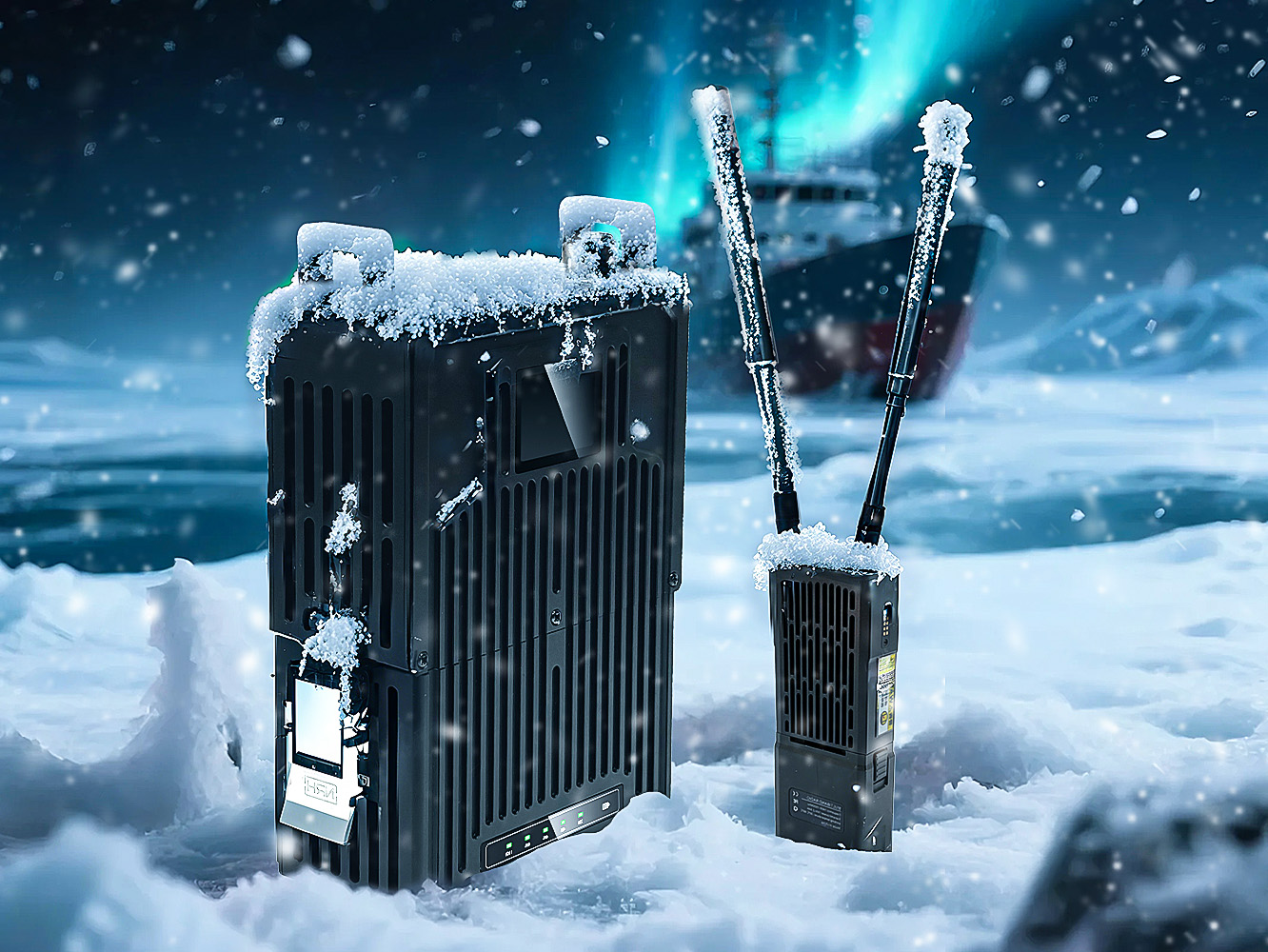
Industrial-grade protection design, suitable for extreme environments
Customizable frequency bands (2.4GHz / 5.8GHz / dedicated frequency)
In the era of unmanned and digital warfare, IP Mesh radio has become the core technology of tactical communication networks. Its dynamic networking, stable reliability and secure encryption features make it possible for real-time communication among the air, land and sea domains, ensuring combat situation awareness and mission success.
With the continuous development of unmanned systems and defense technology, TuQian's IP Mesh radio will provide organizations with more powerful communication capabilities - enabling seamless connections, ultimate reliability and tactical control in any environment.