

What Is an IP Mesh Radio and How Does It Work?
2025-10-24


Wireless bridges and antennas are used together. There are two common types of antennas: one is external and the other is internal.
The built-in antenna is installed inside the box of the bridge device, usually in the form of sheet metal. The transmission distance of a wireless bridge using the built-in antenna is generally no more than 10 kilometers.
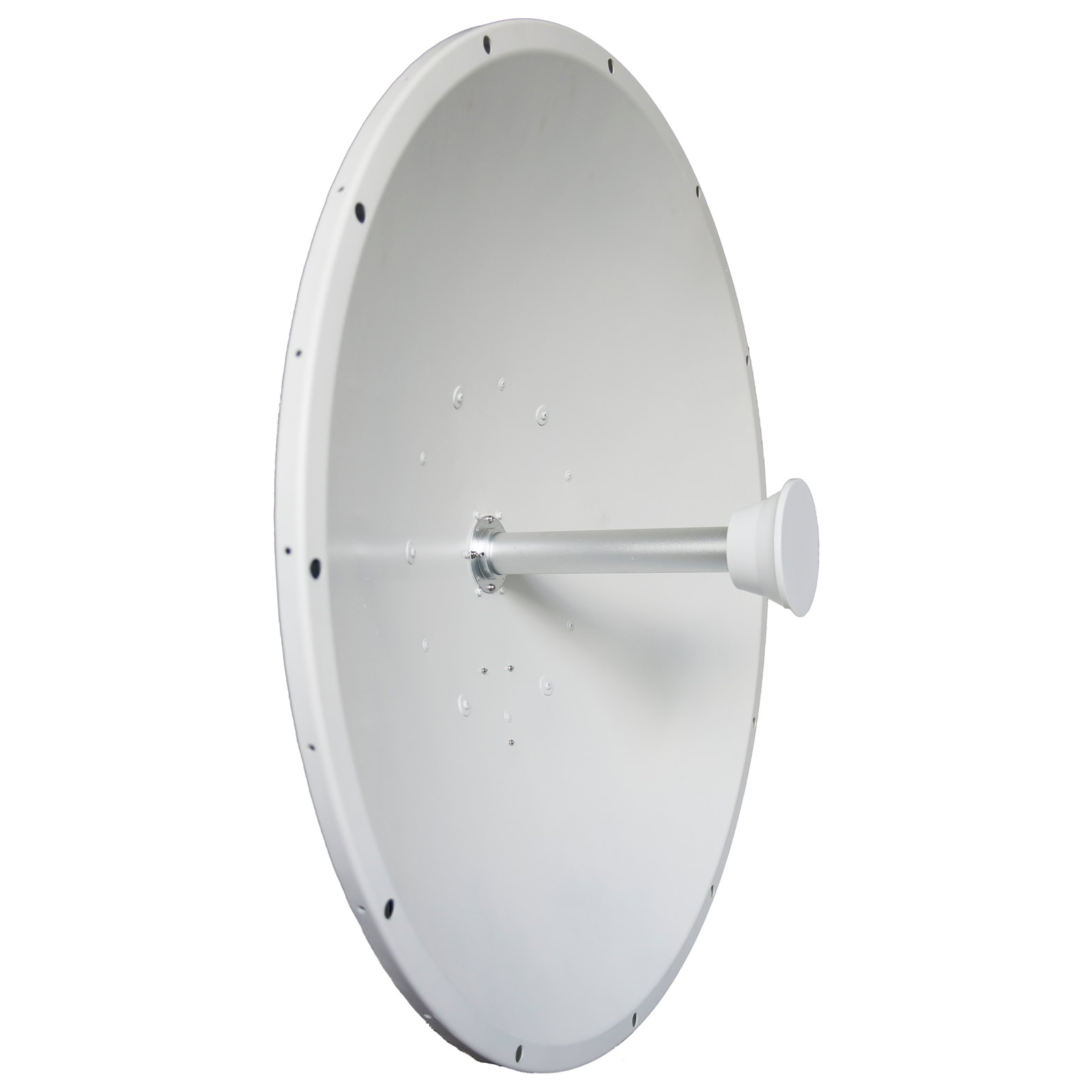
The external antennas come in several different shapes, and depending on their specific uses, they can have several different names.
For example, based on the direction: there are directional antennas and omnidirectional antennas.
Directional antenna signal transmission
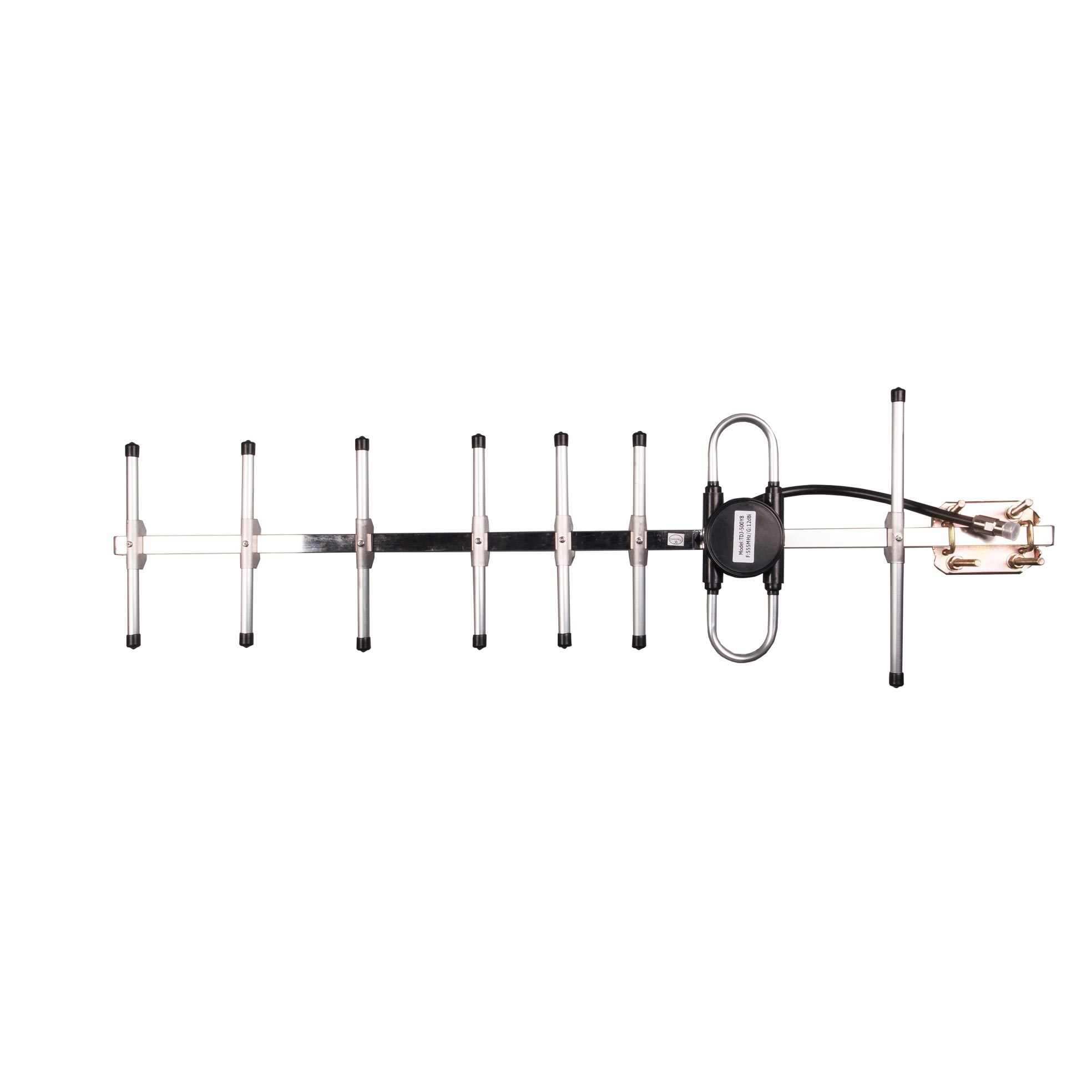
Directional antennas transmit microwave signals at a fixed angle. Common angles for antennas include 30 degrees, 60 degrees, 90 degrees, and 120 degrees. The angle of directional antennas is limited, but precisely because of this, the microwave signals transmitted through them often travel farther and more stably. The drawback is that one must aim at the antenna to achieve good microwave transmission. They are mostly used for point-to-point, point-to-multipoint, and relay link transmissions.
Full-range antenna
The omnidirectional antenna is designed to emit or receive microwave signals in all directions. Its shape for emitting microwave signals is somewhat like an "apple". There is less microwave signal above and below the center of the omnidirectional antenna, which can be described as "darkness under the lamp". However, its advantage is that it can perform wireless microwave transmission without the need to aim at a specific angle. The disadvantage is that the transmission distance is short. It is mainly used for point-to-multipoint and relay link transmissions.
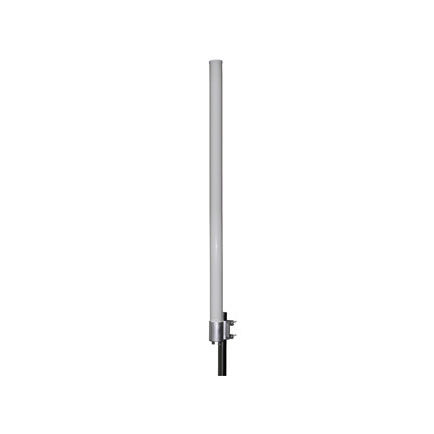
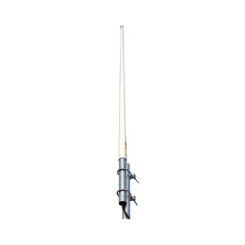
In addition, antennas are available in 2.4G and 5.8G frequencies. Wireless bridges corresponding to these frequencies can only be used with antennas of the same frequency. For example, if it is a 2.4G wireless bridge, then a 2.4G antenna must be used, and vice versa.
Antennas can also be classified as single-polarization or dual-polarization antennas:
Unbipolar antennas can only be used for transmitting or receiving microwave signals. Unbipolar antennas are mostly used at the transmitting or receiving ends of point-to-point or point-to-multipoint wireless signals; while bipolar antennas are used for both transmitting and receiving microwave signals simultaneously and are commonly used in wireless microwave signal relay and transmission.