

What Is an IP Mesh Radio and How Does It Work?
2025-10-24


In complex terrain and areas lacking communication infrastructure, reliable field personnel communication has long been a key industry concern. Recent field observations in various mountainous and obstructed environments show that manportable handheld IP Mesh radios deliver stable dynamic networking and mobile communication performance.
This observation focuses on mobile communication reliability in complex terrain, especially under obstruction, dispersed nodes, and moving conditions.
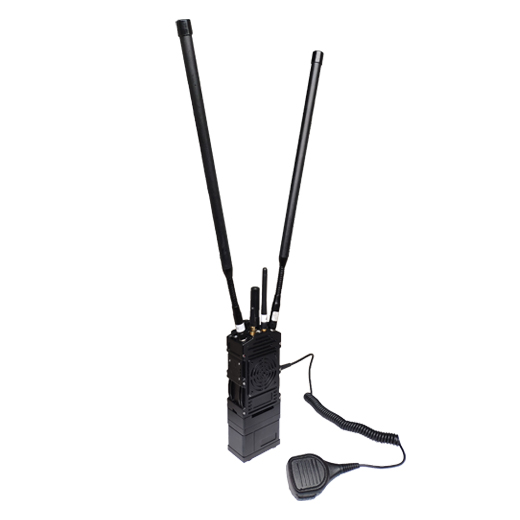
A manportable handheld IP Mesh radio is a portable communication device built on ad‑hoc networking technology. Each unit acts both as a communication terminal and a relay node to forward data within the network.
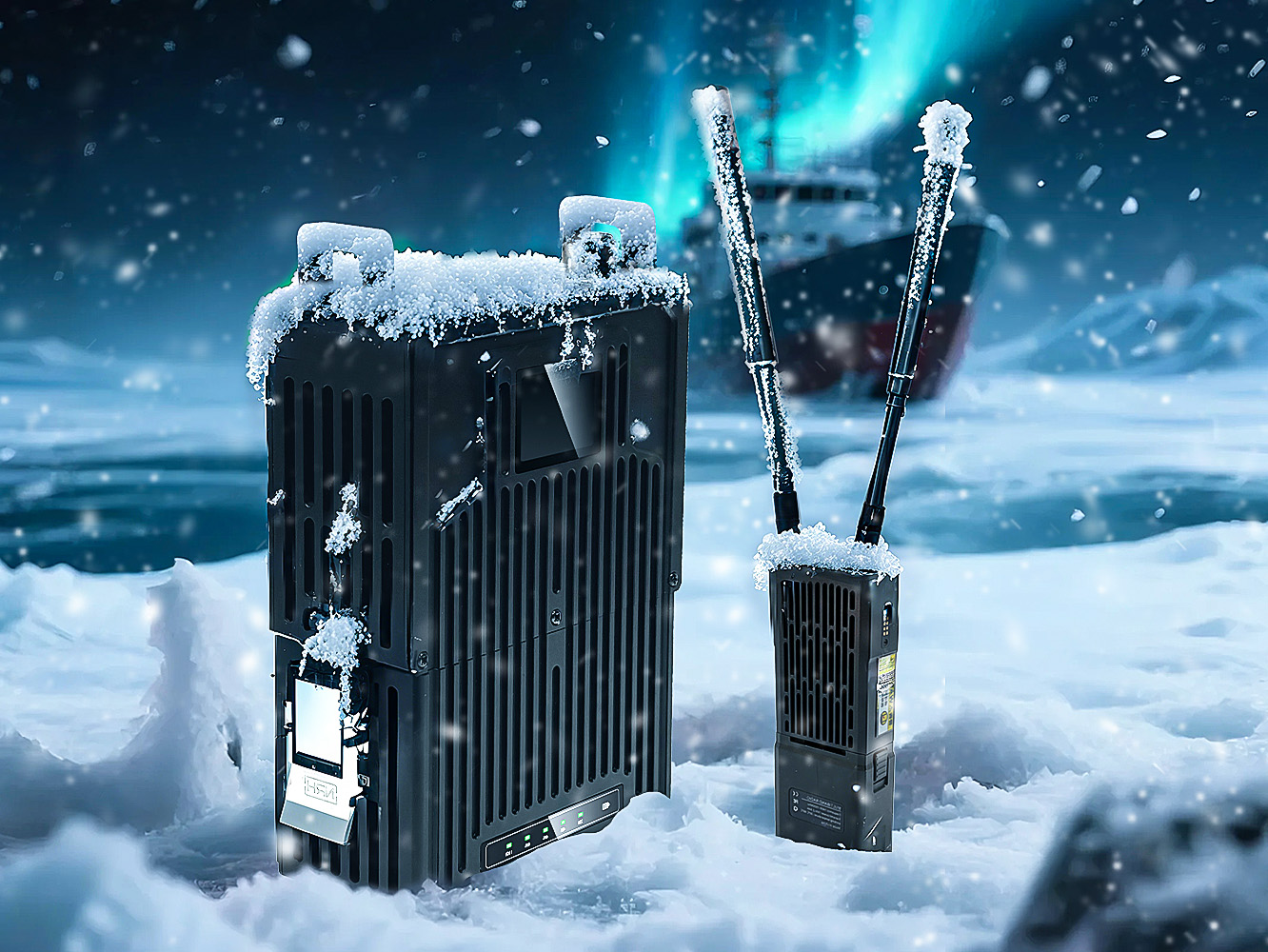
In non‑base‑station environments, devices automatically form a distributed network via Mesh technology, adjusting communication paths dynamically as node positions change. For example, TQWIF’s TQ7102MS Handheld Smart Self‑Networking Device features a ruggedized design, good environmental adaptability, and suitability for complex terrain applications.
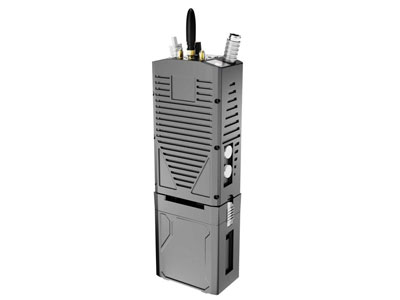
TQ-7102MS
The site presents typical challenging terrain characteristics:
Environmental Factor | Actual Condition |
Terrain structure | Obvious mountain undulations |
Vegetation coverage | Medium-to-high density obstruction |
Building interference | Local scattered obstacles |
Communication infrastructure | No fixed network coverage |
Personnel status | Continuous movement + team coordination |
This environment demands robust ad‑hoc networking and path recovery capabilities from the communication system.
During continuous movement, the device rapidly joins the Mesh network after power‑on and integrates into the communication structure.
Even when some nodes enter obstructed zones, communication is maintained through neighboring node relays, keeping connectivity continuous.
The network structure adjusts dynamically with personnel positions, automatically selecting available paths to sustain links.
Observation Item | Actual Performance |
Network access speed | Fast network join after power-on |
Mobile communication stability | Generally continuous connectivity |
Obstructed area performance | Maintains communication via relay nodes |
Network adaptation | Automatic path reconstruction |
Severe obstruction | Brief signal fluctuations, recoverable |
In multi‑person team environments, devices automatically build a dynamic Mesh network.
Nodes in open or elevated locations act as key relays, extending overall communication coverage.
As teams move apart, network paths reconfigure continuously, maintaining stable links.
The core advantage of the manportable handheld IP Mesh radio is dynamic networking capability.
Unlike traditional systems relying on fixed relays, this solution uses inter‑node cooperation to create and adjust paths, so connectivity does not depend on a single fixed link.
In complex terrain, this mechanism enables better environmental adaptability and communication continuity.
These devices serve scenarios such as emergency communication, field mission coordination, and temporary communication support.
In areas with missing or damaged infrastructure, their fast networking and dynamic communication performance provide reliable support for individuals and small teams.
Focused on R&D and manufacturing of ruggedized communication equipment
Product portfolio: IP Mesh ad‑hoc networking devices, 4G/5G terminals, digital bridges, etc.
Certified: ISO9001, CE, RoHS
All units tested for extreme conditions: temperature, humidity, vibration
For detailed specifications or field test solutions for manportable handheld IP Mesh radios, refer to official documentation or contact the TQWIF technical team for support.
Field observation confirms that manportable handheld IP Mesh radios deliver reliable ad‑hoc networking and mobile communication continuity.
Through dynamic Mesh architecture and cooperative relays, stable links are maintained even in obstructed, complex terrain.
This technology offers practical value for communication support in challenging environments, especially for mobile and emergency applications.
Q1: What main purpose does a manportable handheld IP Mesh radio serve?
A1: It provides communication for field personnel and small teams in non‑base‑station or complex environments.
Q2: Is communication reliable in complex terrain?
A2: Brief fluctuations may occur in heavy obstruction, but connectivity recovers via relays.
Q3: Does the network require manual setup?
A3: No, devices complete networking and path adjustment automatically.
Q4: Will connections drop during movement?
A4: Connectivity remains continuous in most cases; extreme obstruction may cause short‑term fluctuations.
Q5: What scenarios suit this technology?
A5: Emergency rescue, field operations, mobile communication support, and similar applications.