

What Is an IP Mesh Radio and How Does It Work?
2025-10-24


With the growing demand for long-distance wireless transmission, wireless communication bridges are widely used in security surveillance, industrial communications, and emergency deployment. In different scenarios, ruggedized and commercial wireless bridges show clear differences in performance, stability, and deployment methods.
While both devices enable wireless transmission, their design priorities differ significantly.
| Comparison Item | Ruggedized Wireless Bridge | Commercial Wireless Bridge |
Operating Environment | Harsh outdoor & demanding field environments | Ordinary commercial & civil environments |
Durability | High shock resistance, waterproof, dustproof | Moderate environmental protection |
Deployment Method | Mobile, mission-oriented deployment | Fixed deployment |
Network Stability | Adapts to dynamic, complex environments | Suited for stable environments |
Power Adaptability | Supports vehicle-mounted & field power supply | Standard commercial power supply |
Cost | Higher | Lower |
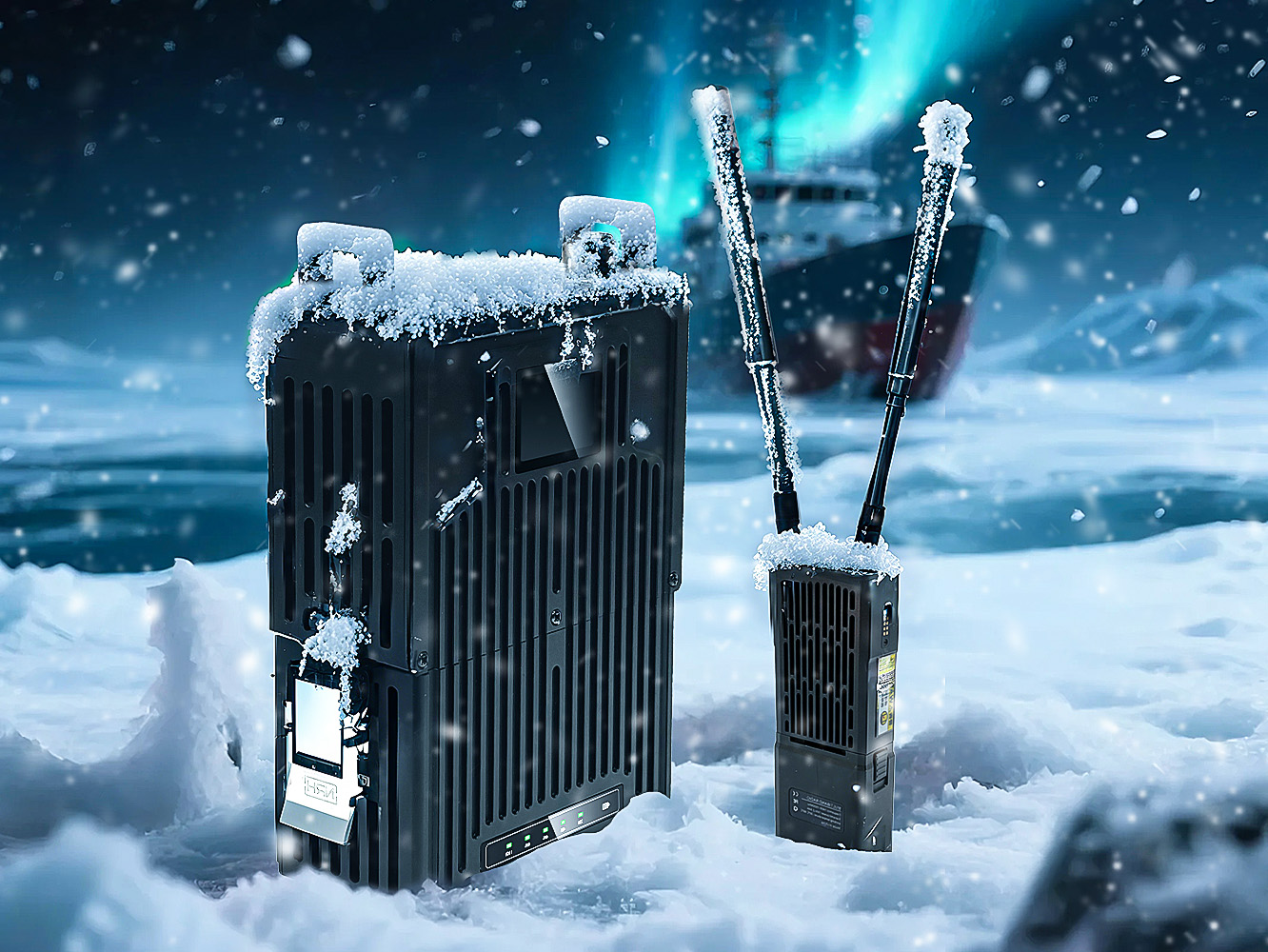
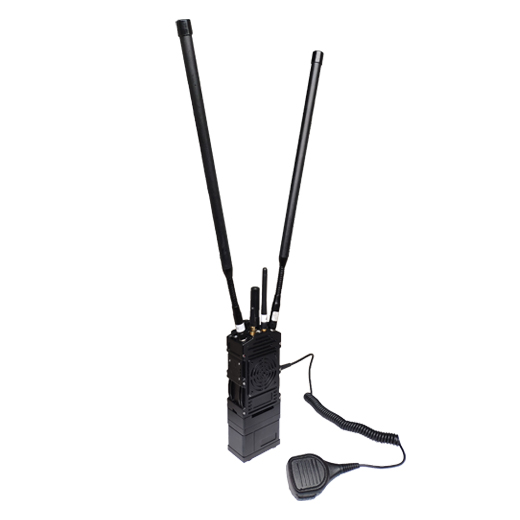
Ruggedized wireless communication bridge systems are designed for harsh environments such as deserts, mountainous areas, vehicle-mounted communications, and emergency deployment. They typically offer waterproofing, dustproofing, shock resistance, and resistance to extreme temperatures. For example, the TQWIF TQ-5823AC supports long-distance wireless bridging up to 100 km (line-of-sight, ideal conditions), features an IP68 protection rating (certified for dust and water ingress), and suits extreme outdoor and mobile communication scenarios.
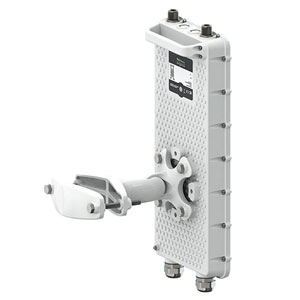
TQWIF-TQ-5823AC
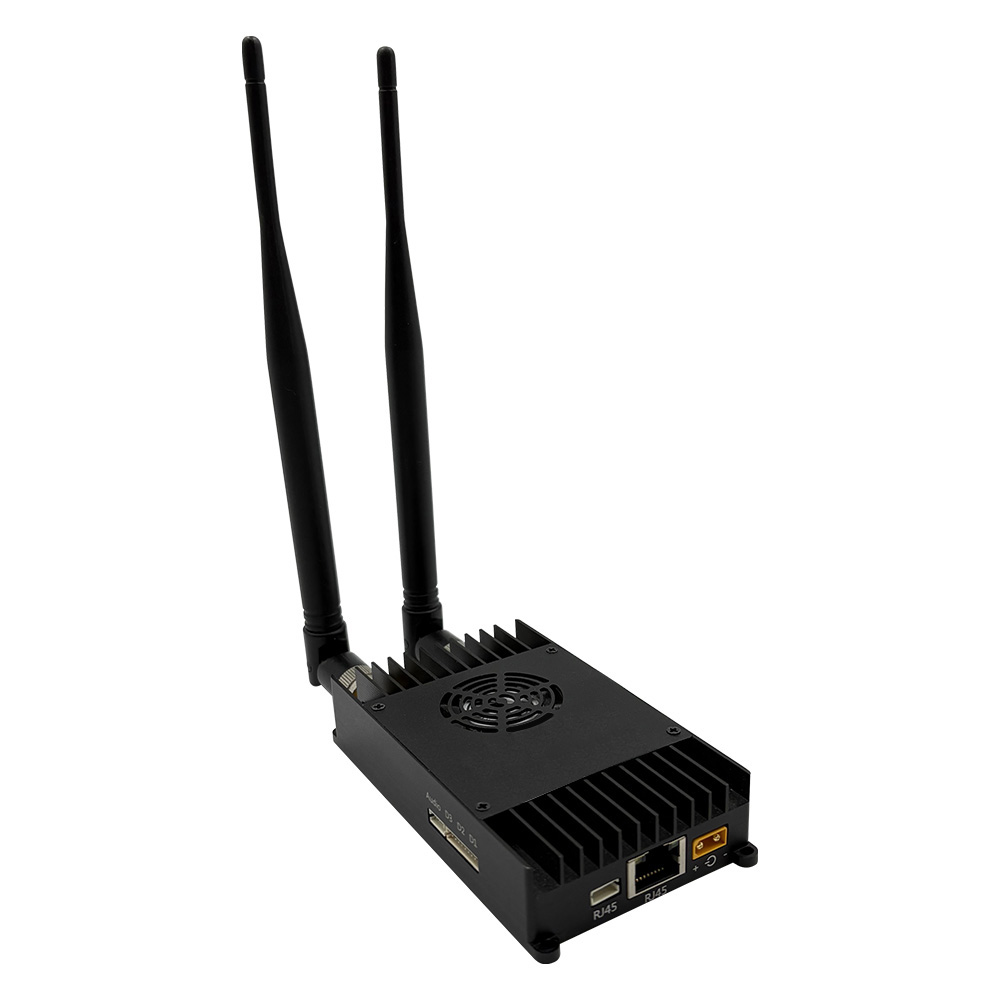
By contrast, commercial wireless bridges are commonly used in fixed scenarios like offices, factories, warehouses, and outdoor surveillance. For example, the TQWIF TQ-24500D delivers high-bandwidth wireless transmission, supports 16 virtual networks (SSID+VLAN), and allows simultaneous access for up to 256 devices (optimal bandwidth conditions), making it suitable for large-scale wireless coverage in campuses and construction sites.
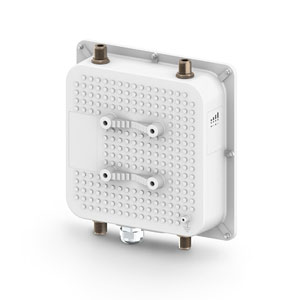
TQWIF TQ-24500D
Ruggedized systems prioritize rapid deployment and mobile use. They can be mounted on vehicles, temporary command centers, and portable communication devices. Commercial wireless bridges are more suited for fixed scenarios such as parking lots, industrial parks, construction sites, and building-to-building networking.
The right wireless communication bridge depends primarily on deployment environment, stability requirements, and intended use case—not just transmission distance specifications.
Video surveillance systems
Office wireless networking
Factory and campus communications
Building-to-building network transmission
Fixed-scenario wireless deployment
Commercial wireless bridges offer lower cost, simple installation, and easy maintenance, ideal for most conventional wireless transmission projects.
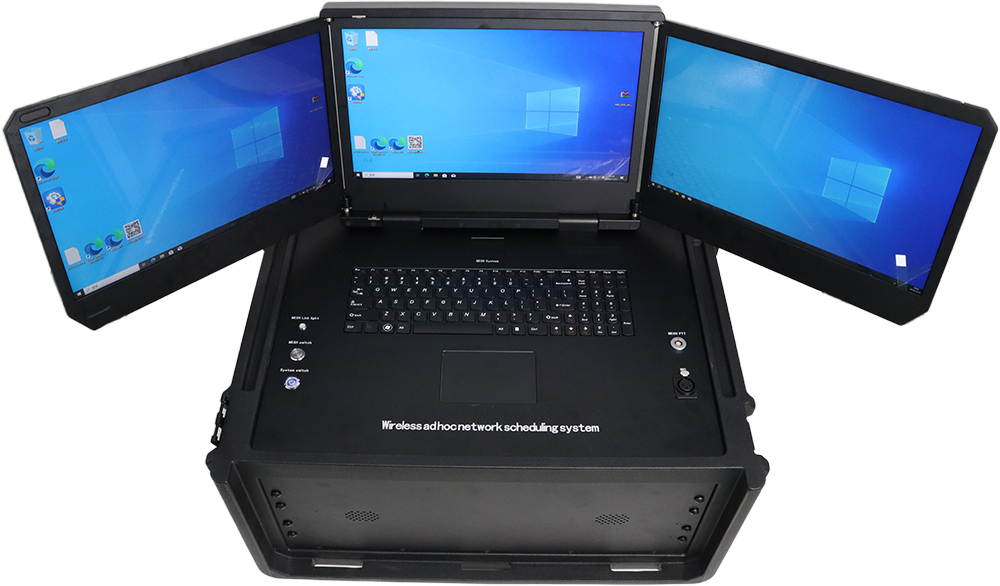
Mobile command communication systems
Harsh outdoor environment deployment
Emergency communications and temporary networks
Vehicle-mounted wireless communication systems
Demanding field deployment missions
Ruggedized wireless bridges prioritize environmental adaptability, communication stability, and continuous operation under complex conditions.
In real-world projects, select a wireless communication bridge solution based on deployment environment, mobility needs, anti-interference capability, and long-term stability—not solely on advertised distances or hardware specs.
Specialized in R&D and manufacturing of ruggedized and industrial-grade wireless communication equipment
Product portfolio: long-distance wireless bridges (e.g., TQ-5823AC, up to 100 km / IP68), high-bandwidth coverage devices (e.g., TQ-24500D, up to 256 users / 16 VLANs), mesh network devices, and more
Certified: ISO9001, CE, RoHS and other authoritative certifications
All devices undergo extreme environment testing: high/low temperature, humidity, vibration, salt spray
For wireless communication bridge selection solutions or product test data, refer to official documentation or contact the Tuqian technical team for support.
Wireless communication bridges are key for modern wireless networking and long-distance communication deployment.
Commercial-grade systems suit stable, cost-effective network projects, while ruggedized solutions emphasize mobility, environmental adaptability, and reliability under complex conditions.
Understanding these differences helps users select the best wireless communication solution for real-world projects.
Q1: What are wireless communication bridges mainly used for?
A1: They wirelessly transmit network data between two locations without physical cables.
Q2: What is the difference between ruggedized and commercial wireless bridges?
A2: Ruggedized devices focus on harsh-environment adaptability, mobile deployment, and high reliability; commercial devices serve conventional fixed-scenario communications.
Q3: Can wireless bridges work without internet access?
A3: Yes. They can establish a local wireless network even without internet.
Q4: Does weather affect wireless bridge performance?
A4: Yes. Adverse weather, obstacles, and interference can impact long-distance transmission quality.
Q5: Are wireless bridges only used for surveillance systems?
A5: No. They are widely used in industrial communications, temporary networks, emergency response, and vehicle-mounted systems.