

What Is an IP Mesh Radio and How Does It Work?
2025-10-24


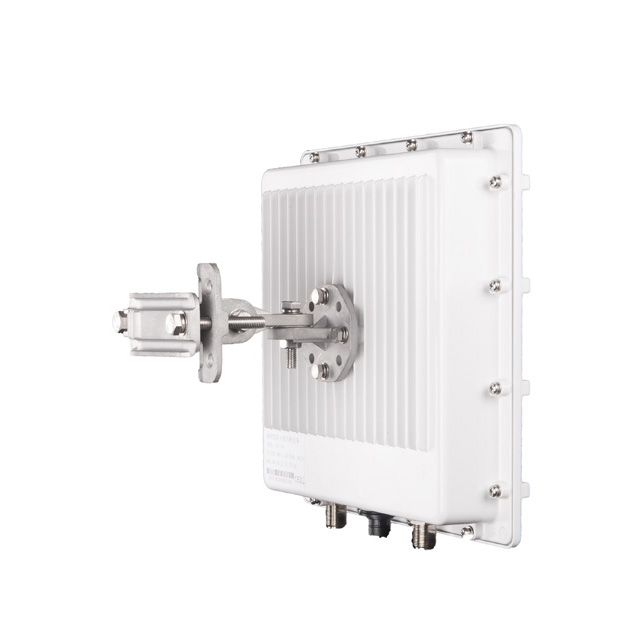
As industry digitalization accelerates, enterprises and organizations are placing increasing emphasis on network reliability, flexibility, and deployment efficiency. In geographically dispersed or infrastructure-limited environments,Communication Wireless Network Bridge has become a practical and widely adopted solution for building industry wireless networks.
1. Industry Demand for Wireless Network Bridging
In sectors such as energy, utilities, security, transportation, and industrial manufacturing, network nodes are often distributed across large areas.
Deploying fiber or wired connections in these scenarios may involve high construction costs, long deployment cycles, and complex permitting processes. Wireless network bridges provide a cost-effective and flexible alternative.
Their primary value lies in:
Rapid network deployment
Reduced infrastructure investment
Flexible adaptation to changing network topologies
2. Deployment Models of Communication Wireless Network Bridge
In real-world projects, Communication Wireless Network Bridge solutions are typically deployed using the following models:
Fixed Point-to-Point Bridging for long-term, stable connections
Point-to-Multipoint Bridging for centralized access to multiple remote sites
Rapid Temporary Deployment for emergency or short-term communication needs
Depending on the application environment, antenna types, installation height, and operating frequency bands can be optimized to achieve the best link performance.
3. Communication Performance in Complex Environments
Urban areas, industrial zones, and outdoor environments often present challenges such as signal obstruction, multipath interference, and electromagnetic noise.
Communication Wireless Network Bridge systems address these challenges through continuous link quality monitoring, adaptive data rate adjustment, and retransmission mechanisms.
These capabilities allow the network to maintain stable connectivity even under changing environmental conditions.
4. Support for Multiple Business Services
Modern industry networks often require wireless bridges to carry more than basic data traffic.
With proper bandwidth allocation and network management strategies, a single wireless bridge link can simultaneously support:
Video surveillance data
Enterprise application traffic
Remote monitoring and control information
This makes Communication Wireless Network Bridge a critical component of industry communication infrastructure.
5. Network Security and Operations Management
Security and maintainability are essential in industry applications.
Wireless network bridge solutions typically support data encryption, authentication, and access control mechanisms. Combined with centralized management platforms, operators can monitor device status, link quality, and traffic utilization in real time.
This enhances both network security and operational efficiency.
6. Summary of Industry Application Value
Overall, Communication Wireless Network Bridge provides a flexible, efficient, and easy-to-deploy wireless connectivity solution for industry private networks.
Its advantages are particularly evident in long-distance network interconnection, complex deployment environments, and temporary network construction scenarios.
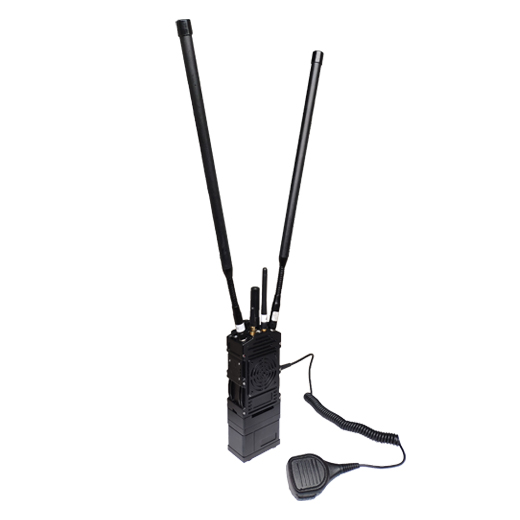
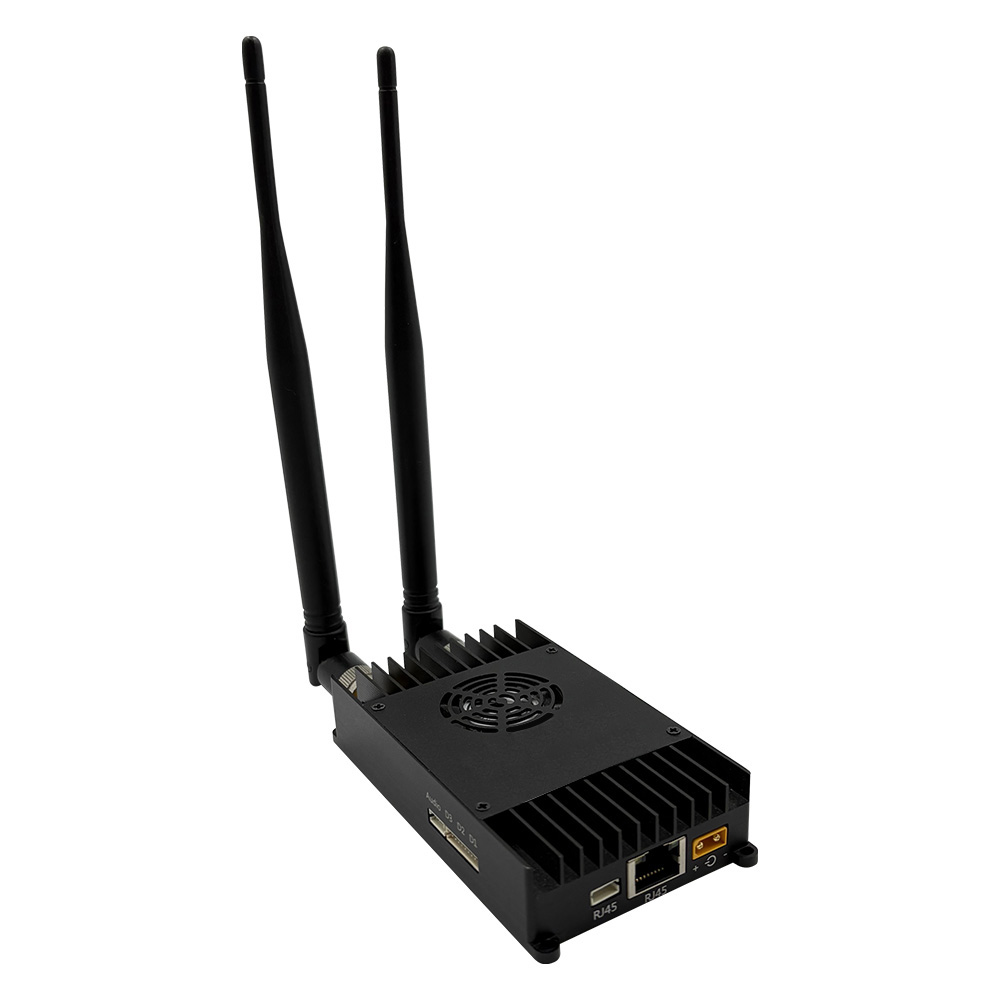
TuQian, a professional wireless communication manufacturer, delivers advanced IP Mesh radios for military, industrial and emergency use. Boasting ultra-low-latency transmission, self-organizing networking, ruggedized design, flexible frequencies and multi-node compatibility, its radios—backed by solid R&D—empower reliable, intelligent wireless networks anytime, anywhere.