

What Is an IP Mesh Radio and How Does It Work?
2025-10-24


As intelligent terminals, industrial equipment, and information systems continue to evolve toward modular and distributed designs, the number and variety of peripheral devices connected to a system are steadily increasing. Ensuring efficient, reliable, and flexible communication between a central controller and multiple peripheral devices has become a critical challenge. Wireless Peripheral Communication System has emerged as an effective solution to meet these growing demands.
1. Concept of Wireless Peripheral Communication System
A Wireless Peripheral Communication System refers to a communication framework that enables data exchange and control between a central device and various peripheral devices using wireless technologies.
These peripherals may include sensors, actuators, input/output modules, display units, and other functional components.
Compared with traditional wired connections, wireless peripheral communication significantly reduces cabling complexity, improves deployment flexibility, and supports dynamic or mobile operating environments.
2. Overall System Architecture
From an architectural perspective, a Wireless Peripheral Communication System typically consists of:
A central control unit
Wireless communication modules
Peripheral device nodes
Communication protocols and management layers
The central controller manages system logic and data aggregation, while wireless modules handle data transmission. Peripheral nodes perform sensing, execution, or feedback tasks, and the protocol layer ensures reliable and orderly communication.
This layered architecture enhances scalability and simplifies maintenance.
3. Wireless Communication Technology Foundation
Wireless Peripheral Communication Systems commonly rely on short-range or medium-range wireless technologies, including but not limited to:
Low-power wireless communication technologies
High-frequency or ultra-high-frequency wireless links
IP-based or non-IP-based data transmission methods
The choice of communication technology depends on application requirements related to bandwidth, power consumption, latency, and interference resistance.
4. Data Interaction and Communication Mechanisms
Data communication within wireless peripheral systems is typically characterized by frequent transmissions, small data packets, and multi-node concurrency.
To address these characteristics, systems often adopt efficient communication mechanisms such as:
Master-slave or peer-to-peer communication models
Polling-based and event-driven data transmission
Error detection and retransmission strategies
These mechanisms improve communication reliability and reduce the risk of data loss.
5. Stability and Interference Mitigation
In real-world environments, wireless peripheral communication systems may face electromagnetic interference, channel congestion, and coexistence with other wireless devices.
To ensure stable operation, systems often incorporate:
Dynamic channel selection
Transmission power control
Data encryption and integrity verification
By combining these techniques, the system maintains reliable communication even in complex operating conditions.
6. Technical Value Summary
From a technical standpoint, Wireless Peripheral Communication System provides a flexible and efficient foundation for multi-device coordination and system integration.
As device ecosystems continue to expand, its importance in intelligent systems and industry applications will continue to grow.
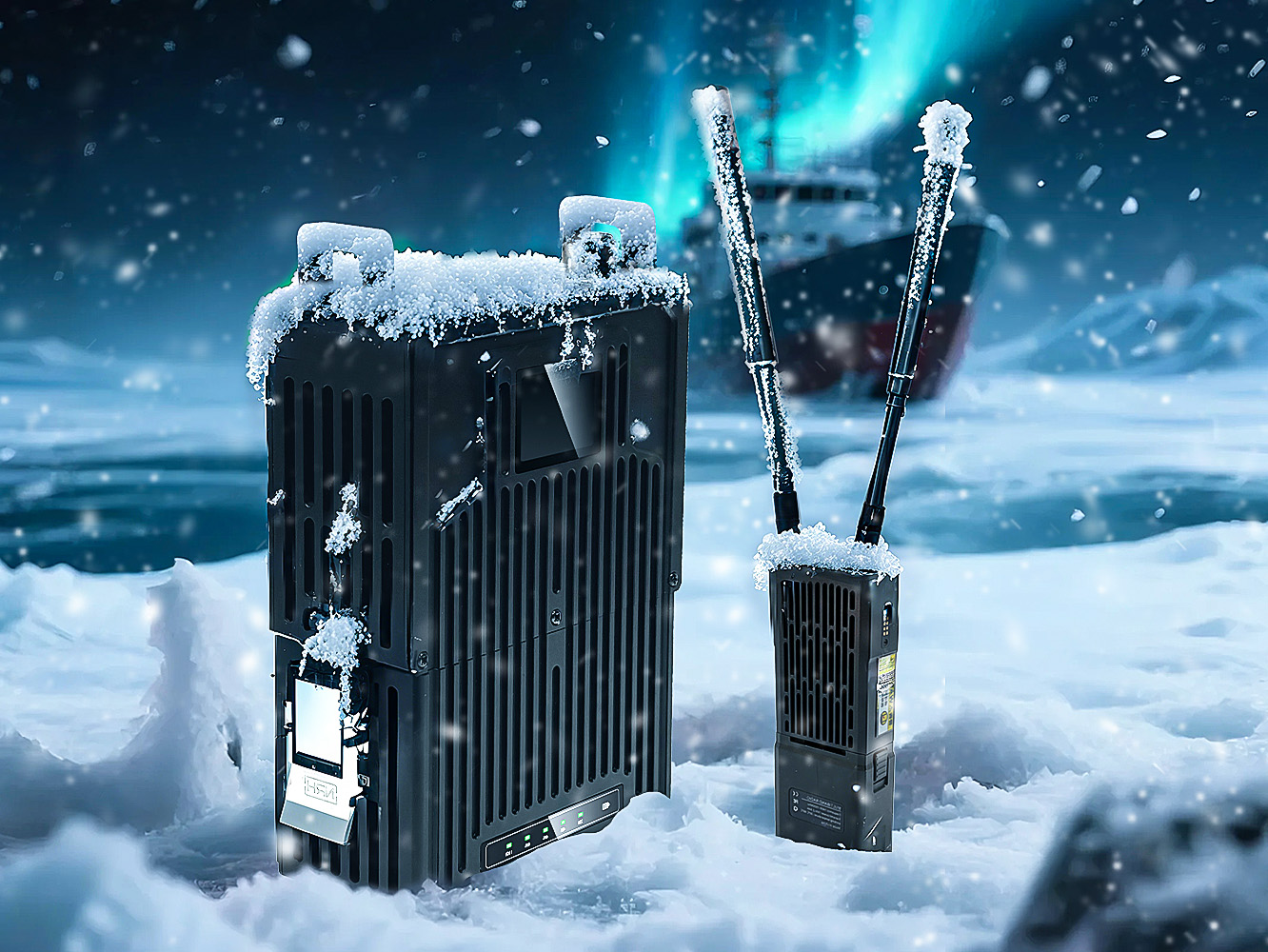
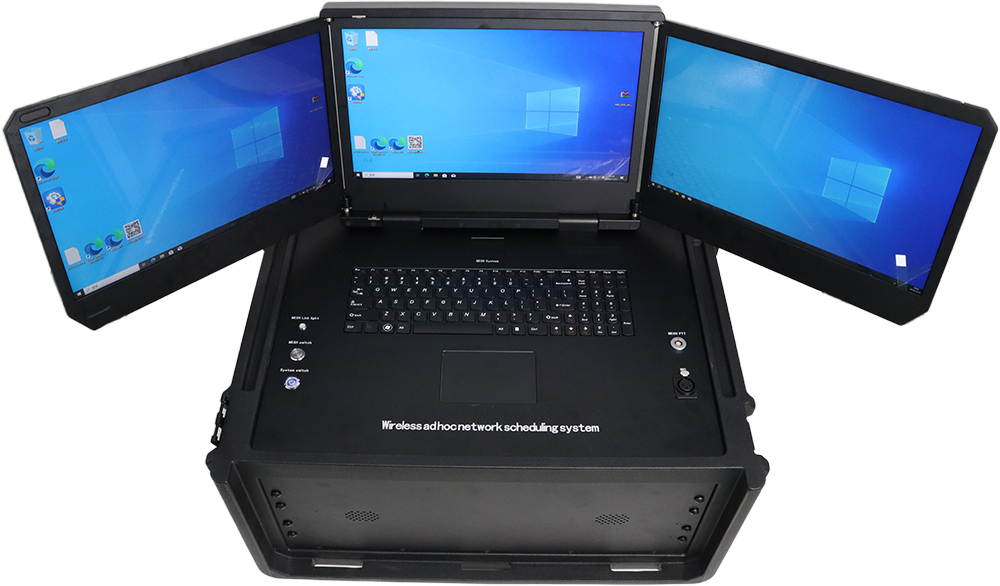
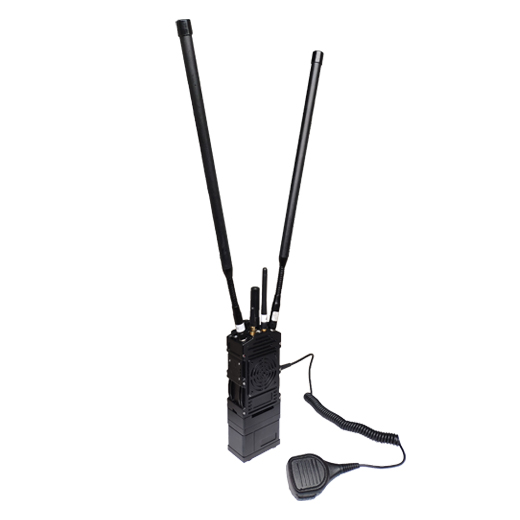
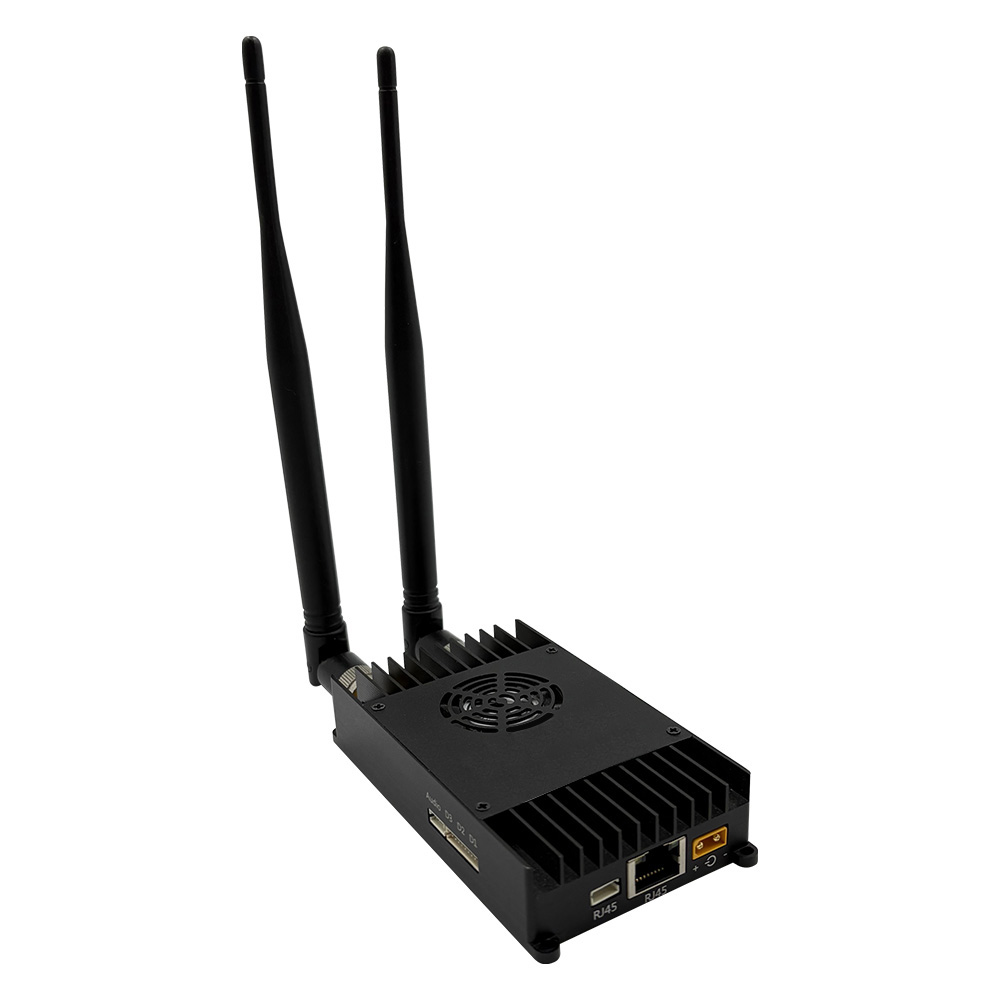
TuQian is a leading professional manufacturer of wireless communication and transmission systems, specializing in advanced IP Mesh radios tailored for military, industrial and emergency response applications.
Our IP Mesh radios boast the following core strengths:
High-speed, ultra-low-latency transmission for both data and HD video
Self-organizing, self-healing network architecture, ideal for dynamic mobile operations
Ruggedized, field-proven design that excels in harsh environments
Flexible frequency band options (2.4 GHz, 5.8 GHz, plus custom solutions)
Seamless multi-node communication, supporting integrated connections for UAVs, vehicles and ground stations
Powered by robust in-house R&D and validated real-world performance, TuQian’s IP Mesh radios empower organizations to deploy reliable, flexible and intelligent wireless communication networks anytime, anywhere.