

What Is an IP Mesh Radio and How Does It Work?
2025-10-24


In modern wireless communications, the communication wireless network bridge is becoming a key technology for enterprise network upgrades, emergency response, and industrial automation. If you are unfamiliar with the term “communication wireless network bridge” but want to understand its purpose and working principles, this article will provide a complete analysis from basics to applications, and show practical deployment methods.
A communication wireless network bridge is a communication system based on a wireless mesh network. It establishes stable data bridging between different network nodes to achieve long-distance data transmission. Unlike traditional networks that rely on a single base station or fiber optic connections, a communication wireless network bridge connects every node to form a flexible, decentralized network structure.
Each node can both send and receive data
Supports multi-hop transmission to extend coverage
Network self-healing capability when a node fails
Supports multiple services: voice, video, and data
This technology is highly reliable in scenarios such as large events, corporate campuses, factories, and public safety.
| Feature | Traditional Wireless Network | Communication Wireless Network Bridge |
|---|---|---|
| Network structure | Centralized | Decentralized |
| Impact of node failure | High | Low |
| Supported data types | Voice or data only | Voice + video + data |
| Scalability | Limited | High |
| Network latency | Medium | Low |
The wireless mesh network is the core of the communication wireless network bridge:
Nodes: Each wireless bridge or smart device acts as an independent node
Links: Wireless connections are established between nodes
Routing protocol: Automatically calculates the optimal transmission path
When a node needs to send data, the network automatically selects the best path. If a path becomes congested or disconnected, the data switches to another available path, ensuring uninterrupted communication.
When a node fails, the network automatically detects and adjusts
Data is rerouted along the optimal path
Ensures communication continuity
This mechanism is particularly suitable for emergency scenarios, field operations, and large-event networking.
High mobility: Suitable for convoys, drones, and field personnel
Real-time multimedia transmission: Voice, video, GPS, and sensor data can share the same network
Low latency: Network latency as low as 10–50 millisecondsLong distance coverage: 1–5 km per single node, multi-hop can cover more than 20 km
High scalability: Start with a few nodes and gradually expand to hundreds of nodes
Quickly sets up temporary command networks at fire, rescue, and police scenes, enabling voice, video, and positioning data transmission.
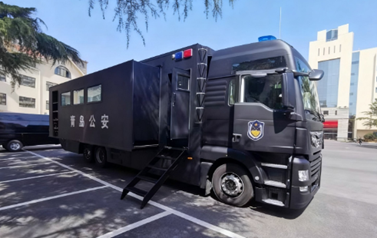
Public Security Application Examples
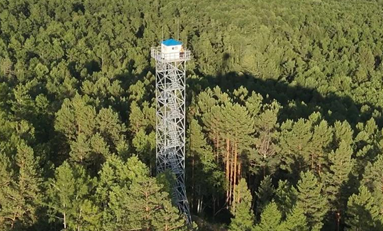
In environments such as forest parks, nature reserves, and wetlands, wireless video backhaul can be achieved with fast and flexible deployment. No cabling is required, preserving the original ecosystem.
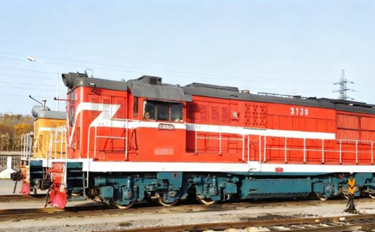
Provides network coverage in places where cabling is difficult, such as subways, ports, and tunnels, supporting surveillance and IoT device connectivity.
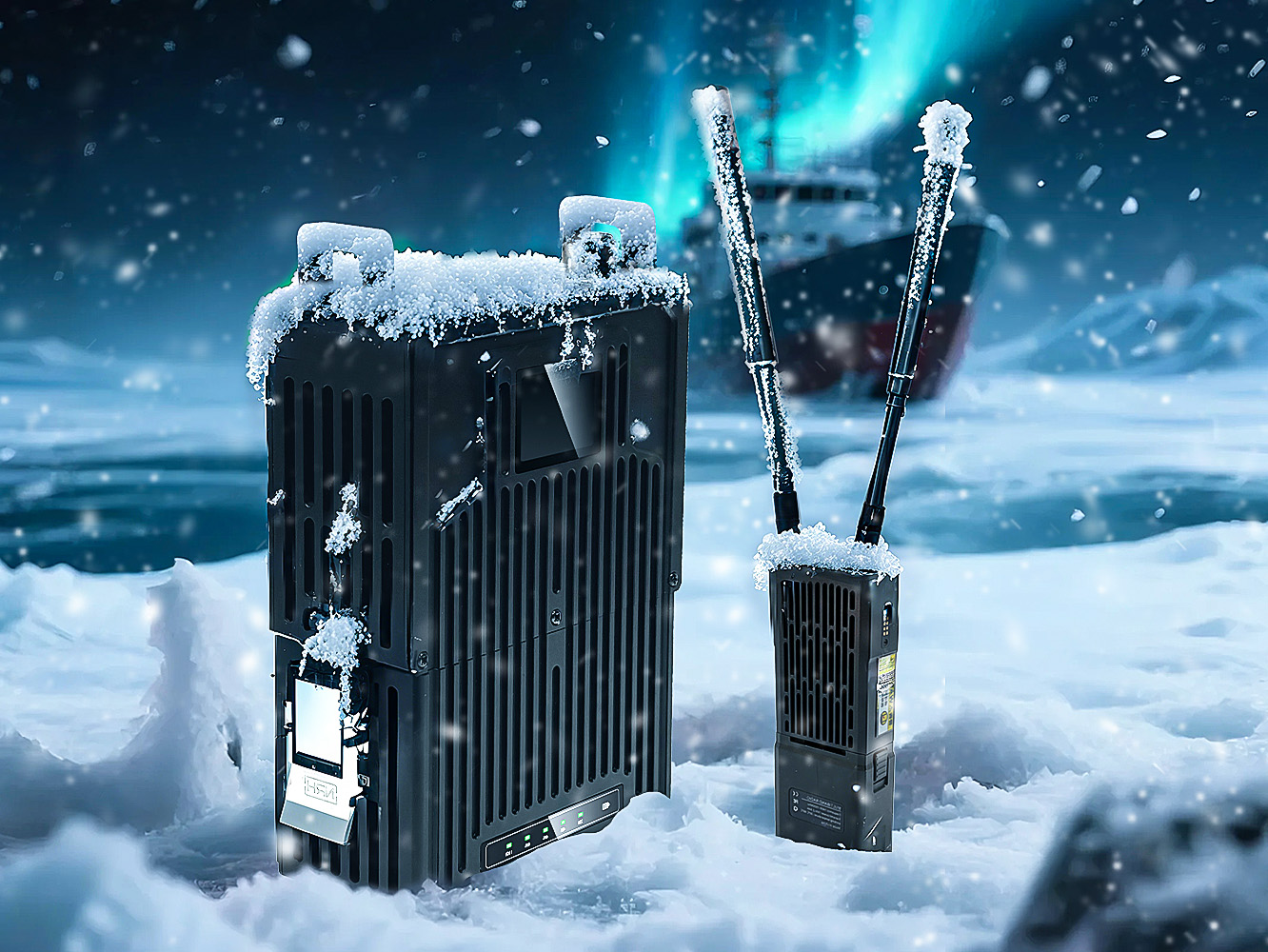
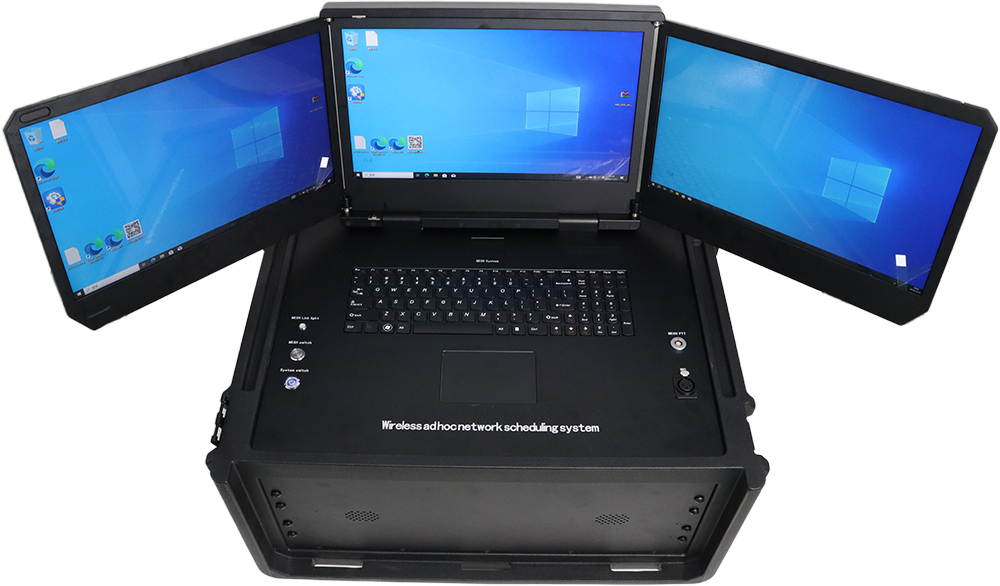
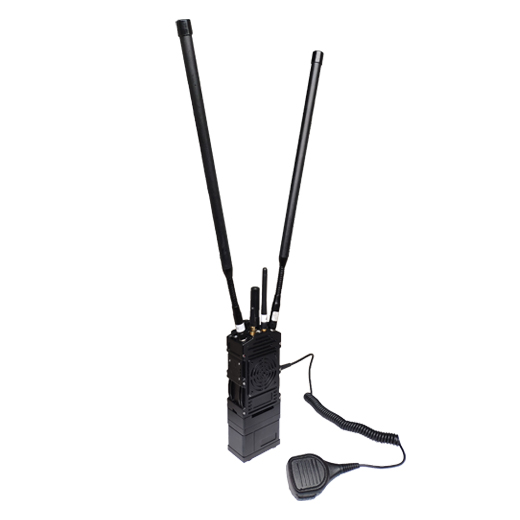
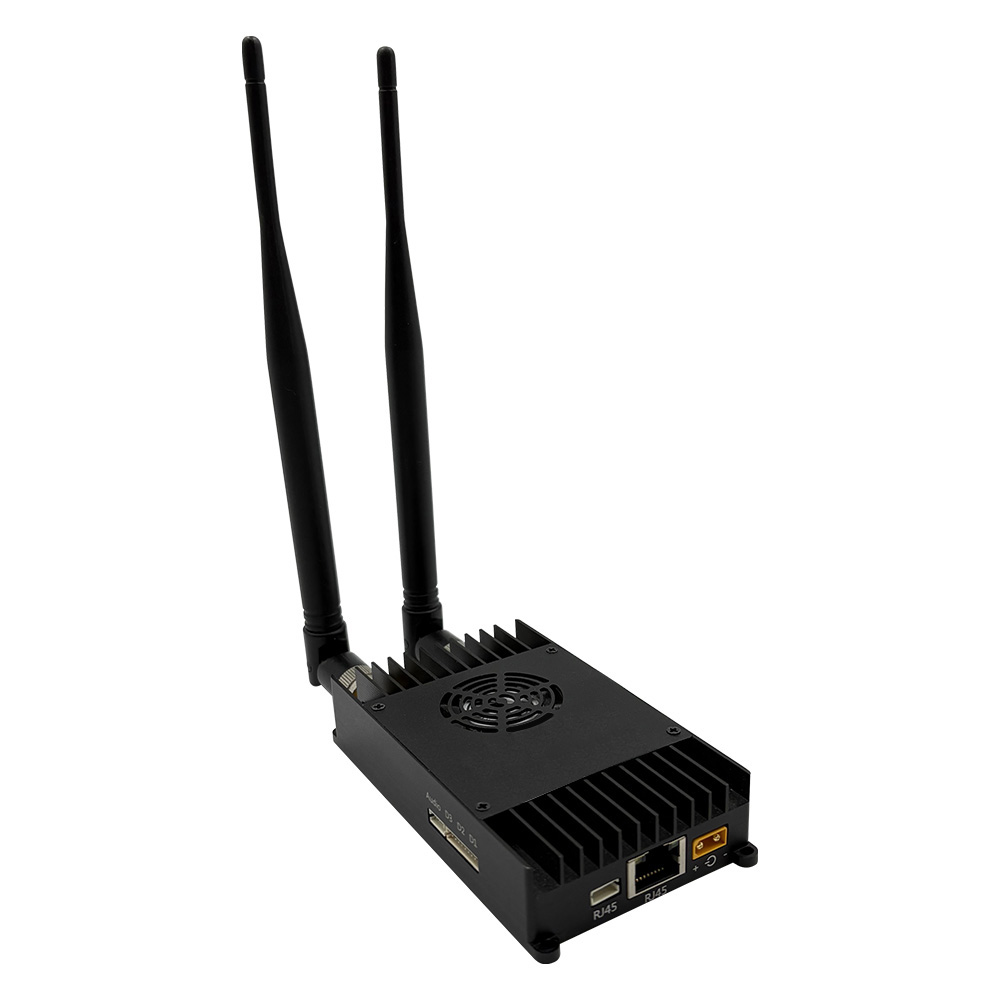
tqwifi offers a full range of wireless network bridge products, covering all scenarios from handheld terminals to vehicle-mounted, airborne, and shipborne equipment:
Military-grade application background: High reliability, strong anti-interference capability
Full-scenario product coverage: Portable devices, ad-hoc network base stations, industrial-grade equipment
One-stop technical support: Complete services from design and deployment to commissioning
Integration with 5G: Higher bandwidth and lower latency
AI routing optimization: Real-time selection of the optimal path
Massive IoT access: Smart cities, smart factories
Software-Defined Networking (SDN): Flexible management and resource scheduling
The communication wireless network bridge delivers reliable, flexible, and scalable communication solutions through a decentralized mesh network. It is widely used in enterprises, industry, emergency response, broadcasting, smart cities, and other fields. tqwifi provides a full range of equipment and technical support, making deployment simple and efficient.